
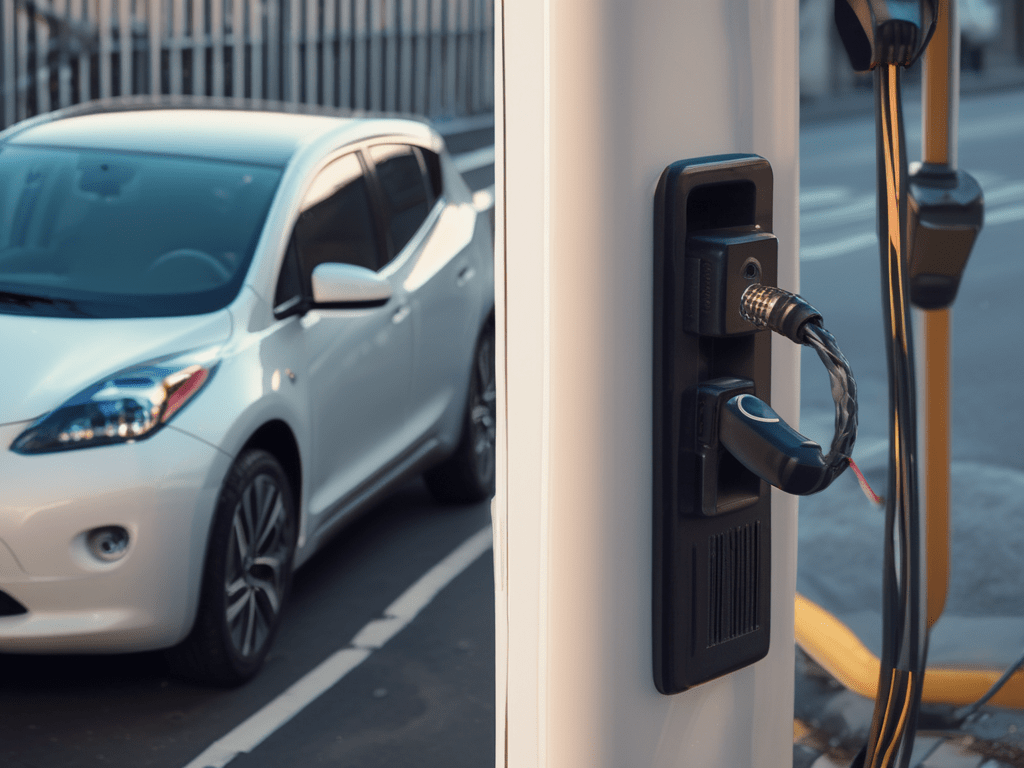
Electric vehicles (EVs) are often touted as the silver bullet for combating climate change, but a closer look reveals a more complex picture.
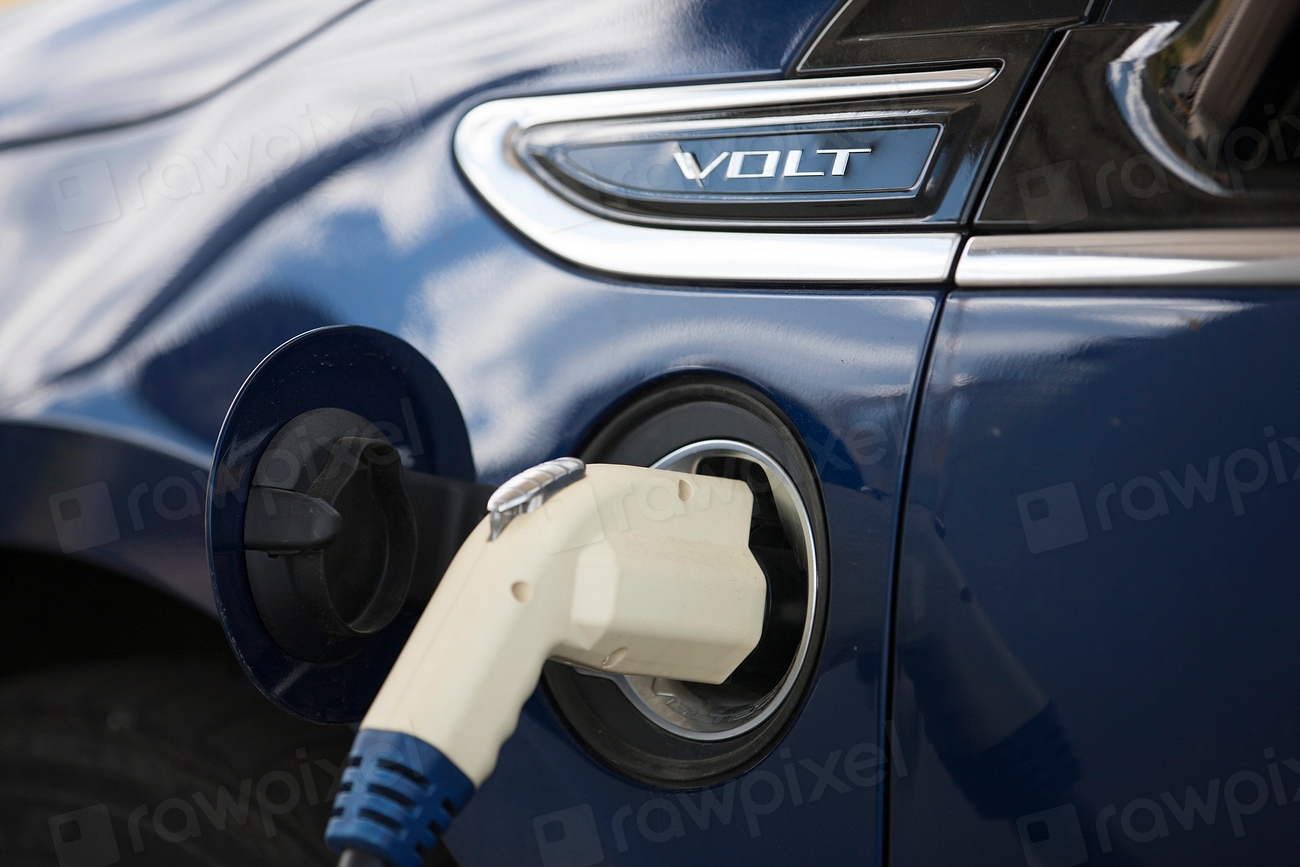
While EVs reduce tailpipe emissions, their environmental impact is far from negligible.
Let us delve into the issues linked to Electric Vehicles One-By-One:
- Lithium-ion batteries
- To manufacture a single EV battery – approximately 63 kilograms (139 pounds) of lithium is required
- Extraction and processing of lithium are water-intensive (up to 500,000 gallons of water needed to produce one ton of lithium). This problem leads to ecosystem degradation in water-scarce regions
- Carbon Emissions
- Lithium mining mining operations lead to soil contamination, and carbon emissions
- Energy-intensive processes of battery manufacturing and recycling further compound the issue, diminishing the overall carbon savings from driving Electric Vehicles (EVs)
- Resource Challenges
- Minerals like lithium and cobalt are available in limited amounts on the planet Earth. Owing to this, they are susceptible to supply disruptions and price variations thereby undermining the idea product cost optimization
While having noted the cons of Electric Vehicles, we can say with some certainty that they are a right step in the direction of decarbonization of the mobility segment.
To make a real difference in our fight to stem Climate Change, we need a multifaceted approach that includes
- Reducing overall vehicle usage
- Improving public transportation
- Diversifying sources of Energy (like wind, solar, geothermal, etc.)
The case of Electric Vehicles again highlights the important fact that the full lifecycle impact of our choices should be made and alternatives that minimize environmental degradation should be adopted to aid our fight against Climate Change
Hope this helps
Follow me for topics on Investing Geopolitics Technology and Astrology
God Bless!
 Lateral Thinking
Leave a comment