
Background
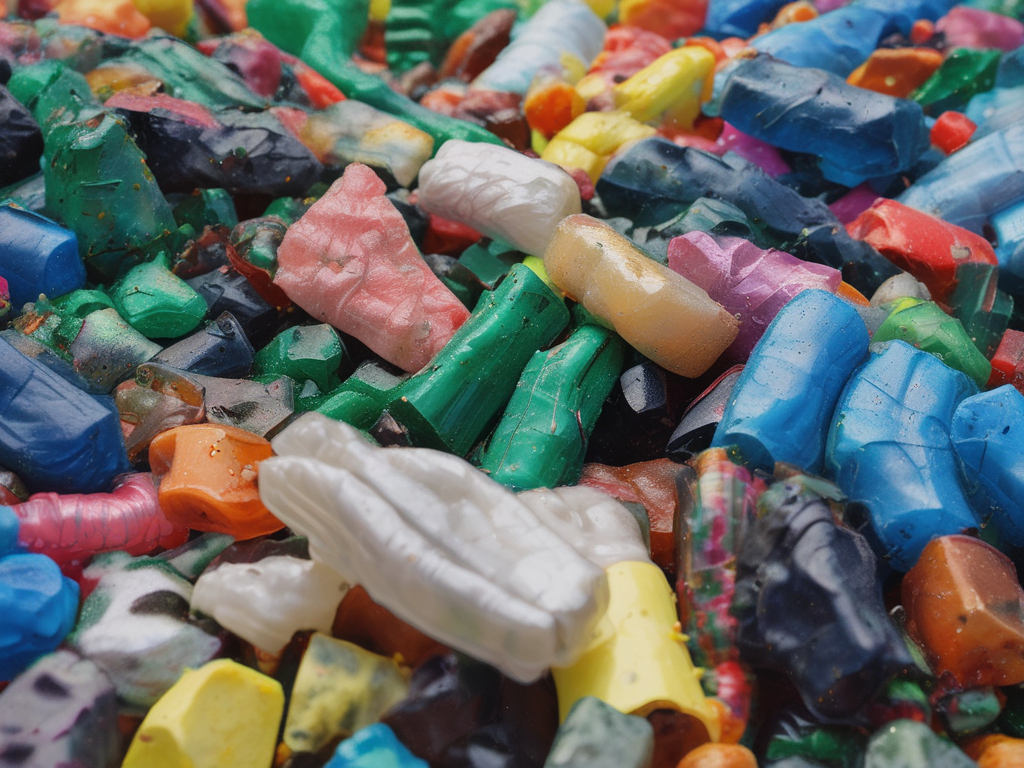
Polyethylene plastic, commonly known as PE, is a widely used synthetic polymer made from ethylene. PE is incredibly versatile, lightweight, and durable, making it a popular material for many products.
Researchers J. Paul Hogan and Robert L. Banks – found a catalyst that would transform ethylene and propylene into solid polymers. The resulting plastics — crystalline polypropylene and high-density polyethylene (HDPE) — are now the core of a multibillion-dollar, global industry.
Further Reading: Discovery of Polypropylene and High-Density Polyethylene
Use of Polyethylene in Day-To-Day Life:
Polyethylene is used in everyday items, such as milk bags, shopping bags, food containers, and plastic bottles. Its flexible yet strong nature makes it ideal for packaging and preserving food products, ensuring they remain fresh during transportation and storage.
Further Reading: Polyethylene Uses & Basics
The Crucial Need for Substitution:
Despite its utility, polyethylene poses significant environmental threats.
Over time, it breaks down into microplastics—tiny plastic particles less than 5mm. These microplastics contaminate oceans and soil, harming wildlife and entering the food chain, ultimately impacting human health.
The persistence of polyethylene in the environment exceeds hundreds of years and necessitates urgent action to find sustainable alternatives.
Further Reading: Scientific Study of Polyethylene Microplastics in ICR Mice
Current Approach for Dealing with Polyethylene – Recycling:
Recycling Polyethylene plastic can mitigate some environmental impacts.
This involves – collection(from industries, plastics manufacturers, communities, and others), and sorting after which it will go through various processes like crushing, washing, drying, and transformation.
The end product of this cycle – ground, powdered, or granulated form – is used as a secondary raw material that will be resold to plastic manufacturers
Current Approach for Dealing with Polyethylene – Downcycling:
Despite recycling sounding promising, most of the polyethylene(PE) is often downcycled. The reasons for this range from
- Lack of sorting, collection of used PE
- Lack of scalable infrastructure to Recycle
- High Cost of Raw Material Made from Recycled polyethylene(PE)
- Poor Quality of Raw Material Made from Recycled polyethylene(PE)
Accordingly, the polyethylene(PE) is downcycled into lower-quality products like
- Park benches
- Drainage pipes, and
- composite lumber
Downcycling extends the life of the material but doesn’t eliminate its environmental footprint.
By understanding the lifecycle and impact of polyethylene, we can make more informed choices and advocate for sustainable practices in our daily lives.
By developing biodegradable or more eco-friendly materials to replace polyethylene.
This understanding urges the conscious use of plastics along with business opportunities in areas linked to collection, sorting, and substitution.
Further Reading: Understanding Segregation at Source and its Role in the Circular Economy
Hope you find this read helpful
Follow me for more content on Investing, Geopolitics, Technology, Astrology and Finance.
God Bless!
 Lateral Thinking
Leave a comment