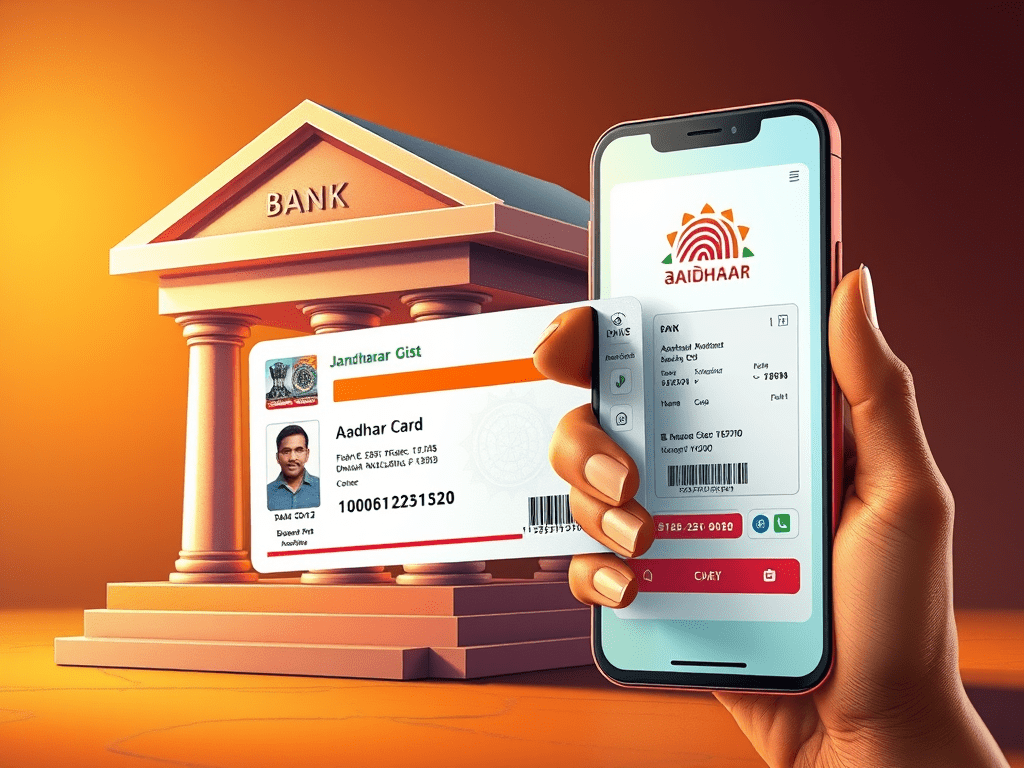
The ‘Jan Dhan-Aadhar-Mobile’ (JAM) Approach is a framework introduced by the Government of India to enable Direct benefit transfers (DBTs) and promote financial inclusion.
The ‘PM-KISAN Scheme‘ is one of the largest Direct Benefit Transfer scheme in the world which involves credit of Rs 6,000/- per year in three equal installments into the bank accounts of farmers across the country.
In order to implement DBTs that are active in India, the government leverages the integration of the following three key components:
- Jan Dhan Yojana:
- Pradhan Mantri Jan-Dhan Yojana (PMJDY) is a national mission aimed at expanding access to financial services like savings accounts, credit, insurance, and pensions even at the bottom of the pyramid
- PMJDY ensures that every household has access to at least one bank account for making transactions and payments
- PMJDY accounts are assist in receiving government subsidies and benefits directly
- PMJDY accounts are low-cost accounts with minimum charges and balance requirements
- Aadhaar:
- It is a unique biometric-based identification system for Indian residents
- It ensures accurate targeting of beneficiaries while reducing duplication and fraud in welfare schemes (especially linked to DBTs)
- It serves as an enabler for linking bank accounts and verifying identities for Indian Nationals, NRIs, and PIOs
- Mobile Connectivity:
- The widespread penetration of mobile phones along with the low-cost of usage facilitates digital transactions and communication with beneficiaries
- Mobile phones enable real-time notifications, access to financial services, and seamless communication
- Through Digital platforms – authentication, and payments can be done seamlessly
Objectives of the JAM Approach:
- Reduce Leakages: Eliminate intermediaries, minimizing corruption and pilferage in DBTs
- Improve Targeting: Aadhaar-based verification ensures that benefits reach eligible individuals only
- Enhance Efficiency: It simplifies the process of delivering subsidies, scholarships, pensions, and other welfare benefits
- Promote Digital Transactions: Encourages financial literacy and the use of mobile-based banking services
Applications of JAM Approach:
- Subsidies: Distribution of LPG subsidies, fertilizer subsidies, and food subsidies directly into the beneficiaries accounts
- Welfare Payments: Transfer of pensions, scholarships, and unemployment benefits
- Pandemic Relief: Direct cash transfers during emergencies, such as during the COVID-19 pandemic
Challenges to the JAM Approach:
- Infrastructure Gaps: Limited access to banking and internet services in remote areas leading to less inclination for adoption of digital solutions
- Digital Literacy: Many beneficiaries may lack the skills to navigate digital financial platforms like mobile banking apps, etc.
- Data Privacy Concerns: Safeguarding personal information from misuse is critical especially leakage of Aadhar information, etc.
What has the Impact of JAM Approach since Inception:
The JAM approach has been pivotal in transforming India’s subsidy distribution and social welfare systems. It is widely regarded as a model for leveraging technology to enhance governance and empower citizens.
The JAM approach has been appreciated by international multi-lateral bodies and is looked as a model for implementation in South America and Africa to get targeted benefits.
Hope you find this read helpful
Follow me for more content on Investing, Geopolitics, Technology, Astrology and Finance.
God Bless!
 Lateral Thinking