
Definition:
Building-Integrated Photovoltaics (BIPV) refers to photovoltaic materials seamlessly incorporated into a building’s structure, such as roofs, façades, windows, or skylights, to generate renewable energy.
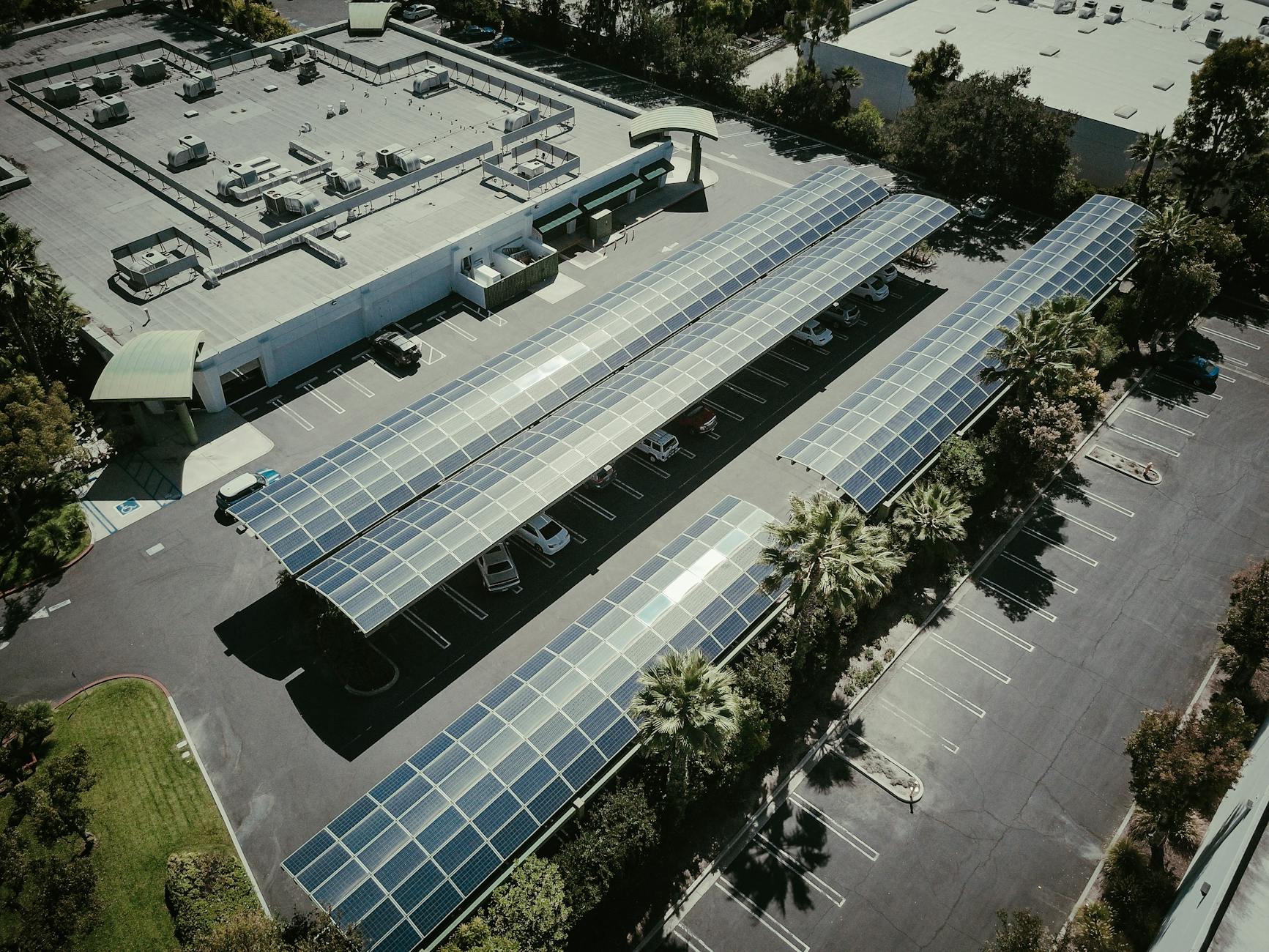
Unlike traditional solar panels, BIPV serves dual purposes:
- Replacing conventional building materials (like Glass etc.)
- Producing electricity for consumption while lowering the utility bills
Origins:
The concept of BIPV emerged in the 1970s alongside the energy crisis, as architects and scientists sought solutions to reduce dependence on fossil fuels. Over the years, advancements in solar technology and the push for sustainable architecture have brought BIPV to the forefront.
Further Reading(if interested)
How does BIPV Help Fight Climate Change?
- Helps in combating climate change by reducing the building’s carbon footprint
- Leads to energy-efficient cities
- Lowers reliance on non-renewable energy sources, reducing greenhouse gas emissions and promoting cleaner energy consumption
What lies ahead for BIPV?
The growing adoption of BIPV in city development is driven by the need for sustainable urbanization and strict environmental regulations. With cities striving to meet net-zero goals, BIPV offers a practical solution to integrate renewable energy without compromising aesthetics or space. It also reduces energy costs and enhances building value, making it a desirable choice for developers and governments alike.
BIPV represents a step toward smarter, greener cities, aligning energy generation with sustainable construction practices to address the challenges of climate change.
Hope you find this post helpful
You can read other helpful articles:
- Understanding Segregation at Source and its Role in the Circular Economy
- Exploring E-Waste and the Waste-to-Value Concept
- Understanding Batteries: The Backbone of Clean Tech
- Exploring Biogas: A Sustainable Energy Solution
- Understanding Ethanol & Blending
- Ethanol Blending in Gasoline: Challenges and Implications
- Challenges for Green-Hydrogen based Transportation
Follow my blog for more content on Investing, Geopolitics, Technology, Astrology and Finance.
God Bless!
 Lateral Thinking