

As India steps into the new financial year starting April 1, 2025, several challenges—both internal and external—could impact economic growth, inflation, and the effectiveness of fiscal measures such as tax cuts.
As a stock market investor, it will be helpful for you to know the triggers (positive or negative) and accordingly respond to the threat or the opportunity.
Below is an overview of key risks that policymakers, businesses, and investors should watch closely.
Internal Challenges
1. Inflationary Pressures
Despite efforts to maintain price stability, inflation remains a key concern due to rising input costs, supply chain disruptions, and fluctuating food prices. The effectiveness of RBI’s monetary policy will be crucial in containing inflation while supporting economic growth.
The crucial week to watch out will be April 1st to April 10th, 2025.
2. Fiscal Deficit and Public Debt
India’s fiscal deficit continues to be a challenge as the government balances spending on infrastructure, welfare programs, and defense.
Higher borrowing requirements may put pressure on interest rates and limit the scope for additional economic stimulus in the case of a high-pitch tariff war scenario.
3. Unemployment and Job Creation
While India’s economy has seen robust growth, employment generation remains uneven. Skill mismatch is compounding the issue further.
Sectors such as manufacturing and services need sustained policy support like Product-Linked Incentive Scheme to create jobs, particularly for the youth entering the workforce.
4. Financial Sector Stability
The banking and NBFC sectors have improved in recent years, but concerns over non-performing assets (NPAs) persist. Effective credit flow to MSMEs and large industries will be necessary to sustain economic momentum.
Recent issues linked to personal loans turning into NPA and unaccounted loss in IndusInd Bank underline the active intervention by Reserve Bank of India to stabilize the Financial Sector.
5. Infrastructure Bottlenecks
While the government has accelerated infrastructure spending, challenges in land acquisition, regulatory approvals, and private sector participation continue to slow down key projects.
Also, The Union Budget for FY26 has set capital expenditure (capex) at Rs. 11,21,000 crore (US$ 128.60 billion), reflecting a 10% increase over the revised estimate of Rs. 10,18,000 crore (US$ 116.78 billion) for FY25 – this though is a rise by less than 1% overall. (Link)
External Challenges
1. Global Economic Slowdown
Sluggish global demand – particularly in the US, EU, and China – could impact India’s exports. Sectors such as IT services, pharmaceuticals, and textiles may face headwinds if global growth falters.
2. Geopolitical Uncertainty
Tensions in global trade, particularly in the Middle East and Indo-Pacific, can impact crude oil prices and supply chains. Any disruptions in these regions could lead to higher import costs and trade imbalances.
A demo of this in the last 5 years has been: Ukraine-Russia War, Israel-Hamas Conflict, Israel-Iran Clash, Houthi Shadow over the Red Sea Shipping Routes
3. Rising Energy Prices
India remains heavily dependent on oil imports, making it vulnerable to fluctuations in crude oil prices. A sustained rise in global energy prices can increase inflation and widen the current account deficit.
4. Climate Change and Weather Patterns
Erratic monsoons, heatwaves, and other climate-related disruptions can affect agricultural productivity, leading to food inflation and rural distress.
Global warming and uneven demand globally will impact sowing and crop patterns.
5. Currency Volatility and Capital Flows
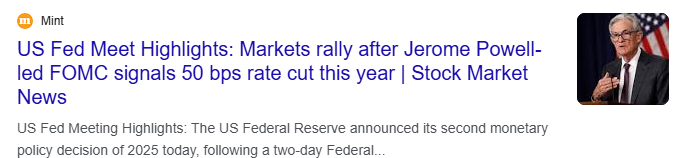
A stronger US dollar or aggressive monetary tightening by the US Federal Reserve can lead to capital outflows from India – impacting the rupee and making external borrowing costlier.
Policy Measures to Counteract Challenges
To mitigate these risks, the Indian government and RBI may need to:
- Ensure effective implementation of supply-side reforms to curb inflation (using Food Corporation of India to Intervene Effectively)
- Prioritize fiscal discipline while maintaining targeted welfare spending (no freebies)
- Boost job creation through investments in manufacturing, digital economy, and startups (introduce more fund of fund schemes and grants to support ventures in the hardware and medtech space)
- Strengthen financial sector regulations to support sustainable lending (credit worthiness assessed with ways other than Credit Score should be the basis for loan availing)
- Enhance global trade partnerships to diversify export markets (conclude Free Trade Agreements with UK, France, Rest of Europe, Middle East and Australia)
Conclusion
While India is poised for continued growth in FY 2025-26, multiple headwinds could challenge economic stability. A proactive policy approach, along with strong execution of structural reforms, will be critical in ensuring sustained progress despite uncertainties in the global and domestic landscape.
As an investor in the Stock Market, we need to look out for developments in the above listed areas and accordingly decide to allocate more or less money.
Happy Investing!!
 Lateral Thinking
Well Explained Sir
God bless 💫😇
LikeLiked by 1 person