For most businesses today, offsetting carbon is not just about doing good—it is about doing it right.
Despite this, even well-intentioned companies often struggle with the lack of transparency and trust in carbon markets. Credits can be double-counted, projects may be over-promised, and verification can be slow.
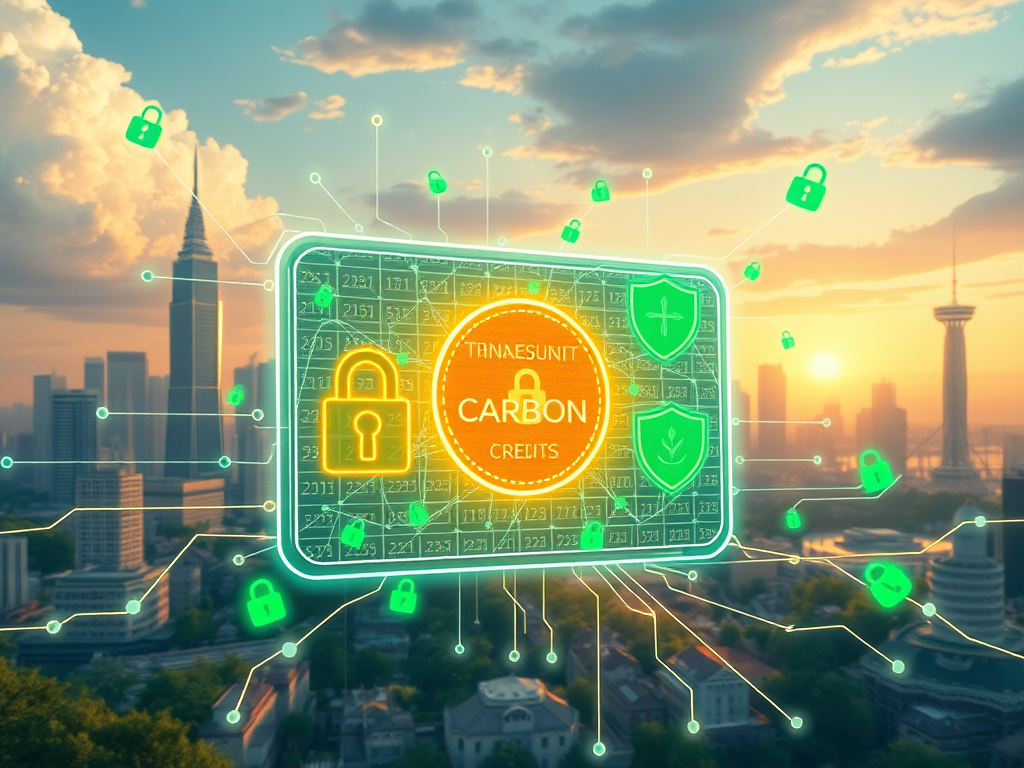
To overcome this issue, it seems blockchain may be the technology that can help to fix this credibility gap.
So what works in Blockchain’s favour?
Blockchain’s immutable and transparent ledger allows every carbon credit—its origin, ownership, and retirement—to be verified in real time. This visibility ensures businesses can trace the true impact of their offsets and confidently report sustainability outcomes. (Earth.org)
Through smart contracts, blockchain can also automate approvals, transactions, and retirements.
That means fewer intermediaries, reduced paperwork, and faster processing—benefits that are especially important for companies integrating offsets into their larger ESG strategies. (MDPI, 2022)
This will enable inclusive participation. By lowering transaction costs and barriers, blockchain platforms can allow smaller community-based and renewable projects to access global carbon markets—helping businesses invest in local impact while meeting international compliance standards. (MDPI, 2023)
Having said that, despite the positives, blockchain is also fallible.
Energy usage, Governance, and Interoperability remain challenges, but with newer, energy-efficient blockchain models and stronger standards emerging, the path looks promising.
For businesses, blockchain is not just a buzzword, but a chance to make climate commitments measurable, traceable, and trustworthy.
 Lateral Thinking
Leave a comment