Introduction
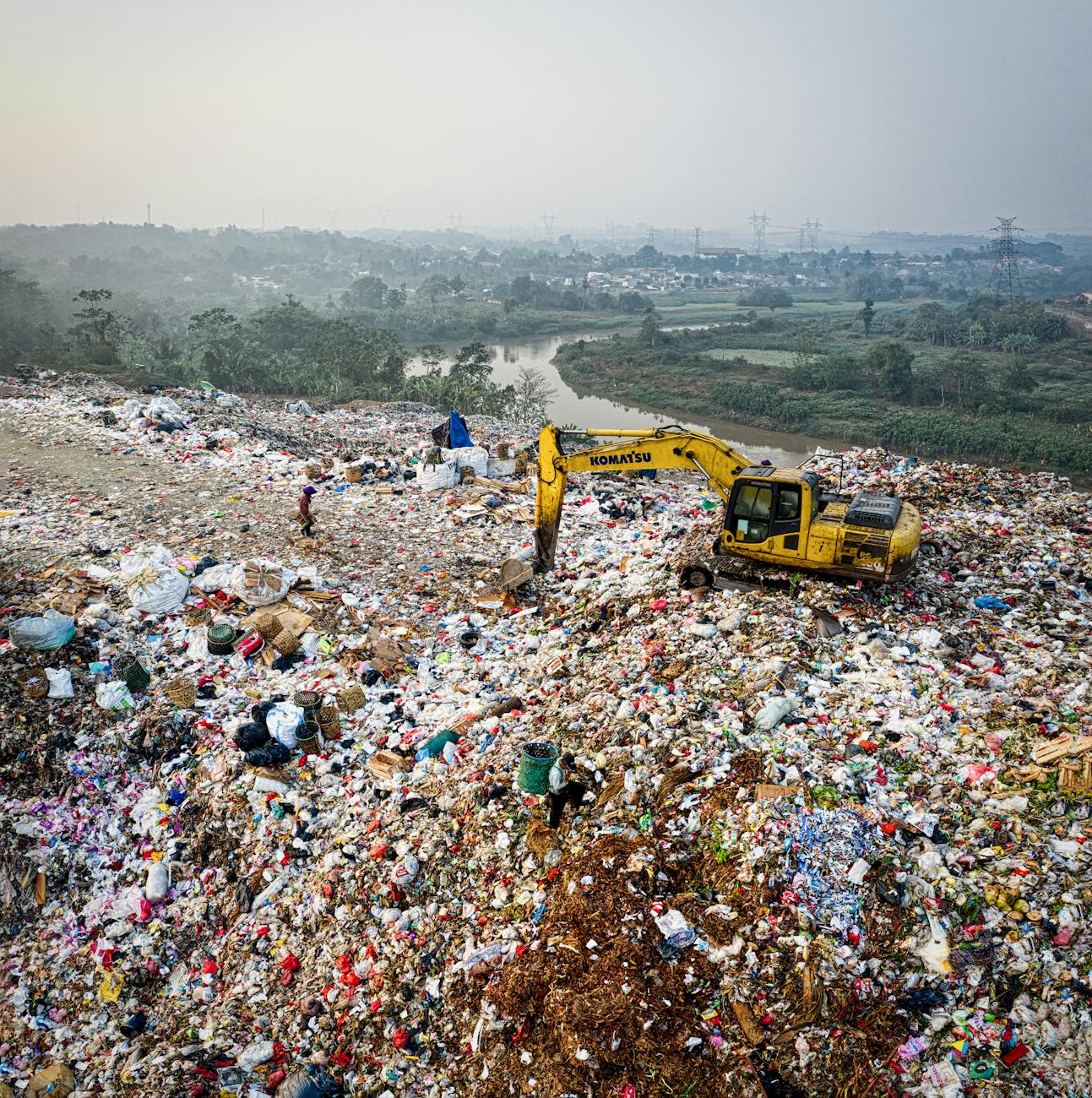
In the context of Waste-to-Energy (WtE) within sustainable waste management, both pyrolysis and gasification are advanced thermal conversion technologies that transform waste into usable energy. Unlike traditional incineration, which combusts waste fully in air to produce heat and power, these processes operate with little or no oxygen to recover valuable energy streams while reducing waste volume.
Description
Pyrolysis is a thermochemical process that heats organic waste in the absence (or near-absence) of oxygen, breaking complex materials into simpler compounds. The products typically include a mixture of gases, liquids (bio-oil/tar), and solid residues (char or carbon black).
These outputs can be used in various ways:
- Gases for heat or power
- Bio-oil can be refined into fuels or chemicals, and
- Char can potentially be utilised as a soil amendment or carbon sequestration material
In contrast, gasification occurs at higher temperatures with a controlled, limited amount of oxygen or steam. Rather than producing a broad mix of products, it converts the waste feedstock mainly into a synthesis gas (syngas), a combustible mixture of carbon monoxide (CO), hydrogen (H₂), and carbon dioxide (CO₂).
This syngas can be cleaned and used more efficiently for electricity generation, heat, or as a chemical feedstock in fuels and industrial processes.
Key Differences
A practical difference between the two is that gasification often includes a pyrolysis step as part of its sequence: initial heating without oxygen breaks down the material, followed by partial oxidation to raise the temperature and shift reactions toward syngas production.
- Oxygen requirement: Pyrolysis needs no oxygen, while gasification uses limited oxygen/steam
- Products: Pyrolysis yields multiple products (char, oil, gas), while gasification focuses on syngas
- Energy use and complexity: Gasification generally achieves higher energy output and cleaner gas, but requires tighter operational control and higher temperatures
Conclusion
Both technologies support the Waste-to-Energy objectives by reducing landfill pressure and generating energy, fitting into the broader strategy of sustainable waste management and renewable energy generation.
 Lateral Thinking
Leave a comment