Introduction
Waste-to-Energy (WtE) is the process of converting waste that cannot be recycled into usable energy such as electricity, heat, or fuels. With rapid urbanisation, rising consumption, and shrinking landfill space, cities and industries are under pressure to manage waste more responsibly.
WtE has emerged as a practical option that addresses waste disposal while recovering value from materials that would otherwise be lost.
Description
Waste-to-energy(WtE) encompasses a range of technologies tailored to various waste streams, such as:
- For organic waste, processes such as anaerobic digestion and biomethanation convert food waste, agricultural residue, and sewage sludge into biogas or bio-CNG
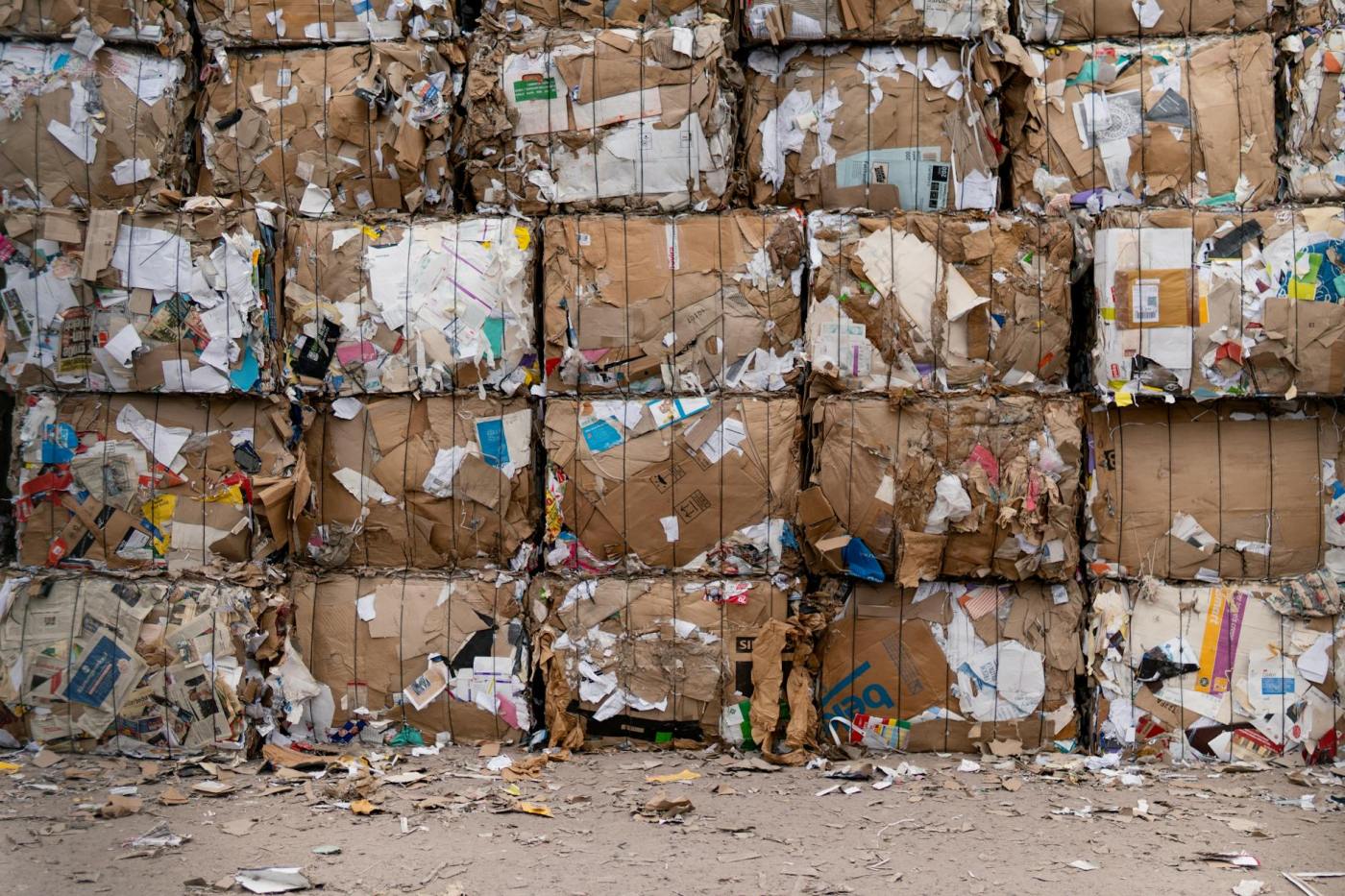
- For non-recyclable dry waste, controlled incineration with energy recovery is commonly used to generate power or heat
The intent of WtE is not to replace recycling or composting, but to handle residual waste that has limited reuse value. When implemented correctly, WtE reduces the volume of waste going to landfills, lowers methane emissions from open dumping, and provides a steady source of energy.
How it is used currently (financial and economic sense)
In practice, WtE projects work best in locations with consistent waste supply and reliable energy demand.
Rather than energy sales alone, Financial viability depends on multiple revenue streams, such as:
- Tipping fees paid for waste processing
- Long-term power purchase agreements or gas off-take contracts, and
- Savings from avoided landfill and transportation costs
In some regions, policy support in the form of feed-in tariffs, carbon credits, or viability gap funding improves project economics.
From an economic perspective, WtE creates local employment, reduces dependence on fossil fuels, and helps municipalities stabilise waste management costs over time. Scale and operational efficiency are critical, as smaller, fragmented waste volumes often struggle to justify capital-intensive WtE infrastructure.
Conclusion
Waste-to-Energy is most effective when viewed as part of an integrated waste management system rather than a standalone solution. When matched to the right waste type, scale, and policy environment, it can deliver both environmental benefits and financial sustainability, contributing to cleaner cities and more resilient energy systems.
 Lateral Thinking
Leave a comment