
Introduction
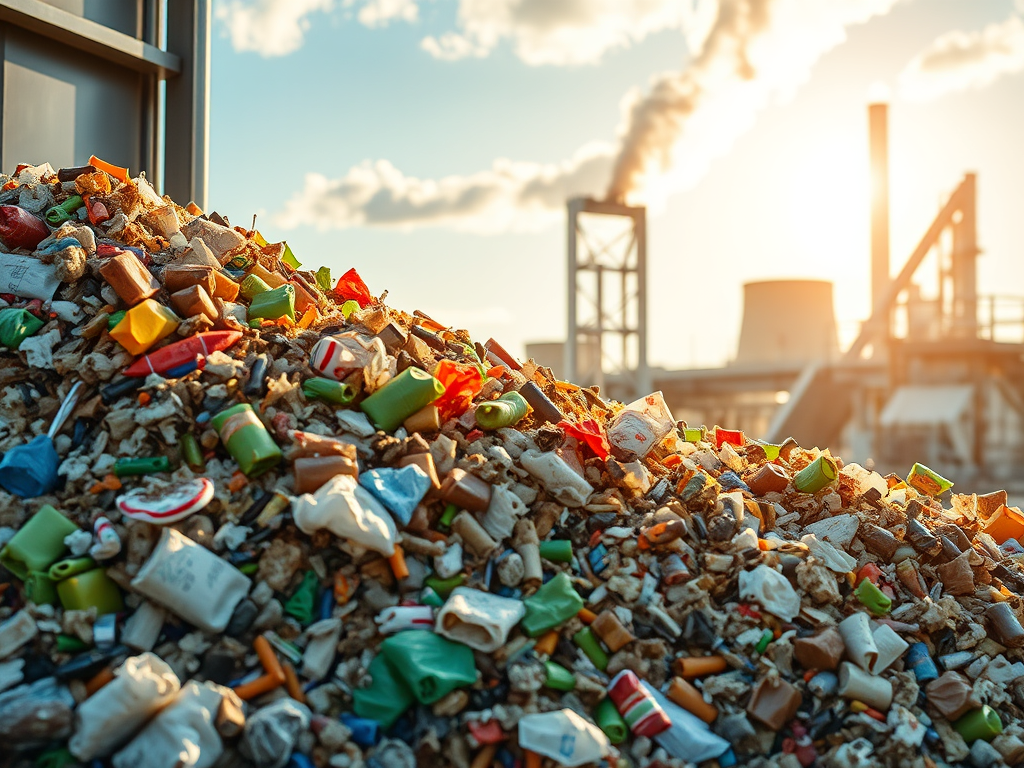
We have all seen those overflowing bins and massive landfills.
One of the best things that we miss is that “unrecyclable” junk is actually a secret stash of energy just waiting to be tapped.
Enter in this focus – Refuse Derived Fuel (RDF).
What is RDF?
RDF is a fuel made from the stuff that usually gets rejected by standard recycling bins.
This stuff is made up of
- Non-recyclable plastics
- Scraps of paper
- Wood, and certain textiles
How Do We Make It?
Turning a bag of mixed trash into a clean-burning fuel is not just about throwing it into a furnace.
The process flows as follows:
- Sorting: We pull out the stuff that does not burn or can be recycled elsewhere, like glass and metal. Large magnets and “air sifters” (basically giant fans) do the heavy lifting here
- Shredding: The remaining combustible waste is chopped up into small, uniform pieces
- Drying: Wet trash does not burn well. The moisture is removed to make the fuel more efficient
- Pelletizing: Finally, the dry fluff is compressed into hard pellets or bricks. These are easy to transport and store, looking a lot like the pellets you might use in a backyard smoker
Why Does RDF Matter?
RDF brings some amazing benefits to the table:
- Saving Space: It keeps massive amounts of waste out of landfills
- Cutting Carbon: When used in places like cement kilns or power plants, RDF replaces traditional fossil fuels like coal. This helps lower the overall carbon footprint of big industries
- Energy Security: It turns local waste into a local energy source, making us less dependent on imported fuels
Where is RDF Utilized?
RDF is mostly used in heavy industries like
- Cement Kilns: RDF is a perfect, cost-effective partner for them
- Power Plants: RDF is burnt to create steam, which then spins turbines to generate electricity
- Industrial Boilers: RDF is used to keep Industrial Boiler operations running
The Bottom Line:
RDF is not a “magic wand” that solves the entire waste crisis, but it is a good way to make sure we get every bit of value out of the things we throw away.
 Lateral Thinking
Leave a comment