
Introduction
The Offer for Sale (OFS) route is a mechanism used by promoters, often the government in public sector companies, to sell their stake in a listed company through the stock exchange platform. Introduced by the Securities and Exchange Board of India, OFS enables a transparent, time-bound sale in which institutional and retail investors can bid for shares, typically at a discount to the market price.
When is it chosen?
OFS is usually chosen when the seller wants a quick, market-linked divestment without engaging in lengthy negotiations with a strategic buyer. It works best for companies that are already listed, have sufficient liquidity, and where the objective is partial stake dilution rather than a complete transfer of control.
Why does this matter in the case of IDBI?
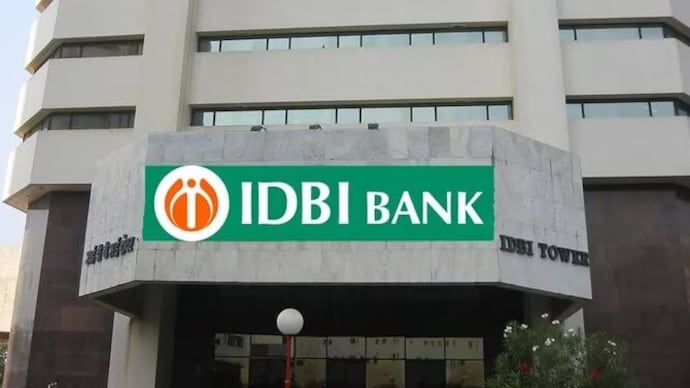
In the case of IDBI Bank, the Government of India, along with Life Insurance Corporation of India, has been looking to reduce its stake. Owing to this, the focus has been on a strategic sale, in which a buyer acquires both equity and management control.
IDBI Bank, having gone through asset quality stress and restructuring in the past, requires not just capital but institutional transformation.
After a failed attempt to get the requisite valuation for the strategic sale owing to the low public float (~5%) of the stocks, the government is trying to increase this through the OFS Route. This is despite the understanding that OFS is not always the preferred route, especially in strategic disinvestment.
What to expect next?
The government will utilize OFS as a tool for stake dilution with IDBI’s disinvestment goal in mind. When extra shares hit the market, there will be proper price discovery and correction in valuation linked to the bank. This can then open doors for the next iteration of strategic disinvestment linked to IDBI Bank
 Lateral Thinking
Leave a comment