Introduction
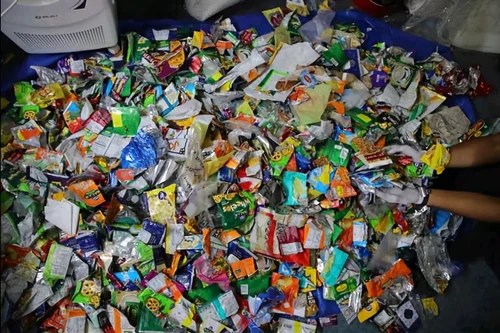
If you have ever opened a packet of chips or biscuits, you have already interacted with one of the most difficult types of plastic to manage – MLP plastic. It is everywhere in our daily lives, yet rarely discussed, especially when it comes to waste management and recycling challenges.
What is MLP Plastic?
MLP stands for Multi-Layered Plastic. As the name suggests, it is made by combining multiple layers of different materials, typically plastic, aluminium, and sometimes paper. These layers are fused together to create a single packaging material that looks and feels like plastic but is far more complex.
How is it made?
MLP is manufactured by layering materials with specific properties. For example:
- Plastic layers provide strength and flexibility
- Aluminium acts as a barrier against light, oxygen, and moisture
- Adhesives bind these layers together
This combination ensures that the contents inside remain fresh and protected for longer periods.
Why is it used?
MLP is widely used because it is cost-effective, lightweight, and highly protective. It extends the shelf life of food products and reduces spoilage, making it ideal for snacks, instant foods, and sachets (shampoo, ketchup, etc.). For companies, it also reduces transportation costs due to its low weight.
What are the Current Challenges with recycling?
The biggest issue with MLP is that its layers are difficult to separate. Unlike single-type plastics, MLP cannot be easily melted and reused.
Recycling often requires:
- Complex processes involving heat, chemicals, or mechanical separation
- High energy consumption
- Strict cleanliness standards (contaminated waste reduces efficiency)
In many cases, the cost of recycling MLP is higher than producing new plastic. As a result, most MLP waste ends up in landfills, incinerators, or is downcycled into low-value products like road fillers or fuel substitutes.
Conclusion
MLP plastic solves a critical problem – ‘product preservation’, but creates another – waste management. The challenge ahead lies in balancing convenience with sustainability by improving recycling technologies and encouraging better material alternatives.
 Lateral Thinking
Leave a comment