
Introduction
Liquefied Natural Gas (LNG) is an important energy source in today’s world, especially for countries like India that rely on imports to meet growing energy demand. It helps bridge the gap between cleaner energy goals and current fuel needs.
What is it?
LNG is natural gas (mainly methane) that has been cooled to about -162°C, turning it into a liquid. This reduces its volume by nearly 600 times, making it easier to store and transport.
How is it obtained?
LNG is produced from natural gas extracted from underground reserves. The gas is first purified to remove impurities like water, carbon dioxide, and sulfur. It is then cooled in stages until it becomes liquid.
How is it transported?
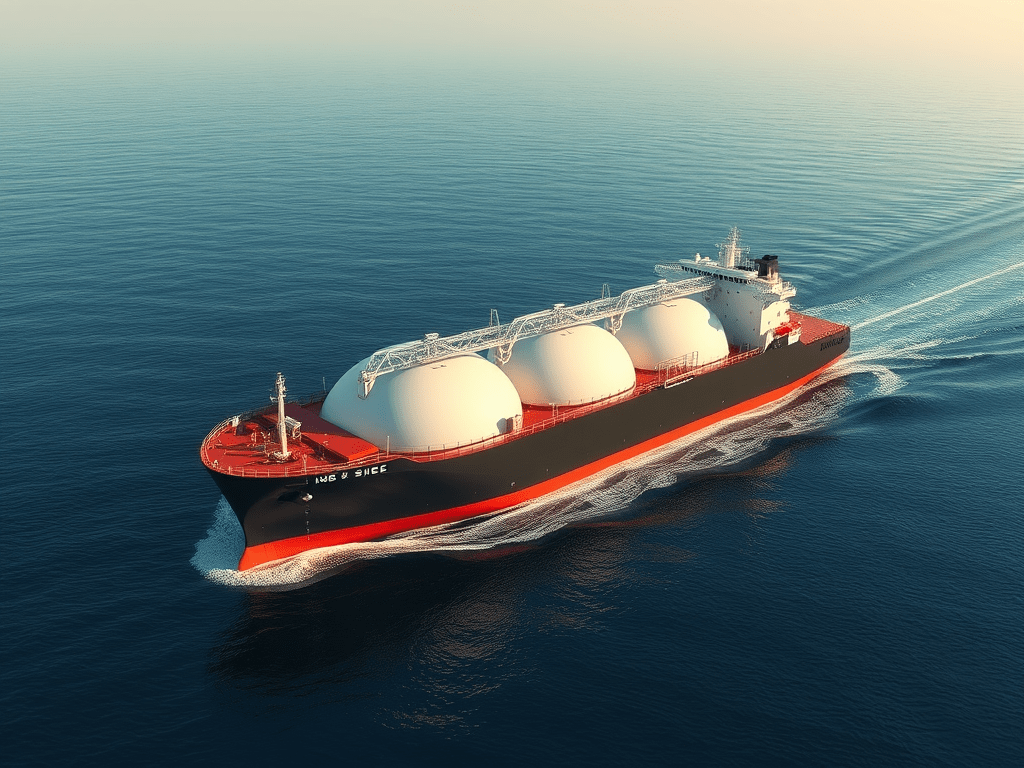
LNG is transported using specially designed ships called LNG carriers. These ships have insulated tanks to keep the gas in liquid form.
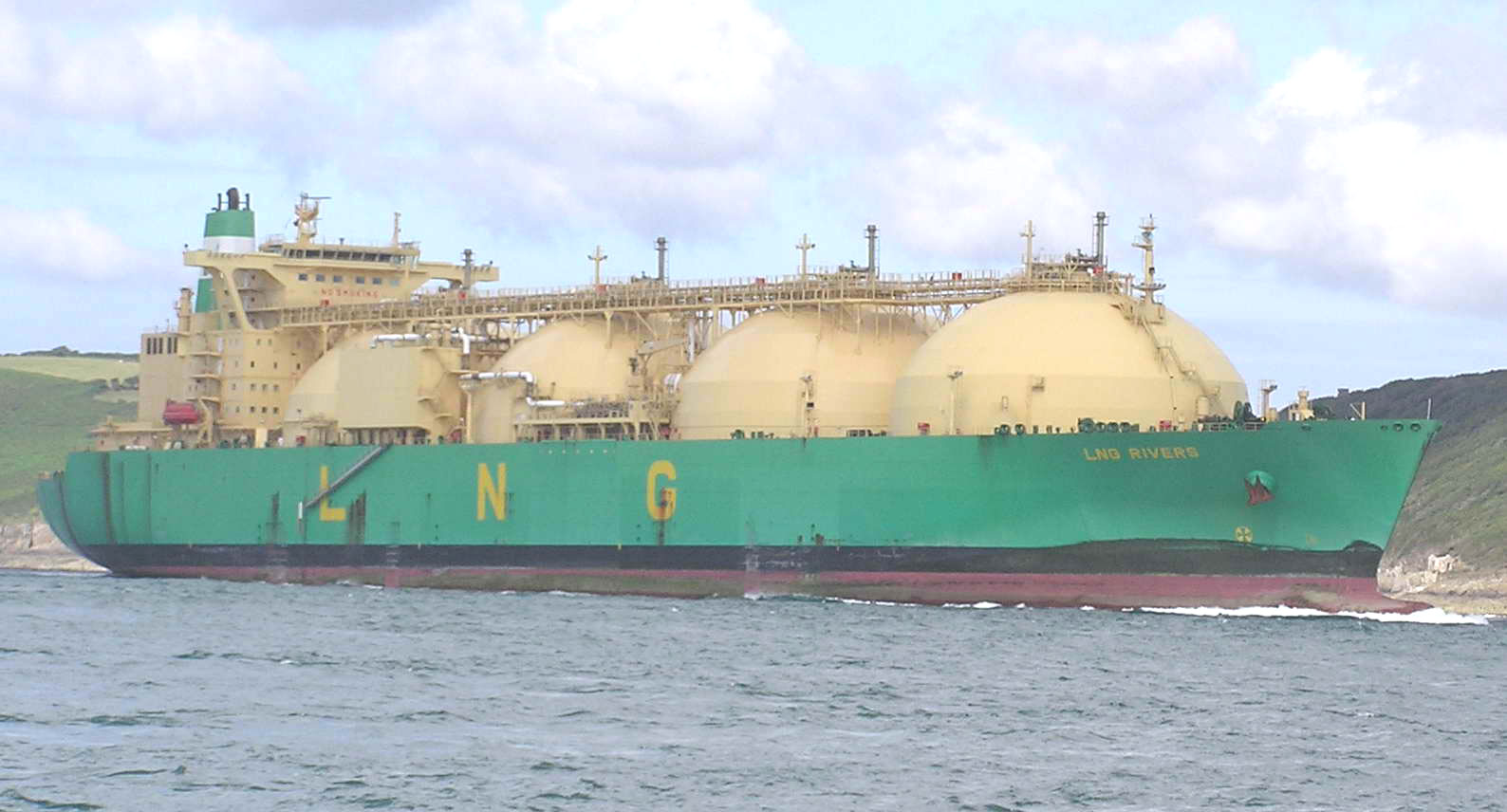
Once it reaches the destination, LNG is converted back into gas (regasified) and supplied through pipelines.
Why is it used?
- Cleaner than coal and oil (lower emissions)
- Flexible transport across countries without pipelines
- Widely used in power generation, industries, and cooking gas
- Supports energy security for importing nations
What are the challenges?
- High infrastructure costs (liquefaction plants, terminals)
- Energy-intensive cooling process
- Safety risks during storage and transport (cryogenic conditions)
- Price volatility due to global demand and geopolitics
- Methane leakage concerns (a strong greenhouse gas)
Impact of the Iran War
The ongoing Iran conflict has impacted the LNG market in multiple ways:
- Key supply routes like the Strait of Hormuz (a major LNG transit route) face disruption risks
- Supply uncertainty leads to global price spikes
- Import-dependent countries like India face higher costs and supply insecurity
- Industries relying on LNG may see reduced availability or higher input costs
Overall, LNG, often considered a reliable transition fuel, is increasingly exposed to geopolitical risks.
 Lateral Thinking
Leave a comment