Introduction
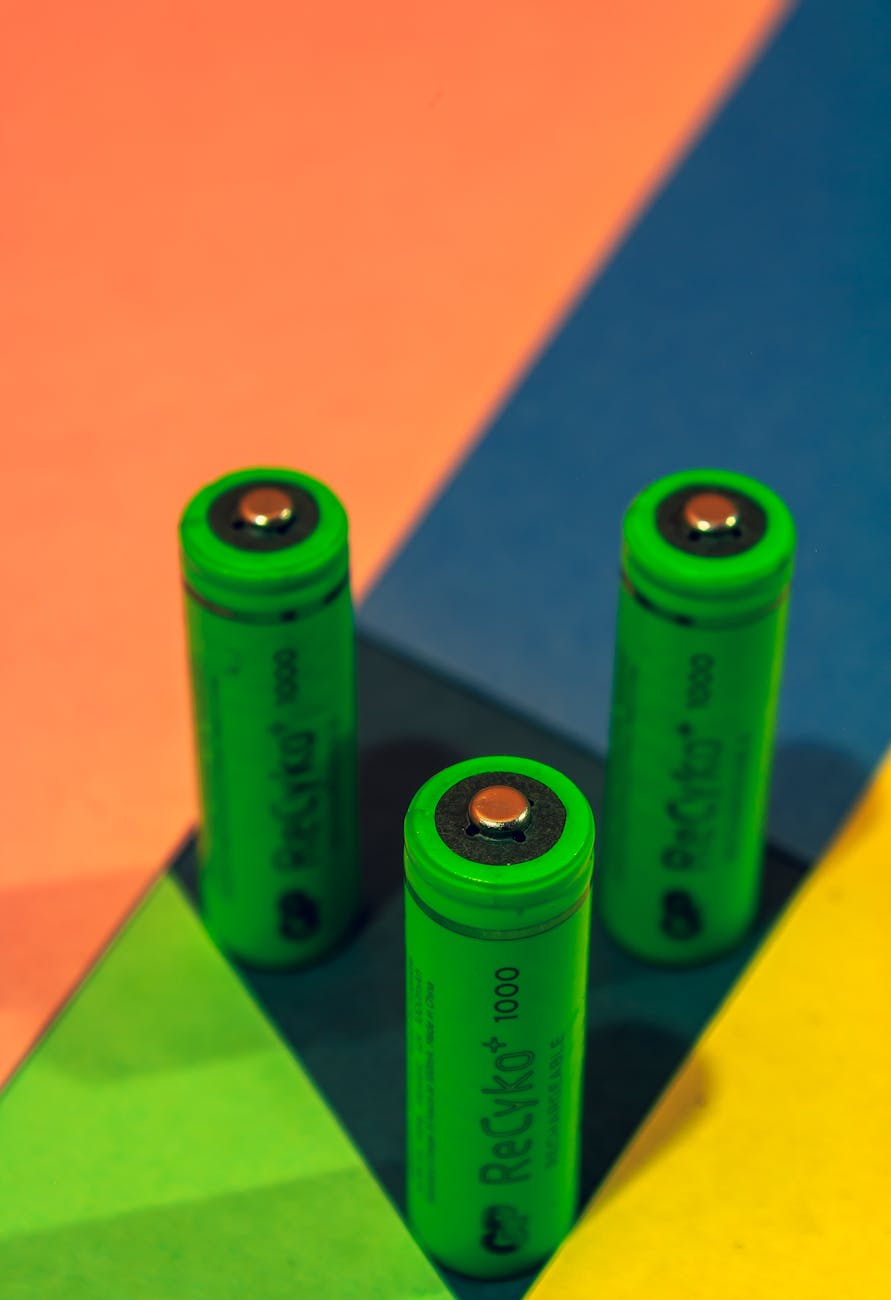
For years, the electric vehicle (EV) revolution has been powered by lithium-ion batteries. But a new contender is quietly gaining momentum, sodium-ion batteries.
Chinese automakers and battery manufacturers are now accelerating efforts to commercialize this technology, and it could significantly reshape how we think about EV affordability and scalability.
What Are Sodium-Ion Batteries?
Sodium-ion batteries work on a principle similar to lithium-ion batteries but replace lithium with sodium, a far more abundant and widely available element.
This simple substitution has massive implications:
- Sodium is cheaper and easier to source
- It reduces dependency on geopolitically sensitive materials
- It opens up new supply chains that are less constrained
- In short, sodium-ion batteries are not just an alternative, they are a strategic shift in battery economics
Why Are Chinese Companies Betting Big on It?
China has been leading the EV and battery race, and sodium-ion technology fits perfectly into its long-term strategy.
Here’s why:
1) Cost Advantage
- Lithium prices have been volatile, impacting EV affordability
- Sodium, on the other hand, is low-cost and stable, making it ideal for mass-market vehicles
2) Resource Independence
- Unlike lithium, which is concentrated in specific regions, sodium is globally abundant, reducing supply chain risks
3) Faster Commercialization for Entry-Level EVs
- Sodium-ion batteries may not yet match lithium-ion in energy density, but they are good enough for shorter-range, urban vehicles, a massive segment in countries like India and China
The Trade-Off: Performance vs Practicality
Sodium-ion batteries come with limitations:
- Lower energy density (less range compared to lithium-ion)
- Still evolving in terms of lifecycle and efficiency
As such they do not need to replace lithium-ion but rather they can complement it.
For many use cases, like city commuting, fleet vehicles, and two/three-wheelers, range is not the primary concern. Cost is.
Where Sodium-Ion Could Win Big
This technology is particularly suited for:
- Affordable EVs for emerging markets
- Commercial fleets where cost optimization matters more than range
- Energy storage systems for renewable energy
In these segments, sodium-ion batteries could unlock faster adoption at scale.
A Strategic Shift, Not Just a Technological One
What makes sodium-ion batteries exciting is not just the chemistry, it’s the strategic flexibility they offer:
- Automakers can diversify battery sourcing
- Governments can reduce import dependencies
- Consumers can access cheaper EV options
This aligns with a broader trend: The EV transition is moving from premium innovation to mass adoption.
What This Means for India and Similar Markets
For countries like India, sodium-ion batteries could be a game-changer:
- Lower EV prices → higher adoption
- Reduced reliance on imported lithiumBetter fit for urban mobility patterns
- Better fit for urban mobility patterns
- It also opens opportunities for local manufacturing ecosystems to emerge around a less resource-constrained technology.
Final Thoughts
Sodium-ion batteries may not replace lithium-ion anytime soon, but they do not have to.
Instead, they represent a parallel pathway in the electrification journey, one that prioritizes cost, accessibility, and scalability over peak performance.
As Chinese companies push forward with commercialization, the question is no longer if sodium-ion batteries will matter, but where they will matter the most.
Source & Attribution
- This blog post is based on reporting from CarNewsChina
- For the original article and detailed insights, please refer to the source: CarNewsChina.com
 Lateral Thinking
Leave a comment