
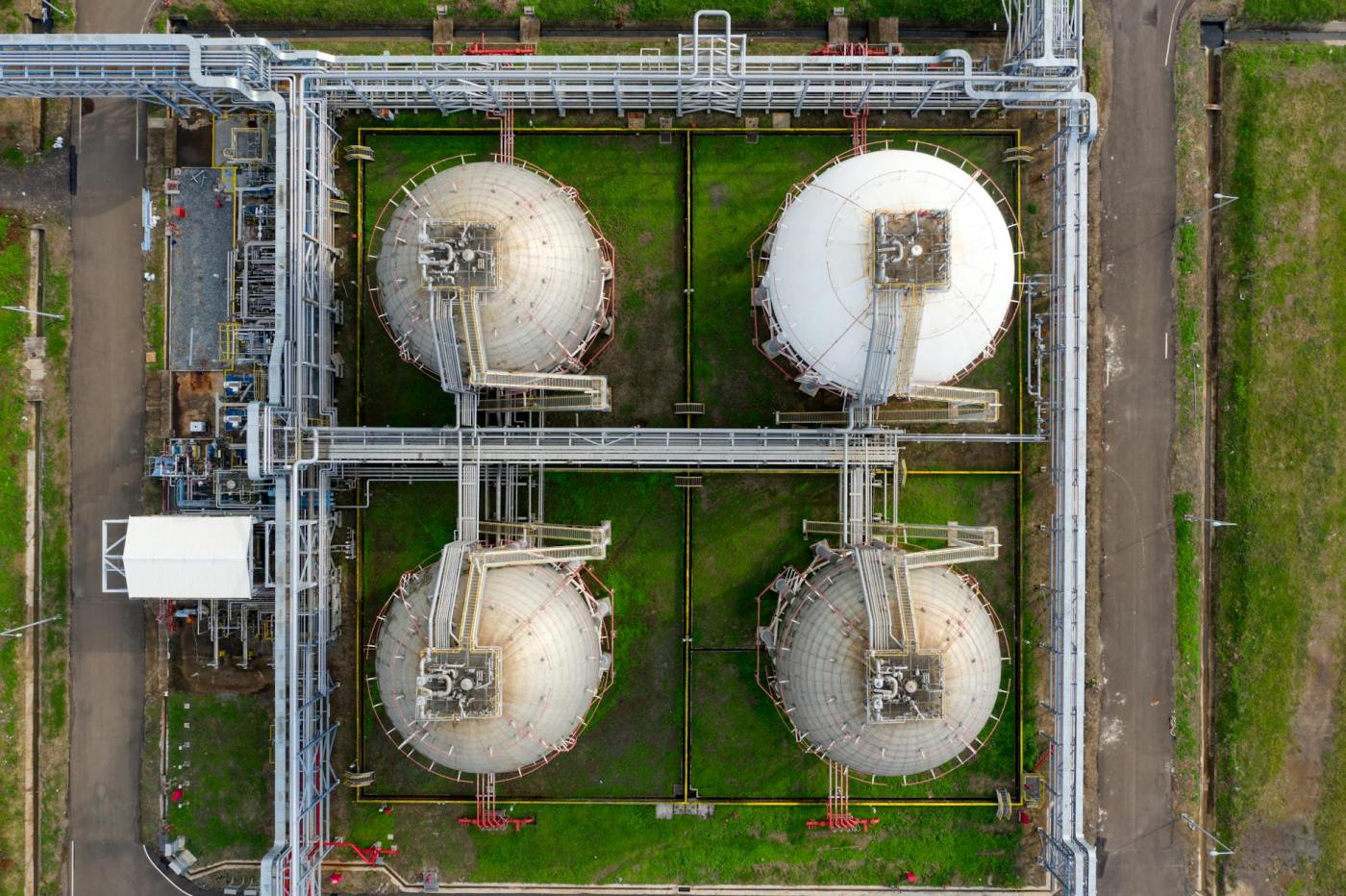
Biogas has long been seen as a promising renewable fuel, produced from organic waste like food scraps, agricultural residue, and animal dung. However, in its raw form, biogas has limitations that restrict its large-scale use.
This is where Compressed Biogas (CBG) comes in.
Raw biogas typically contains only 50–60% methane, with the rest being carbon dioxide, moisture, and impurities like hydrogen sulfide. These impurities reduce its energy efficiency, make storage difficult, and can corrode equipment. Transporting raw biogas over long distances is also not practical.
Compressed biogas, on the other hand, is purified to remove these unwanted components, increasing methane content to over 90%. This makes CBG comparable to compressed natural gas (CNG) in performance. It can be easily stored in cylinders, transported, and used across applications like vehicles, industrial heating, and cooking.
In simple terms, while biogas is a good starting point, compressing and purifying it turns it into a cleaner, more efficient, and scalable fuel. This is why CBG is increasingly preferred, especially in efforts to build a circular and sustainable energy ecosystem.
 Lateral Thinking
Leave a comment