
Introduction
As the calendar turns to April 2026, the Indian economy finds itself navigating the turbulent waters stirred by the recent Iran-U.S. conflict. Despite a fragile ceasefire, the geopolitical tremors have forced the Reserve Bank of India (RBI) into a “wait-and-watch” defensive crouch. On April 8, 2026, the Monetary Policy Committee (MPC) announced strategic measures to shield the nation’s macroeconomic stability.
The Anchor: Monetary Policy Stability
In its first bi-monthly meeting of the fiscal year, the RBI unanimously voted to keep the repo rate unchanged at 5.25%. By maintaining a “neutral” stance, Governor Sanjay Malhotra emphasized flexibility. The goal is clear: prevent runaway inflation triggered by soaring crude oil prices, now averaging $90+ per barrel, without stifling domestic growth (Ref: DailyHunt, HDFC Mutual Fund).
Shielding Growth and Managing Shocks
The war’s impact on the Strait of Hormuz, a transit point for 40% of India’s oil, has led the RBI to trim its GDP growth forecast for FY27 to 6.9% (down from earlier projections of 7.6%).
To counter this, the RBI is focusing on:
- Liquidity Management: Ensuring ample surplus to meet “real economic needs” and prevent a credit crunch as safe-haven demand tightens global capital (Ref: Lingaya’s Vidyapeeth)
- Inflation Control: With CPI inflation projected at 4.6%, the RBI is closely monitoring “imported inflation” caused by higher energy and insurance costs (Ref: The Hindu)
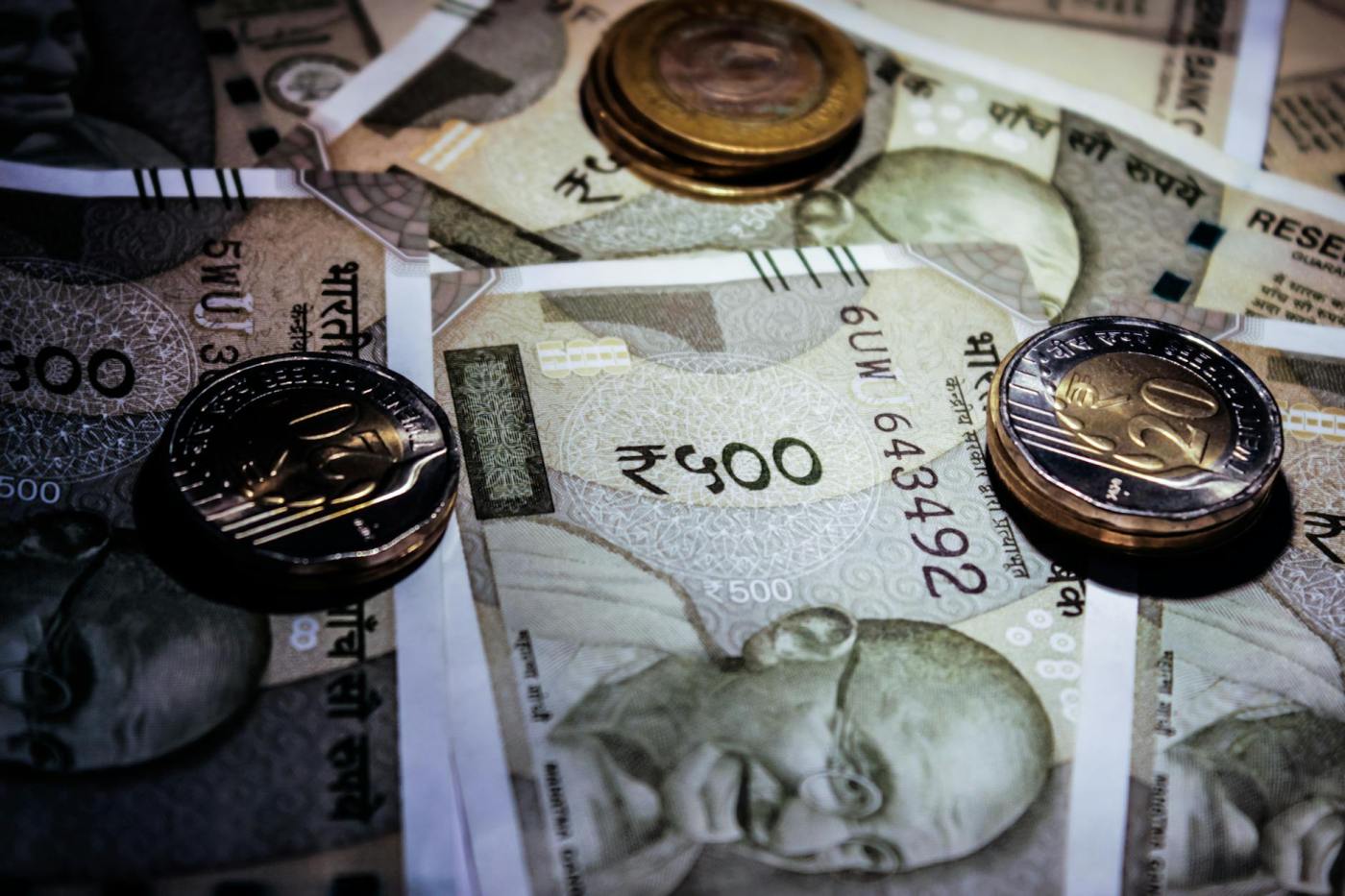
- Currency Support: Proactive interventions to stabilize the Rupee, which recently breached the 95-mark against the Dollar (Ref: Economic Times)
While the horizon remains clouded by uncertainty, the RBI’s cautious yet vigilant approach aims to ensure that India’s fundamentals remain resilient against these external shocks.
 Lateral Thinking
Leave a comment