
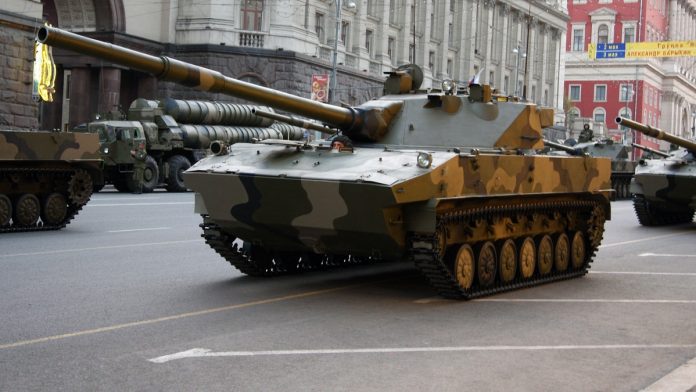
The Ladakh stand-off and the subsequent display of the Chinese Type-15 tanks led to a ‘cat among the pigeons’ moment for the Indian Military planners who were more focused on developing and procuring traditional tanks over 50 Tons and heavy armor with a focus on the Western border with Pakistan.
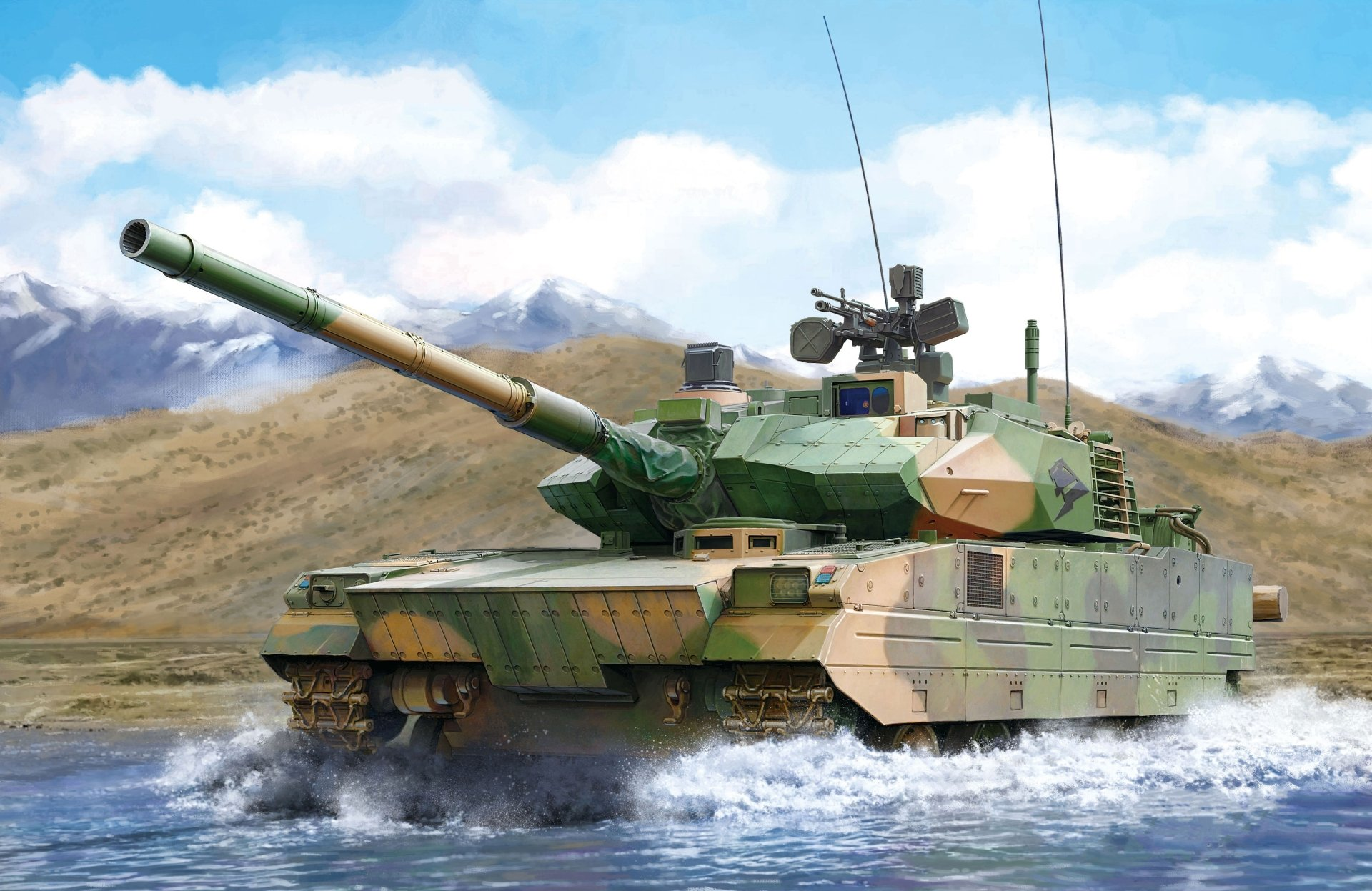
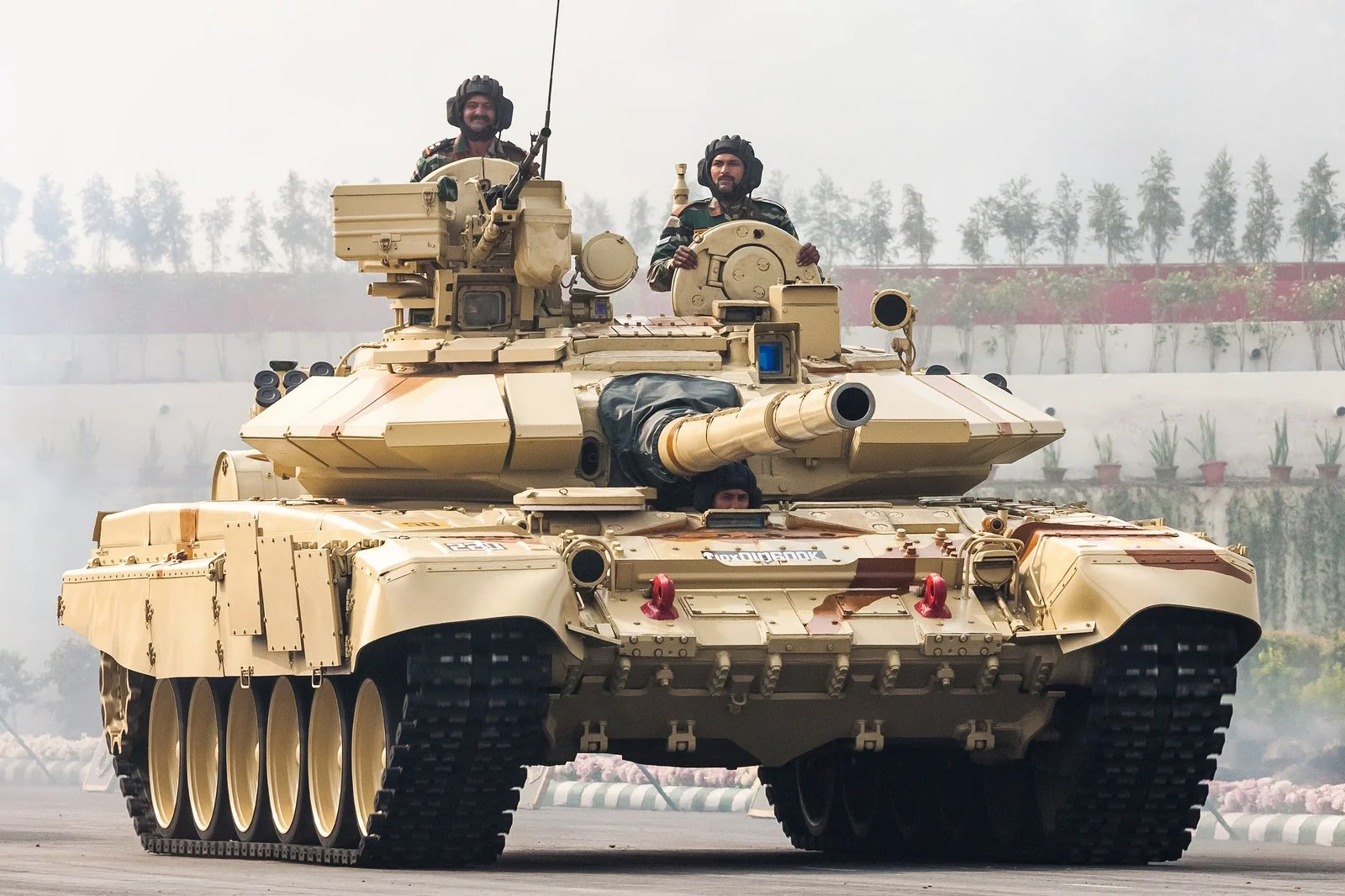
The traditional tanks that India has fancied include Soviet/Russian Origin – T90, T72, and Indigenously built (& upgraded) Bhishma and Arjun Tanks. India is the largest operator of T90 tanks despite the tank being of Russian origin.
In line with this thought, the Indian Armored Corps is now inclined to buy the T-14 Armata Tank which is being considered as the new generation tank in terms of mobility, armor, and firepower. They are set to enter mass production in 2022.

What is India’s Fascination with heavy tanks?
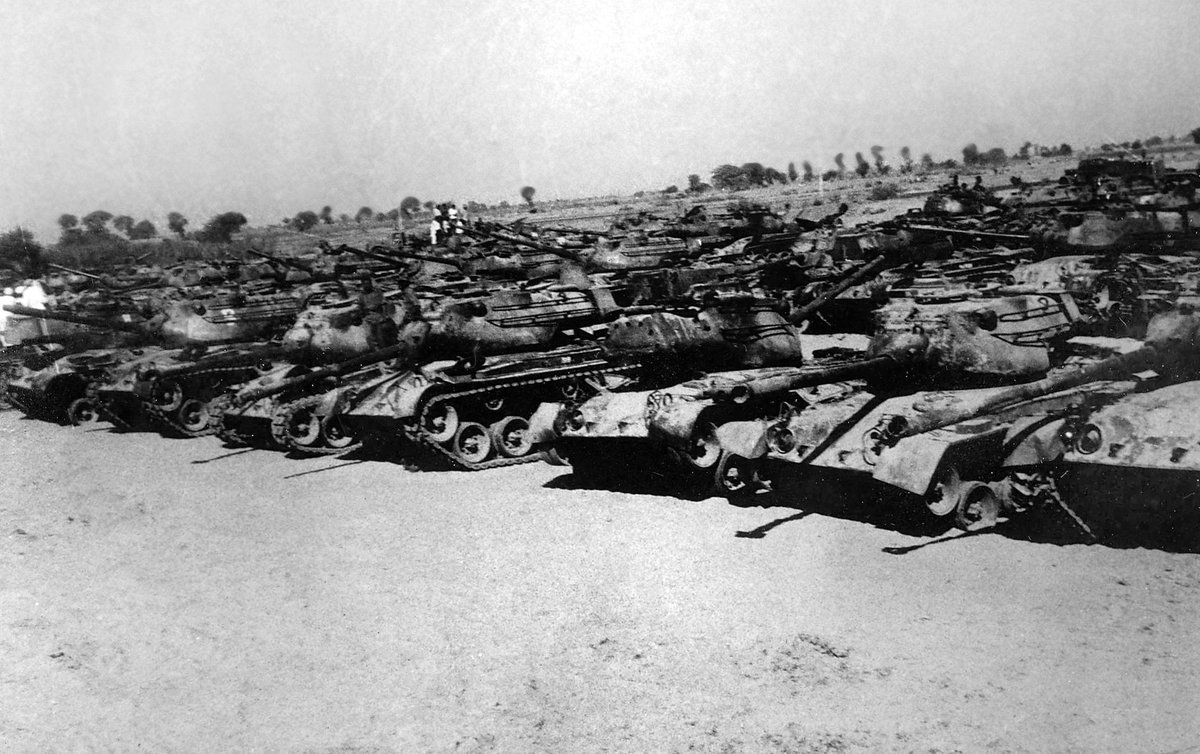
Despite all the benefits of armor for the infantry and its use for the proverbial Blitzkrieg in the enemy territory, India still goes by the nostalgia regarding the tank battles that happened in the 1965 and 1971 wars with Pakistan where tanks of the Indian Army were able to route a much advanced Pakistani armor through tactics and sheer courage
What is India’s sudden need for light tanks?
India after the Ladakh confrontation has understood that transporting and operating heavy tanks in the rarified atmosphere of Ladakh will be difficult. It can act as a stop-gap but in the long term, armor for the high battlefield deployment will have to be in line with the terrain.
Accordingly, India has floated a global tender for acquiring tanks and the Russian ‘Sprut’ Light Tank seems to be the frontrunner. India has been invited to watch the development & user trials for the tank which is normally not done in case of an end-user.

Does India have a history with light tanks?
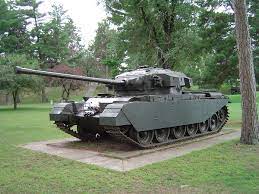
Despite there being no current tanks that fall under the light category, India has used light tanks like ‘The Centurion’ (British Origin), ‘Sherman’ (American Origin), and ‘AMX-13′ (French Origin) during the First Indo-Pak War(1947-48), Indo-China War(1962) & Second Indo-Pak War(1965) especially Battle of Asal Uttar.

Does it help to have multiple tanks in the inventory?
Absolutely not. Multiple equipment means expenses for inventory, training, and maintenance. Multiple tanks for the armored corps have not been adopted by the American or Israeli Armies.

The huge spread of Russian-origin tanks in the Indian Army is due to centralized planning and total focus on the Pakistan border. With time, maintaining the armored brigades with multiple platforms is going to be cost prohibitive and this will be highlighted even more when there is work on Theatre Commands ongoing
What is the Alternative?
Procuring platforms is a cost & time-intensive process. The systems under consideration can take upwards of 36-48 months for delivery if there are no customer-specific modifications involved. Also, overseas procurements are a drain to the exchequer as these platforms will be dependent on the foreign supplier for Maintenance, Spares, and Overhaul throughout their lifetime.
So, how can we address this? Two possible immediate things can be done:
- Increase in the number of ATGMs
- Conversion of Vajra K9 chassis into a light tank with a 105-120mm
Let me elaborate on each scenario,
Anti-tank guided missiles (ATGM) are the best way to neutralize any armor(armored jeeps, infantry combat vehicles, tanks, etc.). India has an inventory of Konkurs (Russian), Spike(Israel), Milan- 2T (French), and indigenously developed NAG, Amogha-1 missiles.

It is better to have tactical weapons which can give strategic advantage like MANPADS
The K9 Vajra is a self-propelled 155 mm howitzer procured through transfer of technology (ToT) from South Korea and manufactured by Larsen and Toubro. The 100 guns under the contract have been delivered ahead of the timeline and the set-up manufacturing unit is idling.
DRDO and L&T have tried to pitch a new light tank based on the chassis of K9 Vajra but with a 105-120mm gun. The only drawback per se is the weight of the overall combo.

The tank will mostly weigh 30-35Tonnes which will be still higher than the 25-tonne requirement mentioned by the Indian Army in its tender.
Considering the time lapse in procurement, it is better to procure the platform in the modified form and let it undergo iterative development to reach the required target. This way, the homegrown defense-industrial base can be sustained to meet our domestic and international requirements.
 Lateral Thinking
Leave a comment