Kindly Note:
This blog post is made from the video shared by Markets by Zerodha, and the summary is for easy reference for people who are unable to watch a 28+ minute video.
This post is for educational purposes only and does not constitute financial or investment advice. Nuclear technology involves complex engineering and geopolitical risks that may impact project timelines and costs.
Introduction
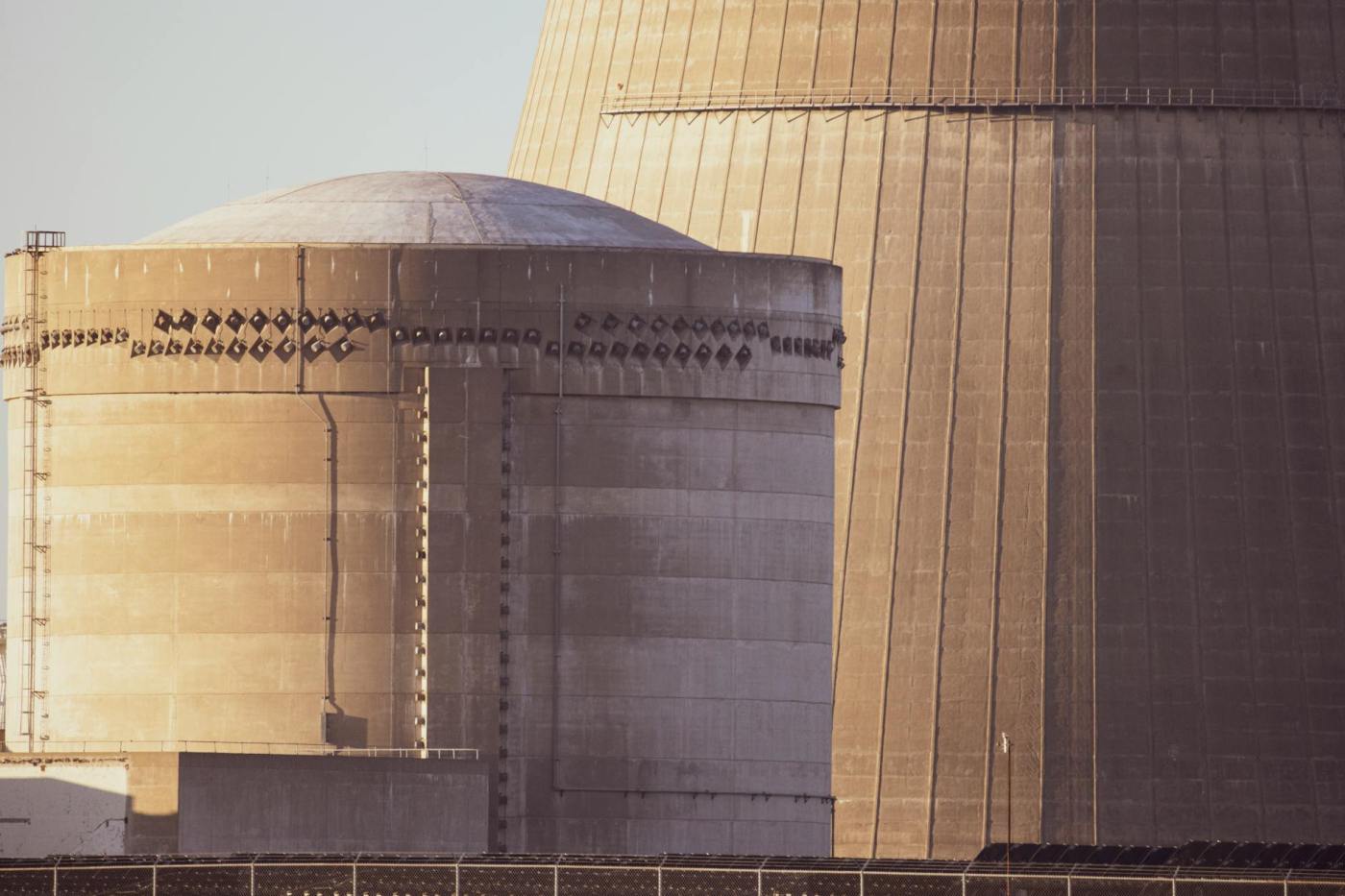
In the world of infrastructure and industry, revolutions are not always visible. Just as India’s plumbing moved from rusted iron to high-tech polymers, its energy sector is undergoing a quiet but massive shift. On April 6, 2026, India achieved a milestone that the US, France, and Japan abandoned after spending billions: the Prototype Fast Breeder Reactor (PFBR) at Kalpakkam went critical.
This is not just another power plant – it is the key to unlocking India’s energy independence for the next 400 years.
The Basics of the Nuclear “Product Mix”
To understand the breakthrough, we have to look at the raw materials. Nuclear energy deals with different isotopes that serve unique purposes:
- Uranium-235: The “premium” fuel. It splits easily but makes up less than 1% of natural uranium. India has very little of this.
- Uranium-238: The stable majority (99%). It doesn’t split easily in conventional reactors, making it “waste” in standard playbooks.
- Thorium: India’s secret weapon. We hold 25% of the world’s thorium reserves, enough to generate 500 GW of power for centuries. But thorium is like raw resin; it needs to be “processed” into Uranium-233 before it can produce energy.
The Three-Stage Revolution
In the 1950s, Homi Bhabha designed a “relay race” for India’s energy. We are now entering the most difficult leg: Stage 2.
- Stage 1 (Conventional): Using natural uranium to produce electricity and a byproduct called Plutonium.
- Stage 2 (The Fast Breeder): This is where the PFBR comes in. It uses Plutonium as fuel but is surrounded by a “blanket” of Uranium-238 or Thorium. It effectively “breeds” more fuel than it consumes.
- Stage 3 (Thorium Reactors): The endgame where India runs entirely on thorium-converted fuel, ending dependence on imports forever.
The Chemistry and Engineering Challenge
In standard reactors, water is used as a coolant. However, water slows down neutrons. For a “Breeder” to work, neutrons must stay fast. The solution is Liquid Sodium, which presents an engineering nightmare:
- Thermal Efficiency: Sodium transfers heat brilliantly, allowing the reactor to be more compact.
- The Risk Factor: Sodium is highly reactive and explodes upon contact with air or water. This high-risk chemistry is why the UK, Germany, and Italy walked away. India is now only the second country (after Russia) to successfully operate a commercial-scale fast breeder.
Key Risks and Future Outlook
While the PFBR going critical is a massive win, the journey to 2047, where India targets 100 GW of nuclear power, faces several hurdles:
- Operational Stability: Historically, breeder reactors worldwide have spent more time in maintenance than in operation (e.g., Japan’s Monju reactor)
- Capex and Timelines: The PFBR took 22 years to reach this stage, with costs doubling to nearly ₹8,200 crore
- The Global Race: While India masters sodium-cooled breeders, China is experimenting with Thorium Molten Salt reactors, which might offer a safer route to the thorium endgame
Conclusion
India’s nuclear strategy is a classic example of lateral thinking.
Instead of competing for scarce global Uranium, the country spent seven decades mastering the most difficult engineering challenge on the planet to utilise its own resources. As the PFBR begins its journey to grid connection, India stands on the verge of a revolution as transformative as the shift from metal to plastic, only this time, it’s the very atoms of the nation powering the change.
References & Further Reading:
- India solves a key bottleneck in nuclear energy – Markets by Zerodha
- Department of Atomic Energy (DAE) – Three-Stage Nuclear Program Overview


Leave a Reply