
Introduction
For centuries, cattle dung has been a staple in rural households, often used as a simple fuel source or organic fertilizer. However, as we face a global climate crisis and a growing need for sustainable energy, this “waste” product is being reimagined. Cattle dung is no longer just a byproduct of farming; it is a goldmine for the circular economy.
The Challenge of Processing
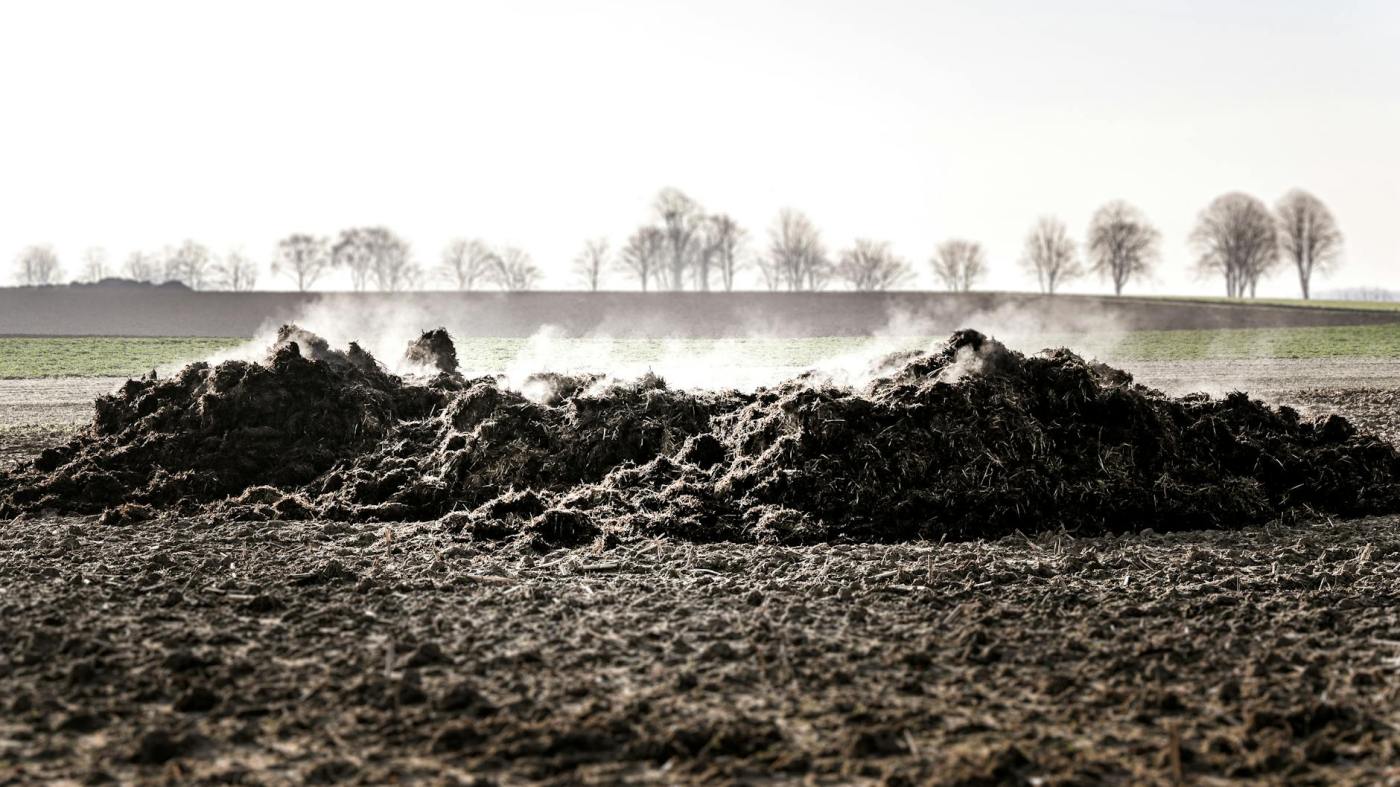
Despite its potential, managing cattle dung at scale is difficult. Traditional open-air heaps release significant amounts of methane, a greenhouse gas much more potent than carbon dioxide.
Additionally, manual collection is labor-intensive, and improper disposal can lead to water contamination and the spread of pathogens. Transitioning from traditional “dung cakes” to industrial-scale processing requires significant infrastructure and investment.
Energy Content and “Waste to Value”
Cattle dung is rich in organic matter. On average, the calorific value of dried cattle dung is about 10-12 MJ/kg.
When processed through anaerobic digestion, it produces biogas, a clean energy source.
Beyond energy, the “Waste to Value” spectrum is vast:
- Compressed Biogas (CBG): Purified methane used as vehicle fuel.
- Bio-fertilizers: The leftover slurry is a nutrient-rich organic manure.
- Solid Products: Processed dung is now used to create biodegradable pots, bricks, and even paper.
Growth and Employment Opportunities
The “dung economy” is a rising sector.
Establishing biogas plants in rural areas creates a localized value chain. It offers employment for collectors, plant operators, and distributors. For entrepreneurs, the production of value-added organic fertilizers and sustainable construction materials presents a high-growth business opportunity as the world moves away from chemical-heavy and carbon-intensive products.
Fighting Climate Change
Cattle dung is a secret weapon for climate mitigation.
By capturing methane in closed systems (biogas plants), we prevent it from entering the atmosphere. Replacing chemical fertilizers with bio-slurry also restores soil health and sequesters carbon.
Embracing cattle dung processing isn’t just about waste management; it’s about building a circular living model where every byproduct fuels the next stage of life, ensuring a cleaner, greener, and more prosperous future for all.


Leave a Reply