
Introduction
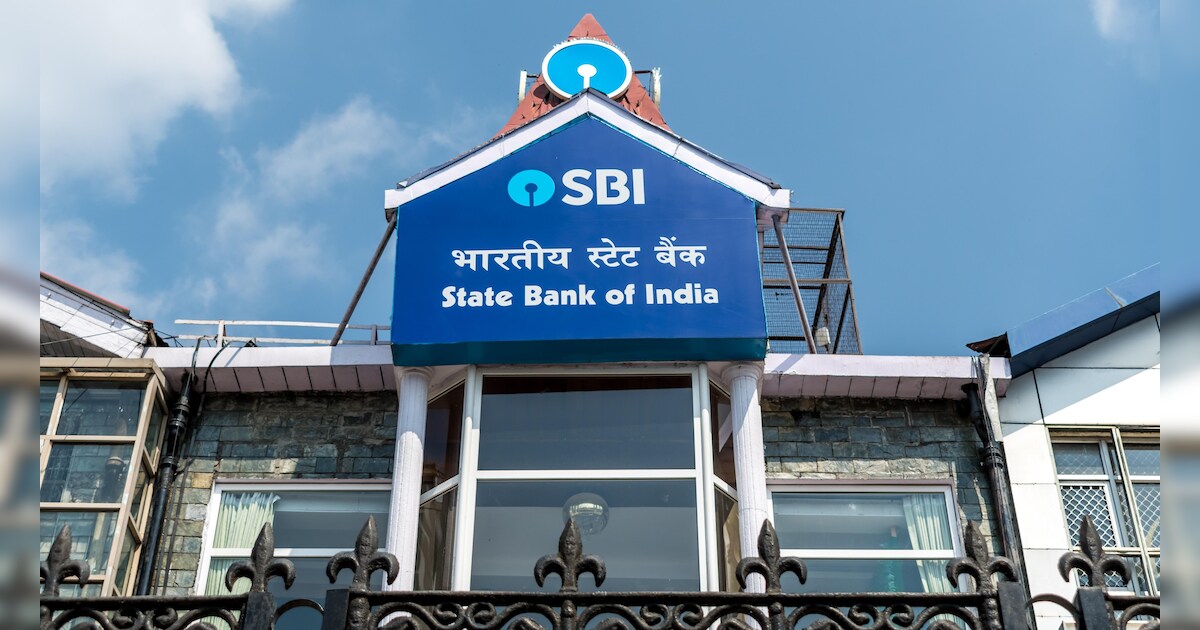
Shares of State Bank of India witnessed a sharp correction after the bank announced its Q4 FY26 results.
Despite reporting strong annual profits, the stock fell significantly over two trading sessions, wiping out more than $11 billion in market value.
Investors reacted negatively because the market was more concerned about slowing profitability momentum, shrinking margins, and weaker operational performance than the headline profit numbers. The correction also reflected broader concerns around the banking sector as rising funding costs continue to pressure earnings quality.
What Is the Reason for the Correction?
| Factor | Outcome |
|---|---|
| Decline in Net Interest Margin (NIM) | SBI’s NIM fell to around 2.8%, indicating that the bank is earning lower spreads between lending and deposit rates. This raised concerns about future profitability. |
| Rising Deposit Costs | Banks are increasing deposit interest rates to attract funds, which is increasing operational costs and reducing earnings efficiency. |
| Weak Operating Profit Growth | Even though net profits remained strong, operating profit declined, signaling pressure on the core banking business. |
| Lower Treasury Income | Rising bond yields impacted treasury gains, reducing non-interest income contribution to earnings. |
| Disappointing Earnings Expectations | Investors and analysts expected stronger quarterly numbers from SBI considering its scale and market leadership. |
| Negative Banking Sector Sentiment | Weak sentiment across banking stocks amplified selling pressure on SBI shares and dragged valuations lower. |
| Concerns About Future Growth | Brokerages highlighted that future earnings growth may moderate if margin pressures continue in the coming quarters. |
What Should Investors Do?
Investors should avoid reacting purely based on short-term price movements. State Bank of India still maintains strong fundamentals through its large customer base, improving asset quality, strong credit growth, and dominant position in the Indian banking sector.
However, investors should closely monitor factors such as margin stabilization, deposit growth, loan growth quality, and future quarterly earnings. Long-term investors may view such corrections as opportunities to evaluate accumulation at better valuations, while short-term investors should remain cautious until the banking sector sentiment improves.
The recent fall also highlights an important investing lesson: Markets often reward future earnings visibility and operational efficiency more than headline profit growth alone.
About the Author:
The author is an AMFI-registered MFD with ARN-262589. For personalised queries or professional investment assistance, you can reach out via email at edteficonsult@gmail.com.


Leave a Reply