
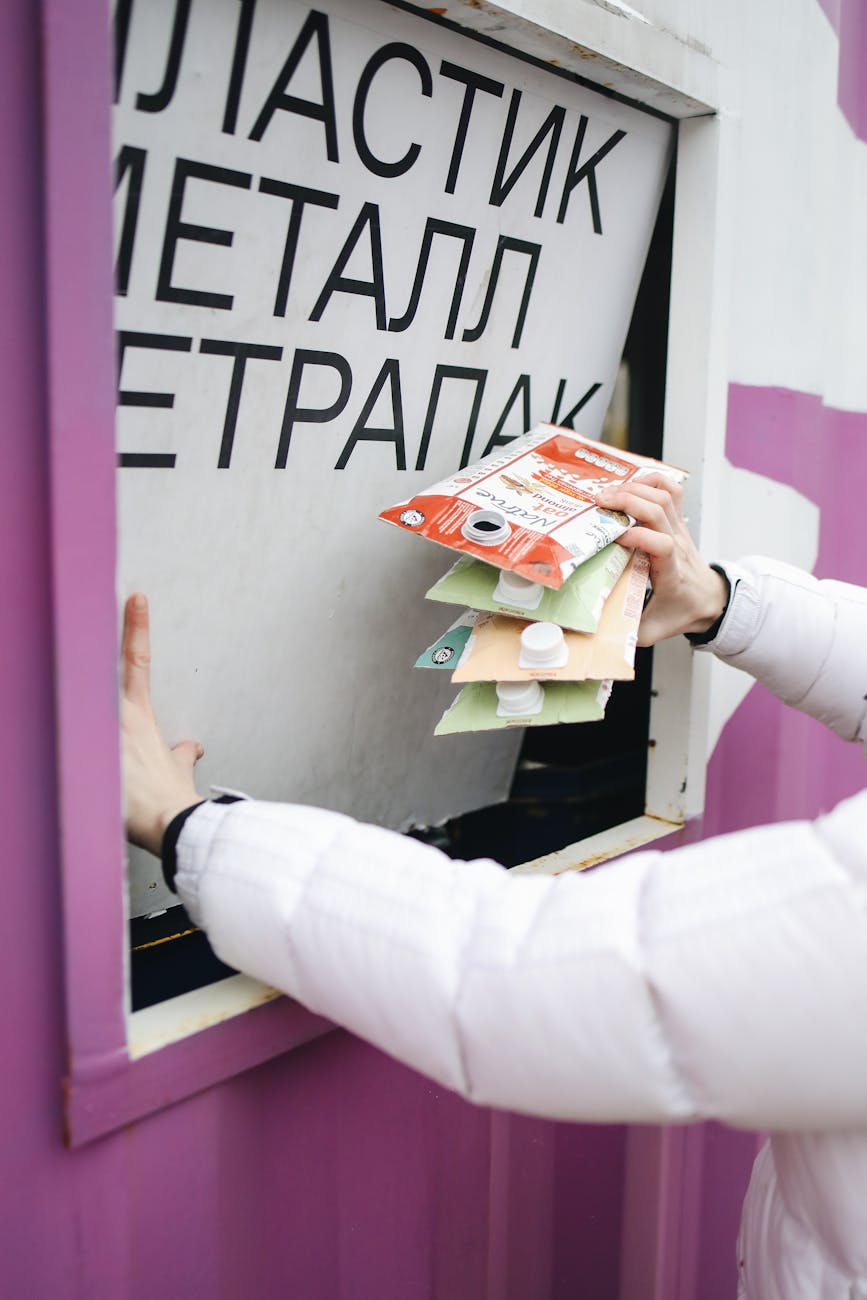
What is Tetra Pak?
Tetra Pak cartons are multi-layer beverage and food packaging solutions commonly used for milk, juices, soups, and packaged drinks. These cartons are designed to keep products safe for long durations without refrigeration. Their lightweight structure and long shelf life have made them popular across households, retail stores, and food supply chains worldwide.
How Are the Cartons Made?
A typical carton is made using multiple layers of different materials. Around 70% of the carton consists of paperboard, while the remaining portion contains thin layers of plastic and aluminum.
The paperboard provides strength and shape, plastic prevents moisture leakage, and aluminum protects the contents from light, oxygen, and contamination. These layers are pressed together tightly to create durable packaging capable of preserving food for extended periods.
What Are the Advantages of This Make?
The layered structure offers several benefits. Tetra Pak cartons are lightweight, easy to transport, and reduce storage costs. Since many products inside do not require refrigeration before opening, energy consumption across supply chains also decreases.
The cartons also help reduce food wastage because they increase product shelf life. Compared to glass or metal containers, they generally require less transportation fuel due to their lighter weight.
What Are the Issues Linked to Recycling?
Despite their benefits, recycling these cartons is difficult. The paper, plastic, and aluminum layers are tightly bonded together, making separation expensive and technically demanding.
Collection is another major issue. Many consumers dispose of cartons with regular waste, leading to contamination. In several regions, waste segregation systems are still weak, reducing the chances of proper recovery. Low collection volumes also make recycling commercially unattractive for recyclers.
What Are the Current Approaches?
- Recyclers mainly use hydropulping technology, where cartons are mixed with water to separate paper fibers from plastic and aluminum layers. The recovered paper fibers are used in products like tissue paper, notebooks, and packaging boards
- Leftover plastic-aluminum mixture is sometimes converted into boards, roofing sheets, or industrial materials. Some companies are also experimenting with advanced chemical recycling and pyrolysis methods to recover materials more efficiently
What Recycling Methodology Can Create a Stable Circular Journey?
A stable circular system requires more than just recycling technology. The first step is strong source segregation at homes, schools, offices, and commercial establishments. Clean and separated cartons significantly improve recovery efficiency.
The second step is decentralized collection networks involving waste pickers, aggregators, municipalities, and recycling companies. Incentive-driven buyback systems can also improve collection rates.
Finally, investment in specialized recycling infrastructure is essential. Combining fiber recovery with advanced plastic-aluminum processing can ensure that all layers are reused instead of discarded.
Conclusion
Tetra Pak cartons demonstrate how smart packaging can improve food preservation and logistics. However, their multi-layer structure also creates recycling challenges that cannot be solved through technology alone. A truly circular journey will depend on consumer awareness, better waste segregation, stronger collection systems, and scalable recycling infrastructure working together.
 Lateral Thinking
Leave a comment