
Introduction
Textile waste refers to discarded materials generated during the production, consumption, and disposal of clothing, footwear, home furnishings, and industrial fabrics. It includes scraps from factories, unsold inventory, damaged garments, and clothes thrown away by consumers. Textile waste can be categorized into two broad types: pre-consumer waste, generated during manufacturing, and post-consumer waste, produced after consumers discard used products.
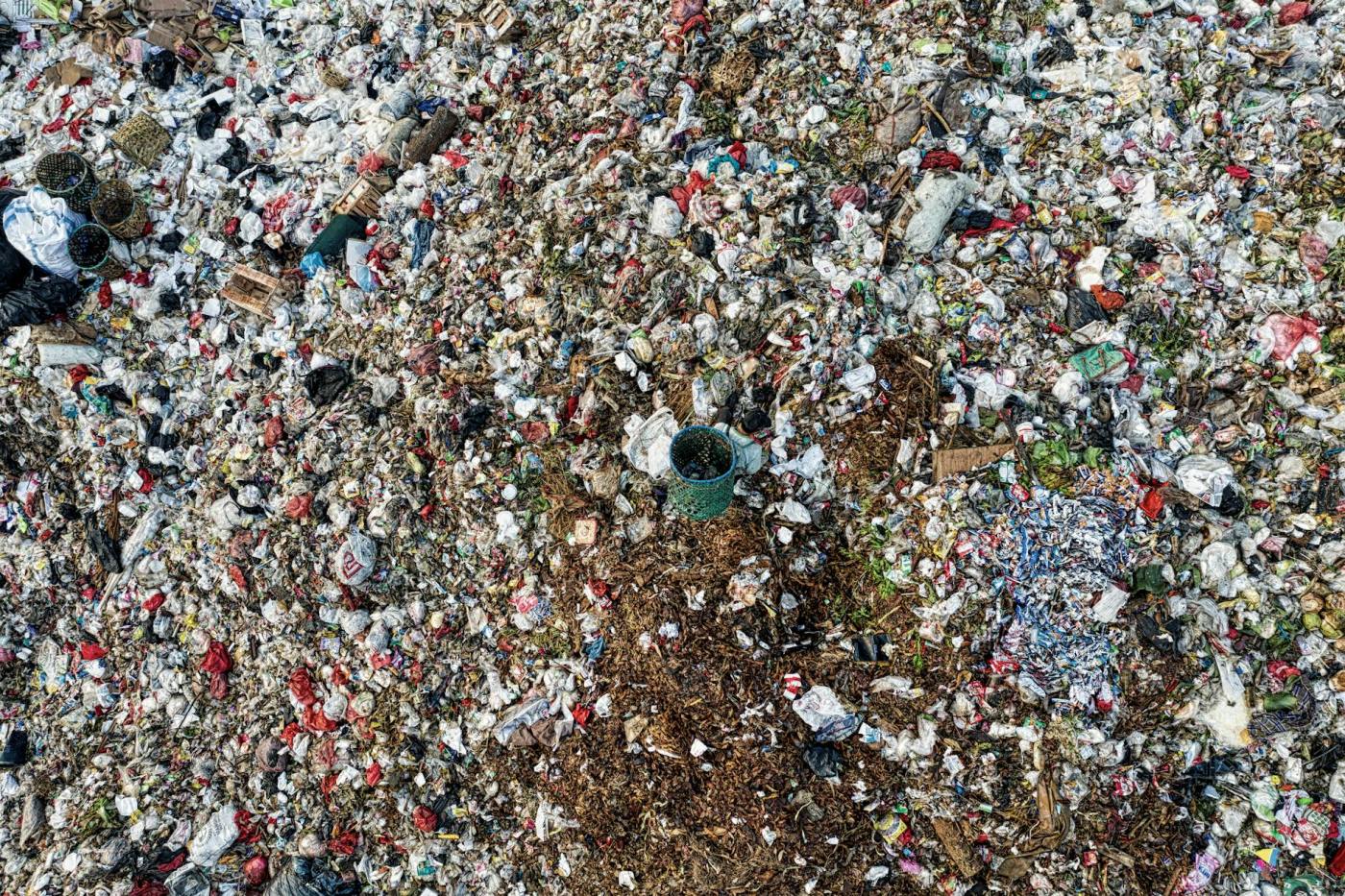
Globally, textile waste has become one of the fastest-growing waste streams due to changing fashion trends, rising consumption, and limited recycling infrastructure. Large volumes of textiles end up in landfills or are incinerated, leading to environmental concerns such as soil contamination, water pollution, and greenhouse gas emissions.
Factors Contributing to the Increase in Textile Waste
One of the biggest contributors is the rise of fast fashion. Brands are producing clothing at a much faster pace and at lower prices, encouraging consumers to purchase more frequently and discard garments sooner. This short product lifecycle significantly increases waste generation.
Another major factor is poor recycling and segregation systems. Many textiles contain blended fibers such as cotton-polyester mixes, making recycling difficult and expensive. In several regions, there is limited infrastructure to collect, sort, and process discarded textiles effectively.
Changing consumer behavior is also accelerating textile waste. Increased online shopping, impulse buying, and social media-driven fashion trends have created a culture of “wear once and discard.” Additionally, low-quality garments often have shorter lifespans, leading to quicker disposal.
Industrial inefficiencies further add to the problem. Excess production, defective materials, and unsold inventory contribute heavily to textile waste even before products reach consumers.
The Way Forward
Reducing textile waste requires a circular approach involving sustainable design, recycling technologies, reuse markets, responsible consumer behavior, and stronger waste management systems. Promoting durable clothing, textile recovery, and upcycling can help reduce the environmental burden created by the growing textile industry.


Leave a Reply