
Introduction
Polystyrene is a lightweight and widely used plastic made from a chemical compound called styrene, which is derived from petroleum.
It is commonly found in two forms – rigid plastic used in products like cutlery and CD cases, and expanded polystyrene (EPS), often recognized as thermocol or foam packaging material.
How is Polystyrene Made?
Polystyrene is produced through a process called polymerization, where styrene molecules are chemically bonded together to form long plastic chains. In the case of expanded polystyrene, tiny beads containing a blowing agent are heated, causing them to expand and fuse into lightweight foam structures.
Its low cost, insulation properties, and ease of molding have made it popular across packaging, construction, electronics, and food-service industries.
Common Uses of Polystyrene
Polystyrene is used in disposable cups, food containers, insulation panels, protective packaging, appliance casings, and laboratory equipment.
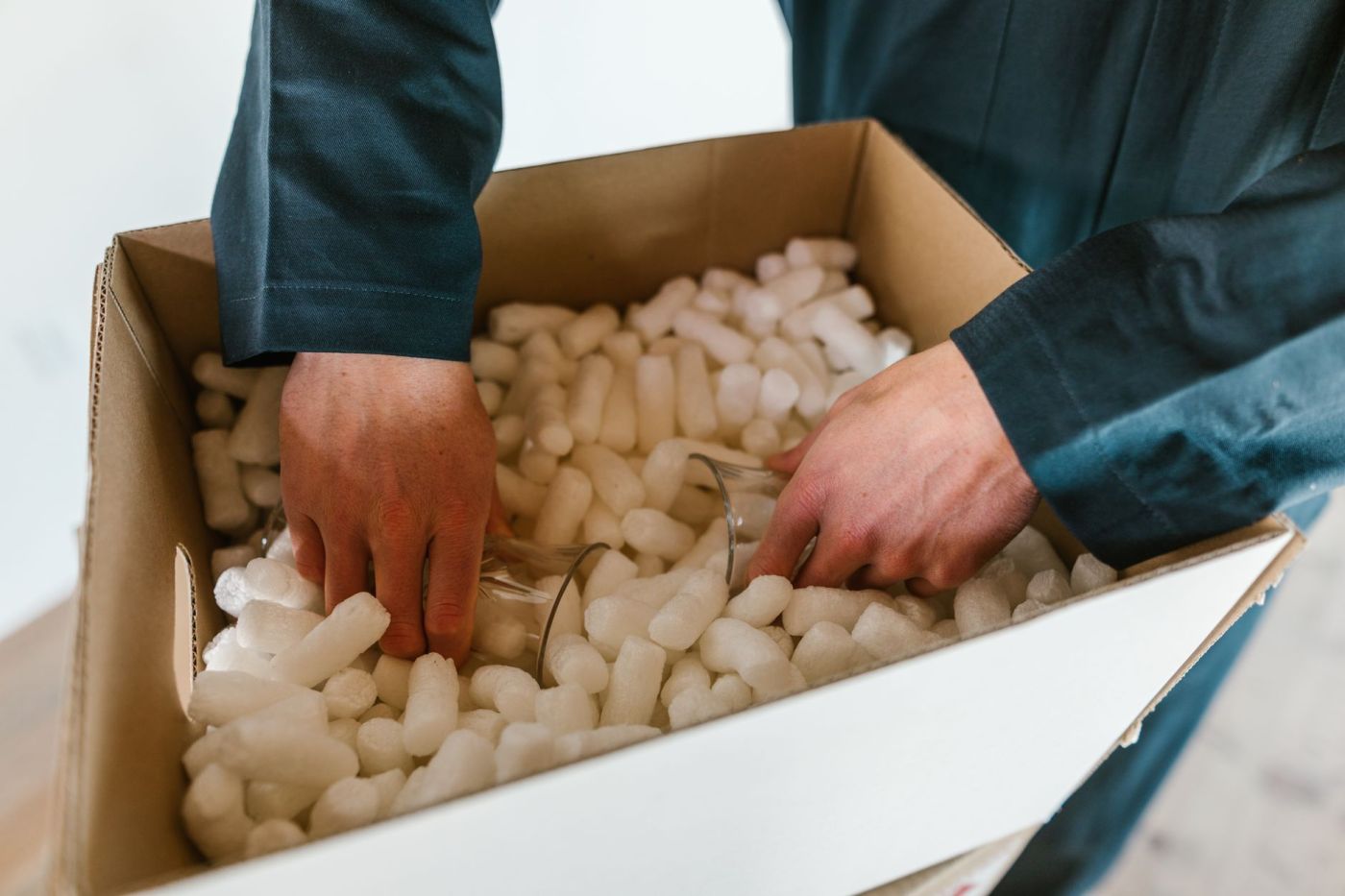
Expanded polystyrene is especially valued for cushioning fragile products during transportation and maintaining temperature in cold-chain logistics.
Disposal and Environmental Challenges
Despite its utility, polystyrene poses major environmental concerns. It is non-biodegradable and can persist in the environment for hundreds of years. Lightweight foam products often break into microplastics, polluting water bodies and harming marine life.
Recycling is also difficult because contaminated or low-density polystyrene is expensive to collect and process.
Circular Economy Solutions
To manage polystyrene sustainably, industries and municipalities are exploring circular approaches such as mechanical recycling, densification technologies, and chemical recycling that converts waste back into styrene monomers.
Reusable packaging systems, take-back programs, and converting waste polystyrene into insulation boards or construction materials are also gaining traction. Reducing single-use applications and improving segregation at source remain critical for building a more circular plastic economy.


Leave a Reply