
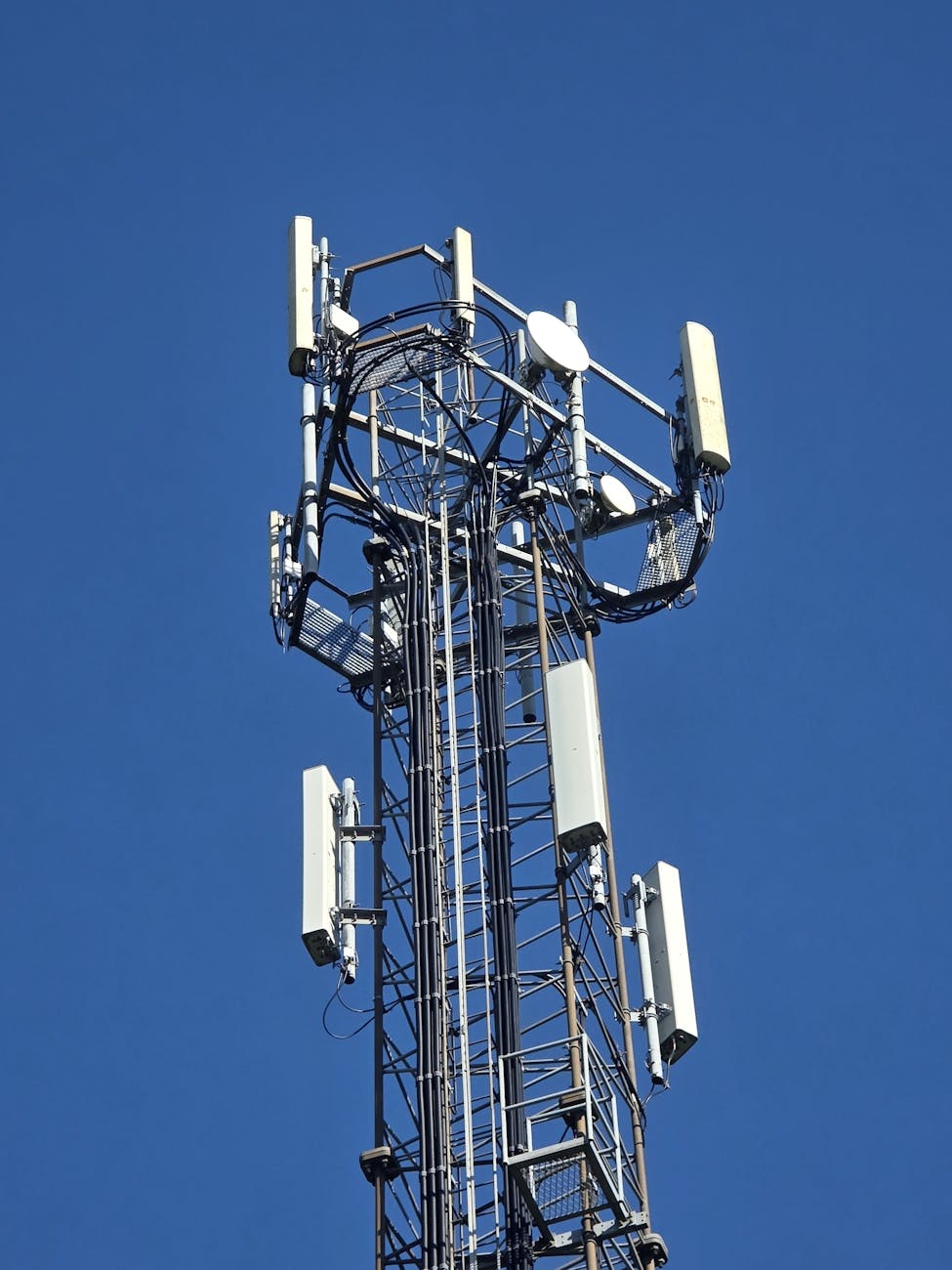
Introduction
Network slicing is a key capability of 5G networks that allows telecom operators to create multiple virtual networks, or “slices,” on the same physical infrastructure.
Each slice can be customized for specific requirements such as ultra-low latency, high bandwidth, enhanced security, or massive IoT connectivity. This enables telecom operators to serve different customer segments without building separate networks.
How Network Slicing Improves ARPU
Average Revenue Per User (ARPU) is a critical profitability metric for telecom companies. Traditionally, mobile connectivity has been sold as a commodity, leading to intense price competition. Network slicing allows operators to offer premium services with guaranteed performance levels, enabling differentiated pricing.
For example, telecom companies can provide dedicated slices for cloud gaming, industrial automation, smart factories, connected vehicles, healthcare applications, and enterprise IoT. Customers pay not just for data consumption but for assured service quality, reliability, and latency. This creates new revenue streams beyond conventional voice and data plans.
Global Adoption Trends
Globally, operators in markets such as Singapore, Europe, and North America are using network slicing to offer premium consumer and enterprise services. The technology is increasingly viewed as a major 5G monetization tool, helping operators recover significant investments made in 5G infrastructure.
The Indian Context
India has recently entered the commercial network slicing era. In May 2026, Bharti Airtel launched the country’s first commercial 5G network slicing service, offering priority connectivity to postpaid users during periods of network congestion. This marks a shift from selling pure connectivity to selling differentiated service quality.
While network slicing presents an opportunity to increase ARPU through premium plans and enterprise solutions, challenges remain. India’s low data tariffs, spectrum constraints, and net-neutrality considerations may slow large-scale monetization. Nevertheless, it represents one of the most promising avenues for telecom operators to improve profitability in the 5G era.


Leave a Reply