
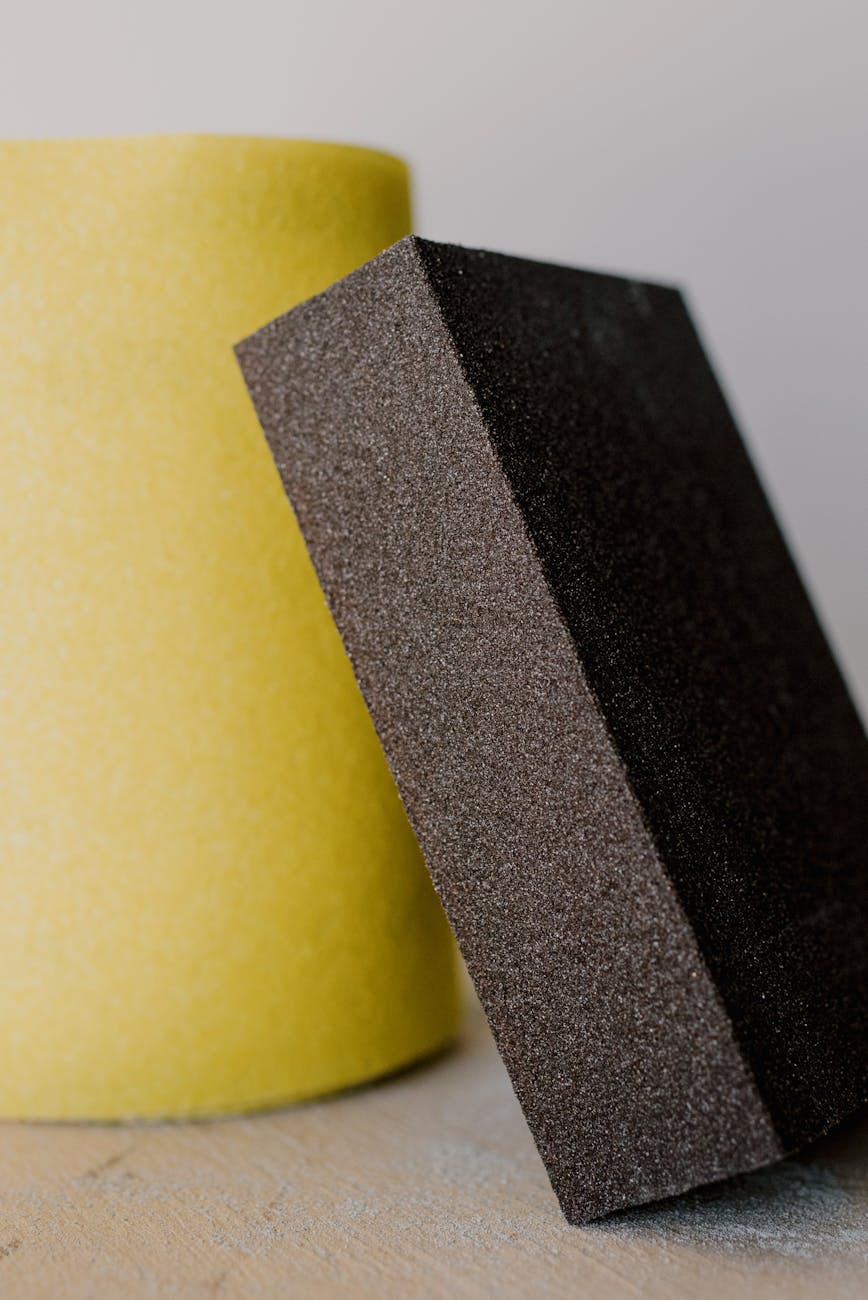
Introduction
Polyurethane (PU) is a versatile plastic material formed by reacting polyols and isocyanates. Depending on how it is manufactured, it can be either rigid or flexible.
Polyurethane is found in everyday products such as mattresses, furniture cushions, footwear, automotive seats, insulation panels, coatings, adhesives, and packaging materials.
Its unique ability to provide durability, flexibility, and insulation has made it one of the most widely used polymer materials in the world.
Why is Polyurethane Used?
Polyurethane offers several advantages:
- Lightweight yet strong
- Excellent thermal and sound insulation
- Resistant to wear, chemicals, and moisture
- Comfortable cushioning properties
- Long service life
These characteristics make it valuable across industries such as construction, automotive, furniture, appliances, and consumer goods. For example, PU insulation helps reduce energy consumption in buildings and refrigerators, while PU foams improve comfort in furniture and footwear.
How is Polyurethane Managed After Use?
Traditionally, most polyurethane waste has been sent to landfills or incinerated for energy recovery. Some industries also use mechanical recycling methods, where PU waste is shredded and incorporated into products such as carpet underlays, insulation boards, or rebonded foam used in mattresses.
More recently, chemical recycling technologies have emerged that aim to break polyurethane back into useful chemical building blocks for reuse.
Challenges in Recycling Polyurethane
Recycling polyurethane is more difficult than recycling materials such as PET bottles or aluminum.
Key challenges include:
- Multiple formulations and additives make sorting difficult.
- Thermoset PU products cannot simply be melted and remolded.
- Collection and segregation systems are often inadequate.
- Chemical recycling technologies can be expensive and energy-intensive.
- Contamination from mixed waste streams reduces recycling efficiency.
As a result, only a small portion of polyurethane waste is currently recycled globally.
What Comes Next?
The future of polyurethane is moving toward circularity. Researchers and manufacturers are developing recyclable polyurethane formulations, bio-based raw materials, and advanced chemical recycling technologies.
Improved collection systems and producer responsibility programs may also help recover more PU waste.
As sustainability becomes a greater priority, the focus will be on keeping polyurethane materials in use for longer and reducing their dependence on virgin fossil-based resources.
 Lateral Thinking
Leave a comment