
Introduction
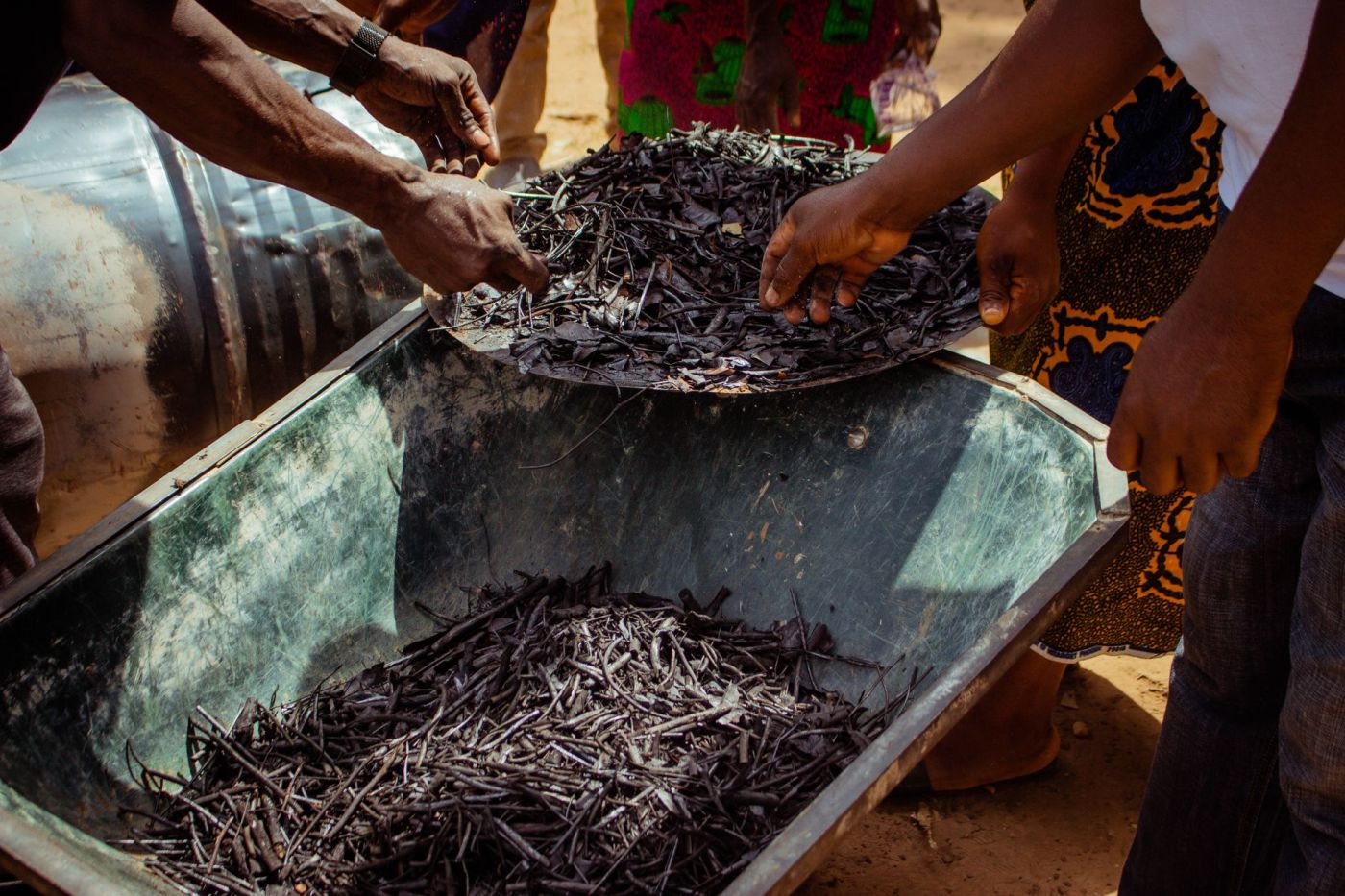
Biochar is a carbon-rich material produced by heating agricultural waste, wood residues, or other biomass in a low-oxygen environment through a process called pyrolysis.
It looks similar to charcoal but is primarily used for environmental and agricultural applications rather than as a fuel. Biochar helps lock carbon into a stable form, preventing it from returning to the atmosphere as carbon dioxide.
Why is Biochar Used?
Biochar is mainly used to improve soil health and support sustainable agriculture. When added to soil, it can enhance water retention, improve nutrient availability, and promote beneficial microbial activity. Farmers often use it to improve crop productivity, especially in degraded soils.
Beyond agriculture, biochar is gaining attention as a climate solution because it can store carbon for hundreds or even thousands of years. It can also be used in wastewater treatment, composting, and as an additive in construction materials.
Current Status of Biochar
Interest in biochar has increased globally due to the growing focus on carbon removal and regenerative agriculture. Countries such as the United States, Australia, and several European nations are supporting biochar projects through carbon credit markets and sustainability programs.
In India, biochar is still at an early stage but is attracting attention from startups, research institutions, and policymakers. The country’s large agricultural sector generates significant biomass residues, creating a strong opportunity for biochar production while reducing crop residue burning.
Challenges Linked to Biochar
Despite its benefits, biochar faces several challenges. Production technologies can be expensive for small farmers, and there is limited awareness about its proper use. The quality of biochar can vary depending on the feedstock and production process, making standardization important.
Another challenge is developing reliable carbon-credit frameworks and supply chains that can make biochar projects financially viable.
What’s Next for India?
India has the potential to become a major biochar producer due to its abundance of agricultural residues. Future growth will likely depend on policy support, farmer education, carbon-credit incentives, and investments in decentralized production systems.
If integrated effectively with waste management and sustainable farming initiatives, biochar could help India improve soil health, reduce emissions from crop burning, and contribute to its long-term climate goals.
References for Further Reading
- International Biochar Initiative (IBI)
- European Biochar Industry Consortium (EBI)
- Indian Council of Agricultural Research (ICAR)
- Food and Agriculture Organization (FAO)
- United Nations Framework Convention on Climate Change (UNFCCC)


Leave a Reply