What is Compressed Biogas (CBG)?
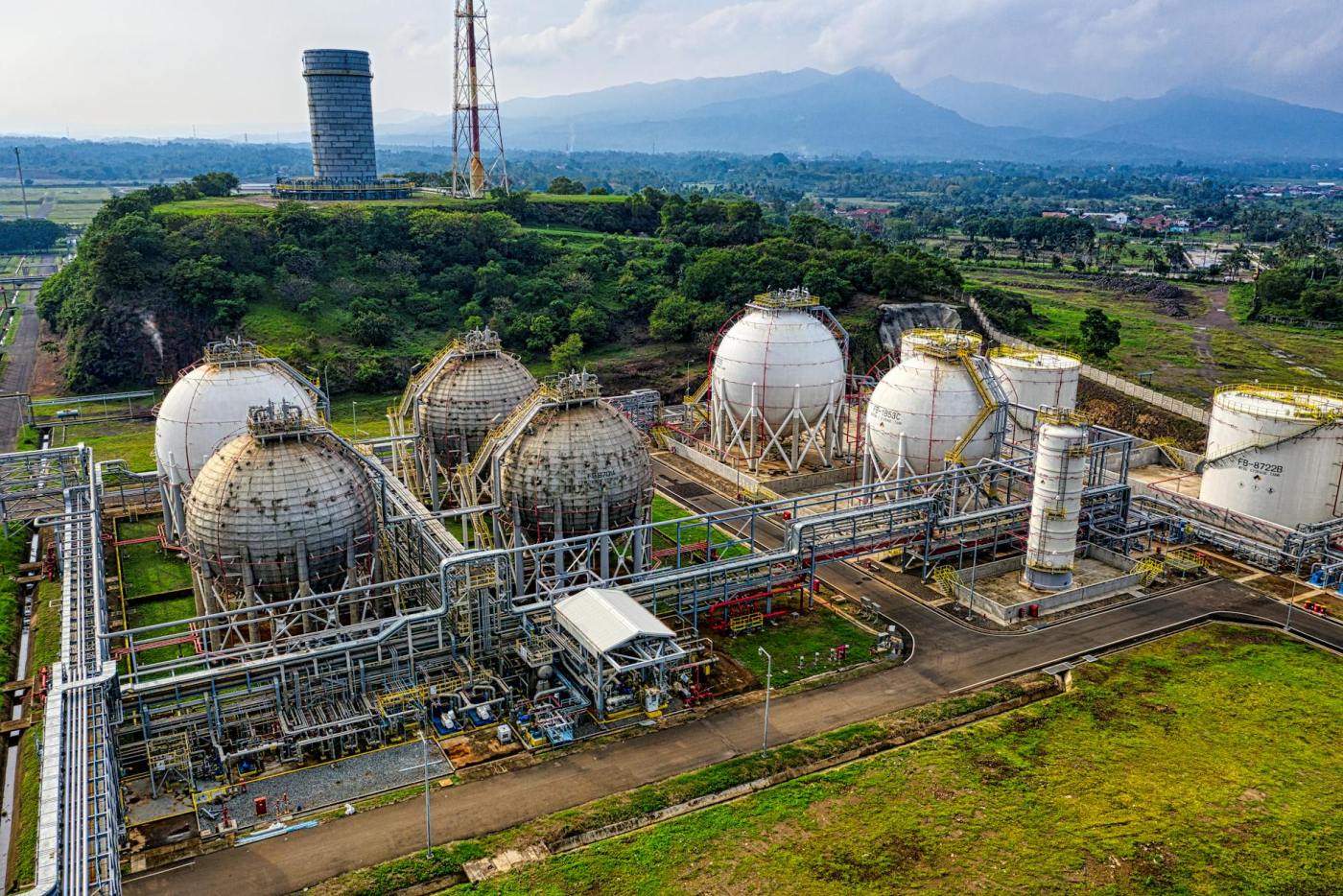
Compressed Biogas (CBG) is a purified form of biogas produced from agricultural residue, animal waste, municipal solid waste, sewage sludge, and other organic materials. After removing impurities, the gas attains a quality similar to natural gas and can be used as a transportation fuel, industrial fuel, or cooking gas.
Why is it Important?
CBG offers multiple benefits for a country like India. It helps manage waste, reduces methane emissions, lowers dependence on imported fossil fuels, and provides farmers with an additional source of income through the sale of crop residue. The by-product, known as digestate, can also be used as an organic fertiliser.
Current Status in India
The Government of India launched the Sustainable Alternative Towards Affordable Transportation (SATAT) initiative in 2018 to promote CBG production. Oil Marketing Companies (OMCs) such as Indian Oil Corporation, Bharat Petroleum Corporation Limited, and Hindustan Petroleum Corporation Limited have offered long-term offtake agreements to purchase CBG from producers.
Despite hundreds of Letters of Intent being issued, only a fraction of the proposed plants are operational today. The sector remains far below its original targets.
Why Has CBG Not Taken Off?
Several challenges continue to slow growth:
- High capital costs for setting up purification and compression systems.
- Feedstock collection issues, especially for agricultural residue spread across large rural areas.
- Financing challenges arise as lenders often perceive projects as risky.
- Low project returns due to rising operating costs and fluctuating feedstock prices.
- Infrastructure gaps in transporting gas and connecting plants to demand centres.
- Policy uncertainty and delays in approvals at the state and local levels.
While OMC purchase contracts provide demand assurance, they do not fully address operational and financial risks faced by developers.
What Next for India?
For CBG to scale, India will need stronger financial support, easier access to low-cost funding, improved feedstock aggregation systems, and better market incentives for organic fertilisers. Integration with carbon credit markets and waste management programs could further improve project economics.
If these challenges are addressed, CBG can become an important pillar of India’s energy transition, rural economy, and circular waste management ecosystem.


Leave a Reply