
Introduction
Artificial Intelligence has made remarkable progress in recent years. Most people interact with AI through chatbots, recommendation systems, and digital assistants. These systems operate in the digital world, processing text, images, and data.
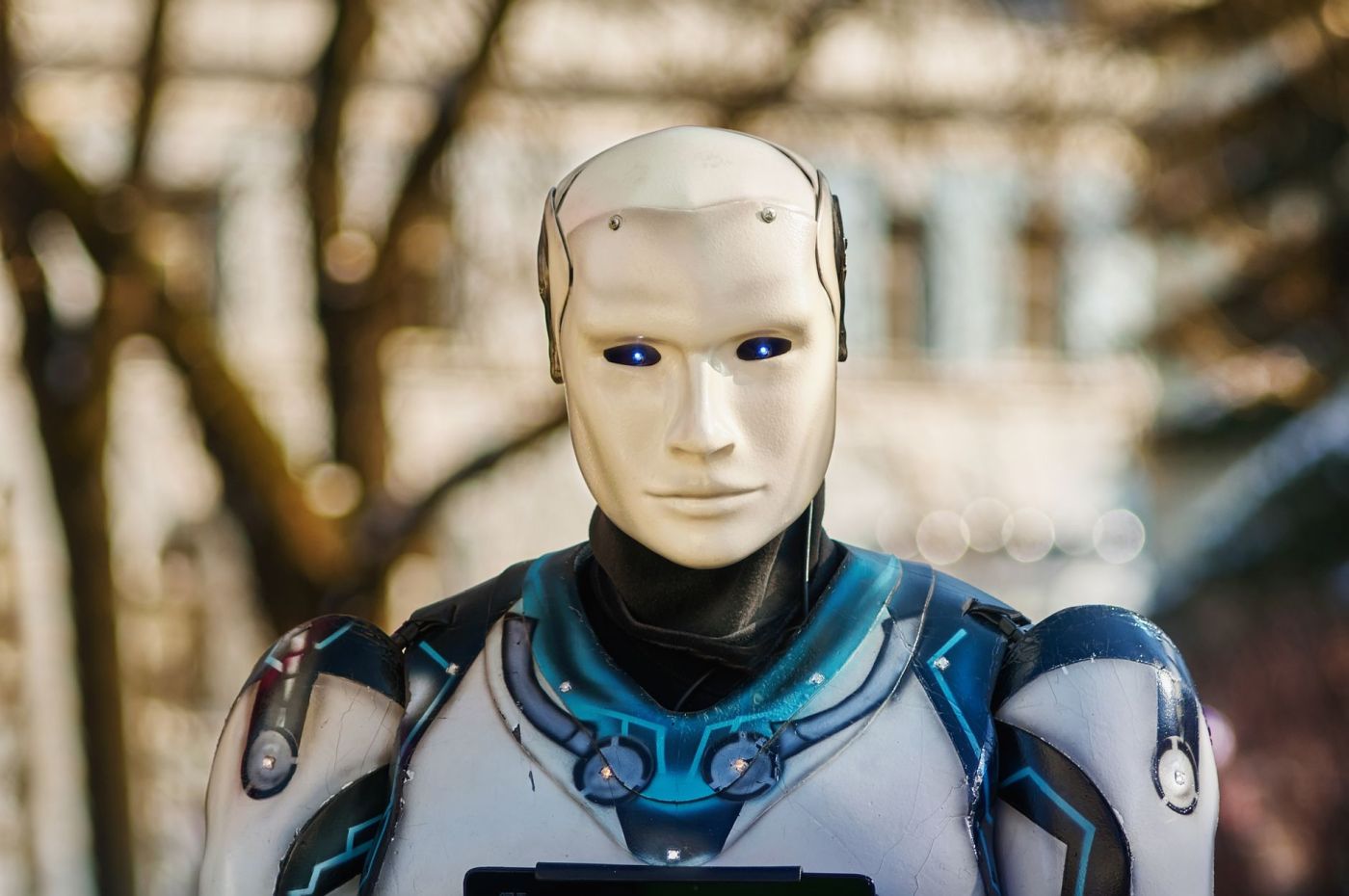
A new frontier is now emerging: Physical AI. Unlike traditional AI, Physical AI enables machines to understand, navigate, and interact with the real world. It combines artificial intelligence with robotics, sensors, cameras, and advanced computing to help machines make decisions based on their surroundings.
How Physical AI Works
For a robot to function effectively in the real world, it must be able to see, understand, and respond to its environment.
Cameras and sensors collect information about the surroundings. AI models then analyse this information to identify objects, recognize patterns, and determine appropriate actions. The machine can then move, manipulate objects, or perform tasks based on what it has learned.
In simple terms, Physical AI gives robots a form of situational awareness, allowing them to adapt to changing conditions rather than following fixed instructions.
Real-World Applications
Physical AI is already finding applications across multiple industries.
In manufacturing, intelligent robots can assist with assembly, inspection, and material handling. In warehouses, autonomous machines help sort and transport goods. In healthcare, robotic systems support surgeries and patient care. Agriculture is also benefiting from AI-powered machines that can monitor crops and optimise farming activities.
These technologies are helping improve efficiency, reduce repetitive work, and enhance operational accuracy.
Challenges That Remain
Despite significant progress, Physical AI is still developing. The real world is far more complex and unpredictable than a controlled digital environment.
Robots must be able to handle unexpected situations, avoid obstacles, operate safely around people, and make reliable decisions. Achieving this level of intelligence requires advanced hardware, powerful computing systems, and large amounts of training data.
Safety, regulation, and energy consumption also remain important considerations as adoption increases.
The Road Ahead
Many experts believe that Physical AI could become the next major phase of artificial intelligence. Just as smartphones transformed access to information, intelligent machines may transform how physical work is performed.
While fully autonomous robots are still evolving, the combination of AI, robotics, and advanced sensors is bringing us closer to a future where machines can understand and interact with the world around them. The rise of Physical AI is not simply about smarter robots, it is about creating systems that can work alongside humans in increasingly meaningful ways.
 Lateral Thinking
Leave a comment