
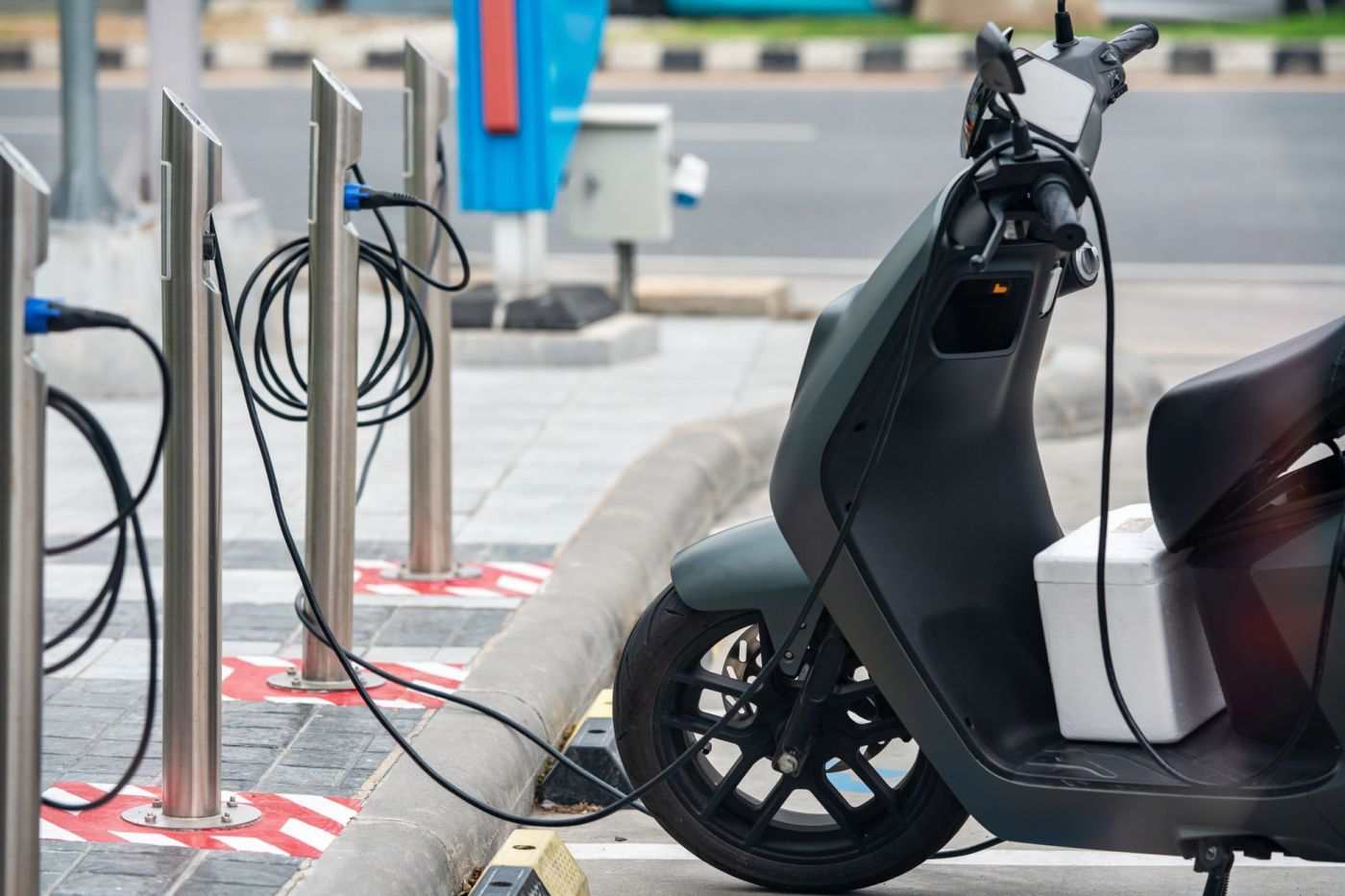
Fixed battery EVs work best when users can charge at home or at dedicated parking spots. This model is widely adopted by companies.
They make sense when:
- Users have predictable daily travel and charging access
- Range needs are moderate and consistent
- Ownership cost efficiency is a priority over convenience speed
The advantage lies in better battery optimization, higher energy efficiency, and stronger integration with vehicle software. Over time, this leads to lower cost per km and better battery lifecycle management.
However, the limitation is clear – charging downtime. Even with fast charging, it may not suit high utilization commercial riders.
Battery swapping becomes attractive when uptime matters more than ownership simplicity. Companies like and global player have built strong ecosystems around this model.
It makes sense when:
- Vehicles run continuously (delivery, ride-hailing, logistics)
- Downtime must be minimized to seconds, not hours
- Fleet operators want predictable energy costs without owning batteries
Swapping stations act like “energy refueling points,” enabling near-zero waiting time. This improves vehicle utilization rates significantly, especially in dense urban delivery networks.
The Real Breakpoint: Usage Pattern, Not Technology
The choice between fixed and swappable batteries is not about superiority – it’s about operational context.
- Fixed battery wins for personal users and low-utilization vehicles
- Swapping wins for high-frequency, commercial, and fleet-heavy usage
In practice, both models will continue to coexist.
The EV ecosystem is moving toward a hybrid future where infrastructure density, user behavior, and financing models determine what works best – not just the battery itself.


Leave a Reply