
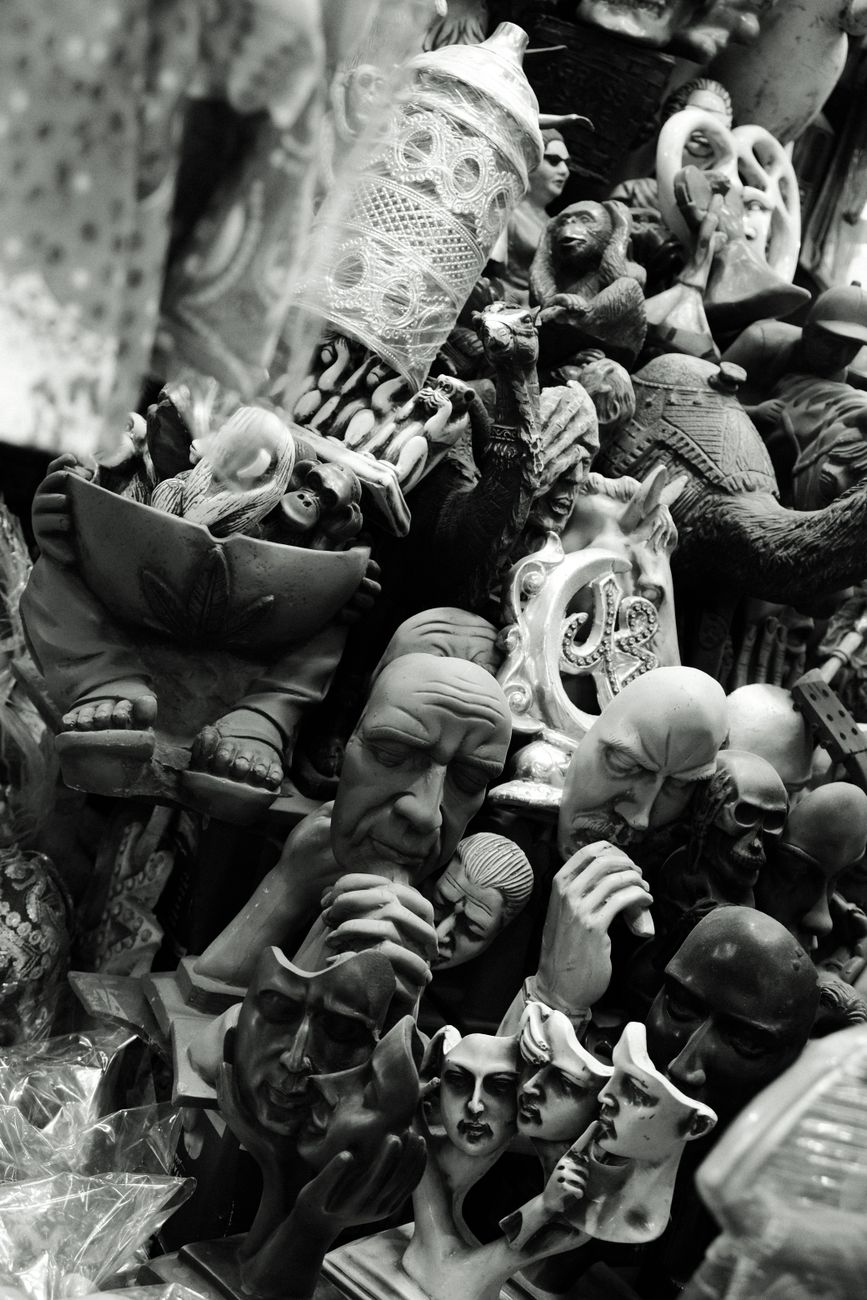
Introduction
The human mind has a natural tendency to return to familiar patterns. This is not random, it is how the brain tries to save energy and create predictability. When we repeat a thought, decision, or reaction, the brain strengthens those neural pathways, making them easier to access the next time. Over time, what starts as a simple response becomes a default pattern.
This is why people often find themselves reacting the same way in similar situations, even when they consciously want to change.
Is it a Behavioral Trait or a Habit?
Repetitive mental patterns sit somewhere between behavior and habit. A behavioral trait is more stable and linked to personality, while a habit is learned through repetition and reinforcement.
Most recurring mental loops, like overthinking, avoidance, or quick emotional reactions, are actually habits formed over time. They feel automatic, but they are not fixed traits. The confusion happens because once a habit is deeply ingrained, it starts to feel like “this is just how I am.”
In reality, it is often just “this is what I have practiced most.”
Why the Brain Clings to Familiar Patterns
The brain prefers familiarity because it reduces uncertainty. Known patterns feel safer, even if they are not helpful.
This is linked to how the brain processes risk and reward – predictable outcomes require less mental effort and feel less threatening.
Even negative patterns can persist simply because they are familiar.
For example, worrying repeatedly may feel uncomfortable, but it is still “known territory” for the mind.
Can These Patterns Be Changed?
Yes, they can be changed, but not instantly. Since these patterns are built through repetition, they can also be reshaped through consistent new repetition.
Awareness is the first step – recognizing the pattern when it appears.
The next step is small interruption: choosing a different response, even slightly different, creates a new pathway over time.
The mind does not erase old patterns – it overwrites them with new ones.
With patience and consistency, what once felt automatic can gradually shift into something more intentional.


Leave a Reply