
Introduction
Electricity grids were originally built for a simple model: large power plants generate electricity and send it in one direction to consumers. This system worked for decades, but it is no longer sufficient.
With renewable energy, electric vehicles, rooftop solar, and data-heavy industries, power flow is now dynamic and unpredictable.
A smart grid uses digital technology and AI to manage this complexity in real time, making electricity networks more flexible, efficient, and reliable.
Why AI Is Becoming the Brain of Modern Power Systems
Artificial Intelligence is at the center of grid modernization. AI models can forecast electricity demand by analyzing patterns such as weather, human activity, and industrial usage.
At the same time, they can predict renewable energy output from solar and wind sources, which are naturally variable.
By balancing these two sides, AI helps grid operators prevent shortages, reduce wastage, and maintain stability even under fluctuating conditions.
Smart Meters, Sensors, and Edge Computing in Action
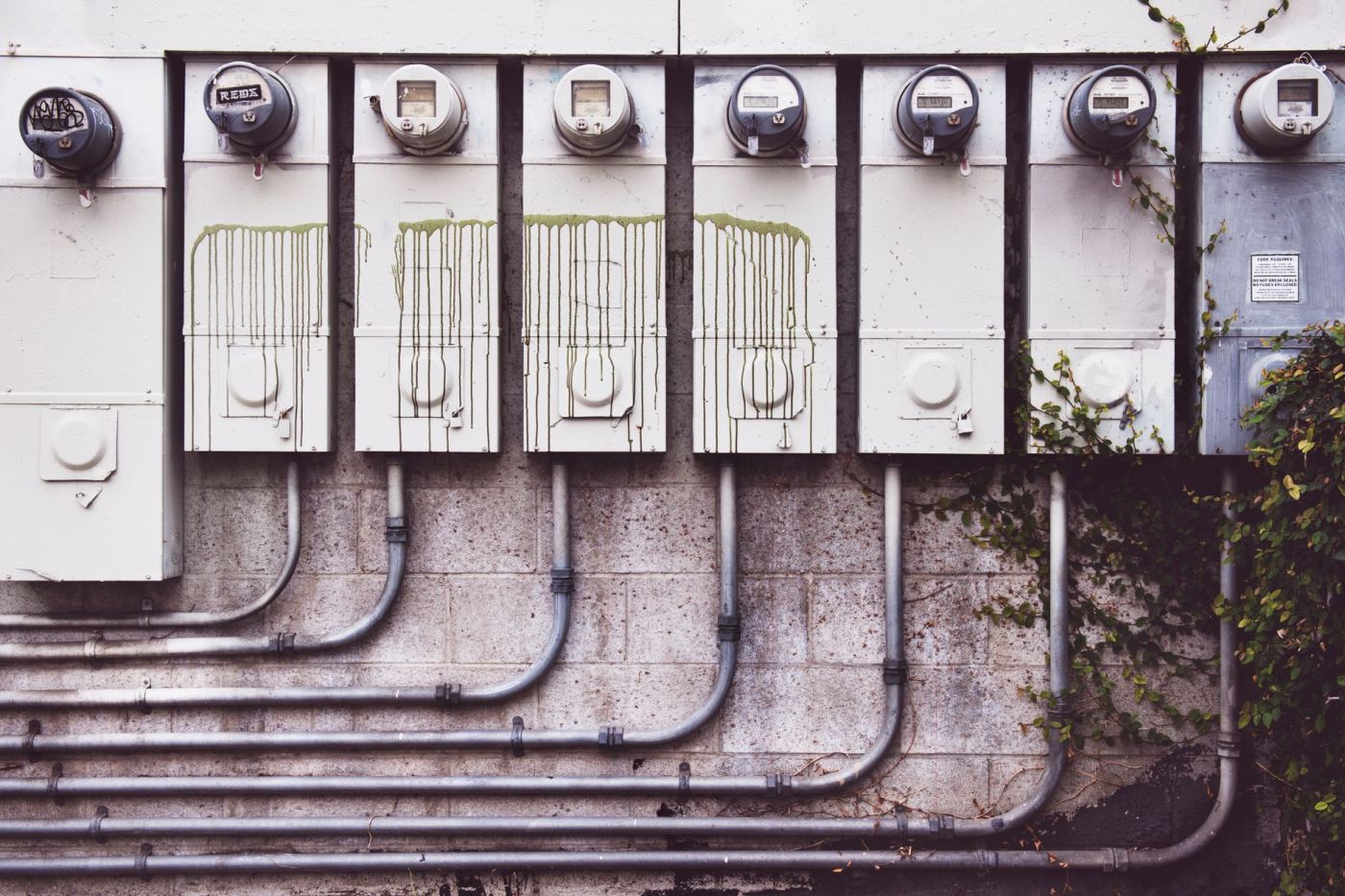
Modern grids rely on millions of smart devices. Smart meters track real-time energy consumption at homes and businesses, while sensors across transmission lines monitor voltage, frequency, and faults.
Edge computing enables fast local decision-making, reducing delays in response.
Together, these technologies feed continuous data into AI systems that optimize grid performance second by second.
Integrating Solar, Wind, Batteries, and EVs
One of the biggest challenges for energy systems is integrating distributed energy sources. Solar panels on rooftops, wind farms in remote areas, battery storage systems, and electric vehicles all act as both consumers and suppliers of electricity.
AI-driven grids coordinate these assets, deciding when to store energy, when to release it, and how to route power efficiently across regions.
Cybersecurity and Grid Resilience Challenges
As electricity networks become more digital, they also become more vulnerable.
Cyberattacks, system failures, and data breaches can disrupt entire regions. Building resilient smart grids requires strong encryption, continuous monitoring, and AI-based threat detection systems that can respond instantly to anomalies and prevent cascading failures.
Investment Outlook – The Future of Energy Infrastructure
Grid intelligence is becoming a major investment theme globally. Opportunities are growing in power electronics, energy software platforms, battery management systems, and AI-based forecasting tools.
As countries push toward decarbonization, intelligent electricity networks will form the backbone of economic growth, clean energy adoption, and long-term energy security.
 Lateral Thinking
Leave a comment