Introduction
India is one of the world’s largest automobile markets, but its dependence on petrol and diesel vehicles has created challenges related to air pollution, crude oil imports, and greenhouse gas emissions.
Electric vehicles (EVs) offer an opportunity to transform transportation by reducing fossil fuel dependence while creating new industries around batteries, charging infrastructure, and clean technology.
Recognising this opportunity, the Government of India has introduced multiple policies to accelerate EV adoption.
The NITI Aayog’s e-AMRIT portal provides a consolidated overview of India’s EV ecosystem, including policies, incentives, technologies, and investment opportunities.
Building the Foundation: From FAME to PM E-DRIVE
The foundation of India’s EV journey was laid through the Faster Adoption and Manufacturing of Hybrid and Electric Vehicles (FAME) scheme launched in 2015.
The second phase of FAME (FAME-II), introduced in 2019, focused on supporting electric two-wheelers, three-wheelers, buses, and charging infrastructure with a budget allocation of approximately ₹10,000 crore.
The policy approach has evolved from only encouraging vehicle purchases to building an entire ecosystem.
The recently introduced PM Electric Drive Revolution in Innovative Vehicle Enhancement (PM E-DRIVE) scheme aims to further accelerate EV adoption by supporting electric two-wheelers, three-wheelers, buses, ambulances, trucks, and charging infrastructure.
Success factor: Government incentives helped reduce the initial cost barrier and created confidence among consumers and automobile manufacturers.
Strengthening Domestic Manufacturing and Battery Ecosystem
A successful EV transition requires more than importing electric vehicles.
India’s policies focus on developing domestic manufacturing capabilities through initiatives such as the National Mission on Transformative Mobility and Battery Storage and Production Linked Incentive (PLI) schemes.
The objective is to localise production of
1) Batteries, cells
2) Power electronics, and
3) Other critical components.
This approach supports the “Make in India” vision while reducing dependence on global supply chains.
Success factor: India has witnessed rapid growth in electric two-wheelers, three-wheelers, and investments by automotive companies entering the EV space.
Challenges: The Roadblocks Ahead
Despite significant progress, several challenges remain like
1) Upfront cost of EVs, especially passenger cars, remains higher than conventional vehicles
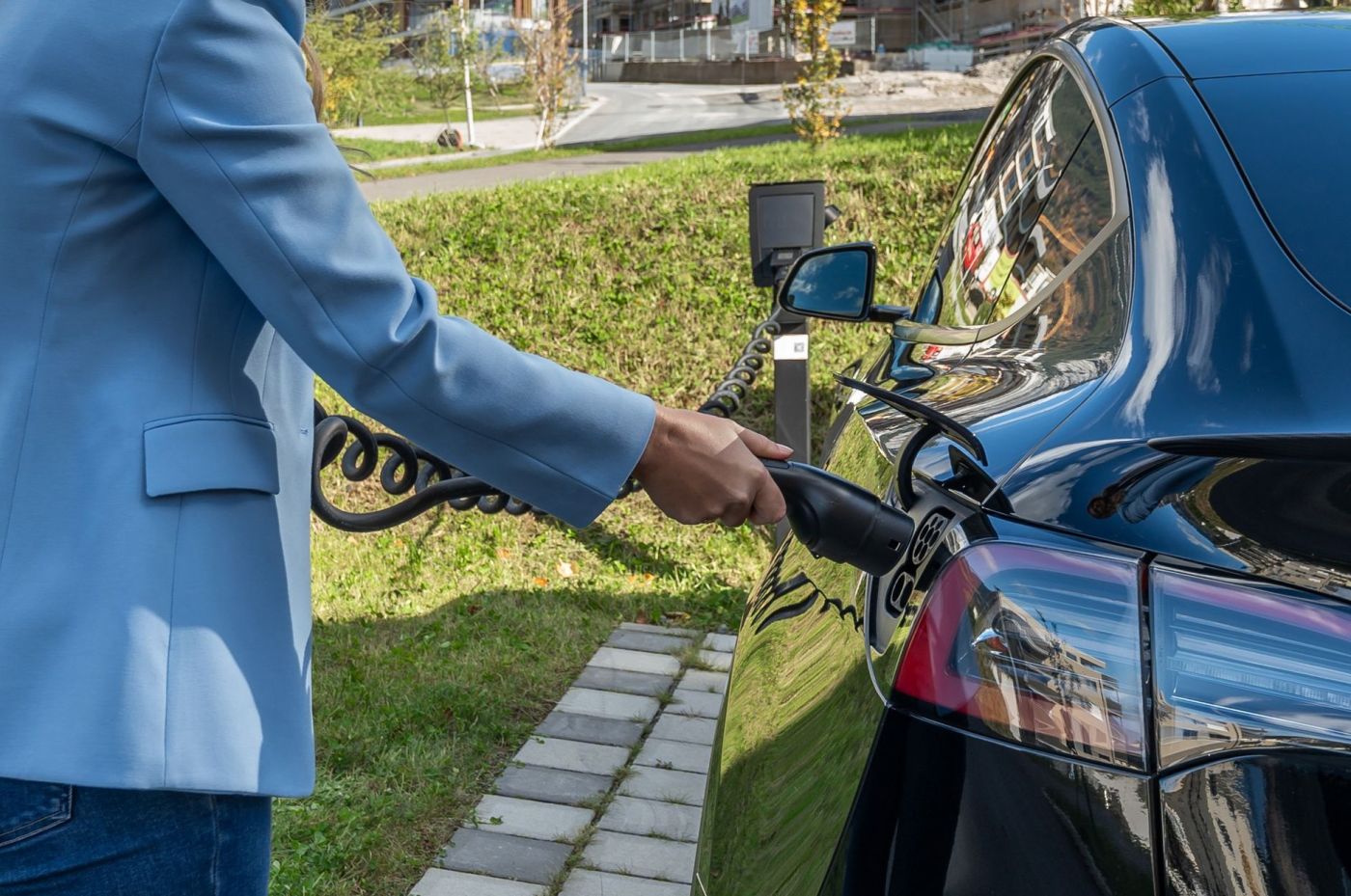
2) Limited charging infrastructure
3) Concerns around battery life, and
4) Availability of financing to continue
5) Battery manufacturing also remains dependent on imported critical minerals such as lithium, cobalt, and nickel. Developing recycling capabilities and alternative battery technologies will be important for long-term sustainability.
6) Ensuring that the electricity used for charging becomes cleaner. EVs reduce tailpipe emissions, but the overall environmental benefit increases significantly when powered by renewable energy
The Road Ahead: Creating a Complete EV Ecosystem
The future of India’s EV transition will depend on moving beyond subsidies towards a comprehensive mobility ecosystem which includes widespread charging networks, battery swapping solutions, electric public transport, fleet electrification, and stronger recycling systems.
Future policies are expected to focus more on high-impact segments such as buses, taxis, logistics vehicles, and commercial fleets where electrification can deliver maximum environmental and economic benefits.
NITI Aayog has highlighted the importance of expanding charging infrastructure, strengthening domestic battery manufacturing, and promoting zero-emission mobility solutions.
India’s EV journey is no longer just about replacing petrol vehicles with electric ones. It represents a larger transformation involving energy security, industrial growth, climate action, and the creation of new green jobs. The success of this transition will depend on collaboration between government, industry, consumers, and technology innovators.
References for Further Reading
- NITI Aayog e-AMRIT Portal – National Level EV Policies
- NITI Aayog – e-AMRIT Electric Mobility Initiative
- Ministry of Heavy Industries – PM E-DRIVE Scheme Details
- NITI Aayog – Transformative Mobility and Clean Transport Roadmap


Leave a Reply