Introduction
Helium-3 (³He) is a rare, non-radioactive isotope of helium containing two protons and one neutron. Unlike the more common helium-4, which has two neutrons, helium-3 is exceptionally scarce on Earth. It is produced in tiny quantities through the radioactive decay of tritium and is also carried to Earth by the solar wind. Scientists consider helium-3 one of the most valuable strategic resources because of its potential applications in clean energy, quantum technology, medical imaging, and national security.
What Makes Helium-3 Unique?
The defining characteristic of helium-3 is its ability to undergo nuclear fusion while producing significantly fewer neutrons than conventional deuterium-tritium fusion reactions. This could reduce radioactive waste and minimise damage to reactor materials, making helium-3 an attractive long-term fuel for fusion power.
Helium-3 also exhibits remarkable quantum properties at extremely low temperatures. It becomes a superfluid below a few thousandths of a degree above absolute zero, enabling cutting-edge research in quantum physics. Furthermore, it is highly effective in detecting neutrons, making it valuable for border security, nuclear safeguards, and scientific instrumentation.
Why is Helium-3 Highly Sought After?
Although commercial fusion power remains under development, helium-3 is already indispensable in several high-value applications. It is used in cryogenics to cool quantum computers and superconducting magnets, in neutron detectors for nuclear security, and in specialised medical imaging, particularly hyperpolarised lung MRI. Growing investments in fusion energy and quantum technologies have significantly increased global interest in securing reliable helium-3 supplies.
Its rarity also adds to its strategic importance. Global annual production is only a few kilograms, making helium-3 one of the world’s scarcest industrial gases.
Where is Helium-3 Found and How is it Extracted?
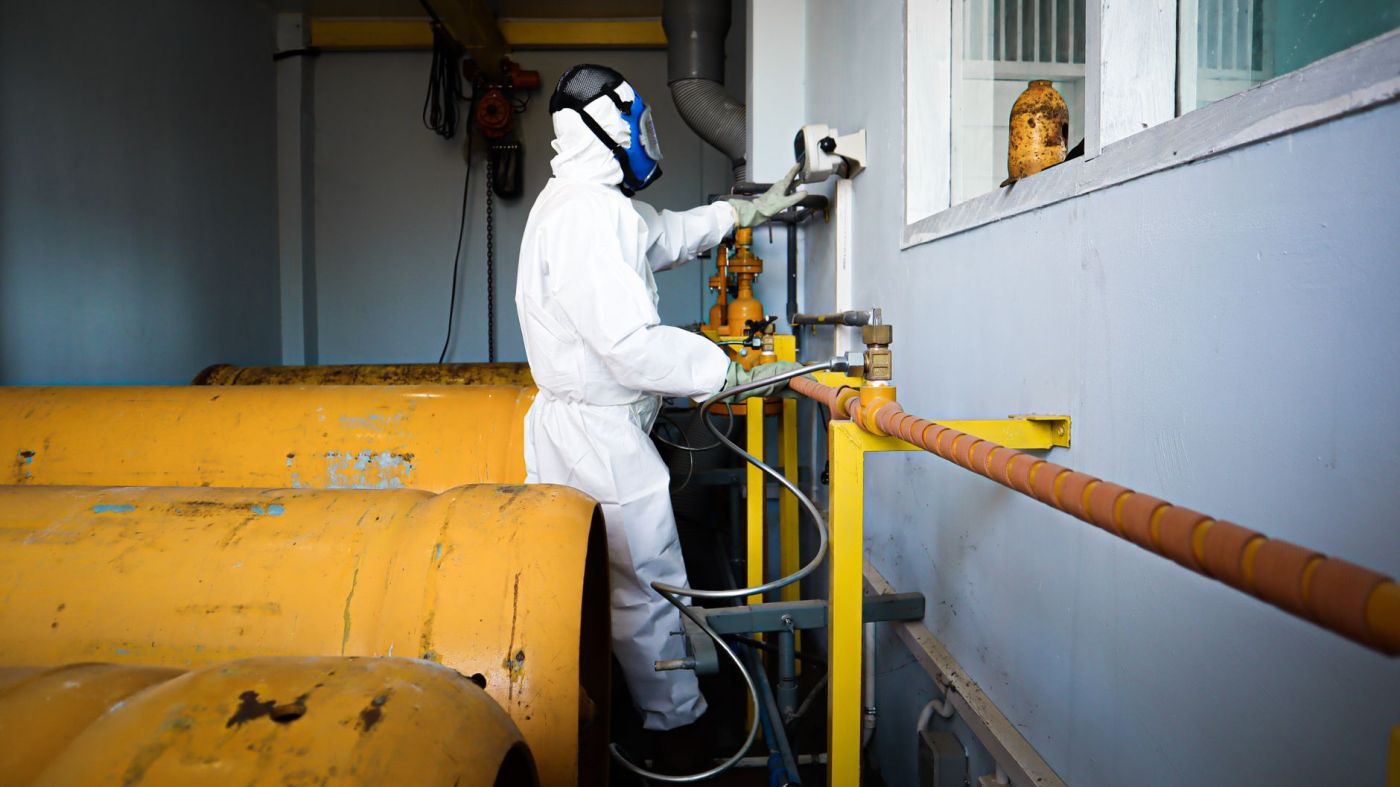
On Earth, helium-3 occurs naturally in extremely small concentrations within natural gas reservoirs and is generated through the decay of tritium used in nuclear weapons and some nuclear reactors. Today, the primary commercial source is the recovery of helium-3 from ageing tritium stockpiles, followed by purification using cryogenic separation techniques.
Scientists also believe the Moon contains substantial helium-3 deposits embedded within its surface soil (regolith), accumulated over billions of years from the solar wind. Estimates suggest the lunar surface may contain hundreds of thousands to over a million tonnes of helium-3, although economically viable extraction remains a future prospect. Proposed methods involve mining lunar regolith, heating it to around 600–900°C to release trapped gases, and separating helium-3 from other volatile compounds. Several national space agencies and private companies are studying these technologies as part of long-term lunar exploration and resource utilisation missions.
Looking Ahead
While helium-3 is unlikely to become a mainstream energy source in the immediate future, its strategic significance continues to grow. As advancements in fusion energy, quantum computing, and space exploration accelerate, helium-3 is emerging as a resource that could shape the future of advanced technology. Nations investing in lunar exploration and next-generation energy systems increasingly view helium-3 not merely as a scientific curiosity, but as a potential cornerstone of tomorrow’s innovation economy.
References
- Kulcinski, G. L. (University of Wisconsin Fusion Technology Institute). Helium-3 Fusion Fuel: An Alternative for the Future.
- National Academies of Sciences. An Assessment of Helium-3 Resources and Extraction Technology.
- International Atomic Energy Agency (IAEA). Fusion Physics.
- NASA. Artemis Program and In-Situ Resource Utilisation (ISRU) Research.
- European Space Agency (ESA). Lunar Resources and Future Exploration.
- J. Rand McNally et al. The Lunar Sourcebook: A User’s Guide to the Moon. Cambridge University Press.
- Wittenberg, L. J., Santarius, J. F., & Kulcinski, G. L. “Lunar Source of Helium-3 for Commercial Fusion Power.” Fusion Technology.


Leave a Reply