
Introduction
Plastic recycling has always faced a difficult challenge: not all plastics are created equal.
While bottles made from PET or HDPE can be mechanically recycled, mixed plastics, multilayer packaging, contaminated waste and flexible films often end up in landfills or incineration.
This limitation has increased interest in chemical recycling – a technology that aims to break plastics back into their basic chemical building blocks and create new materials.
What is Chemical Recycling?
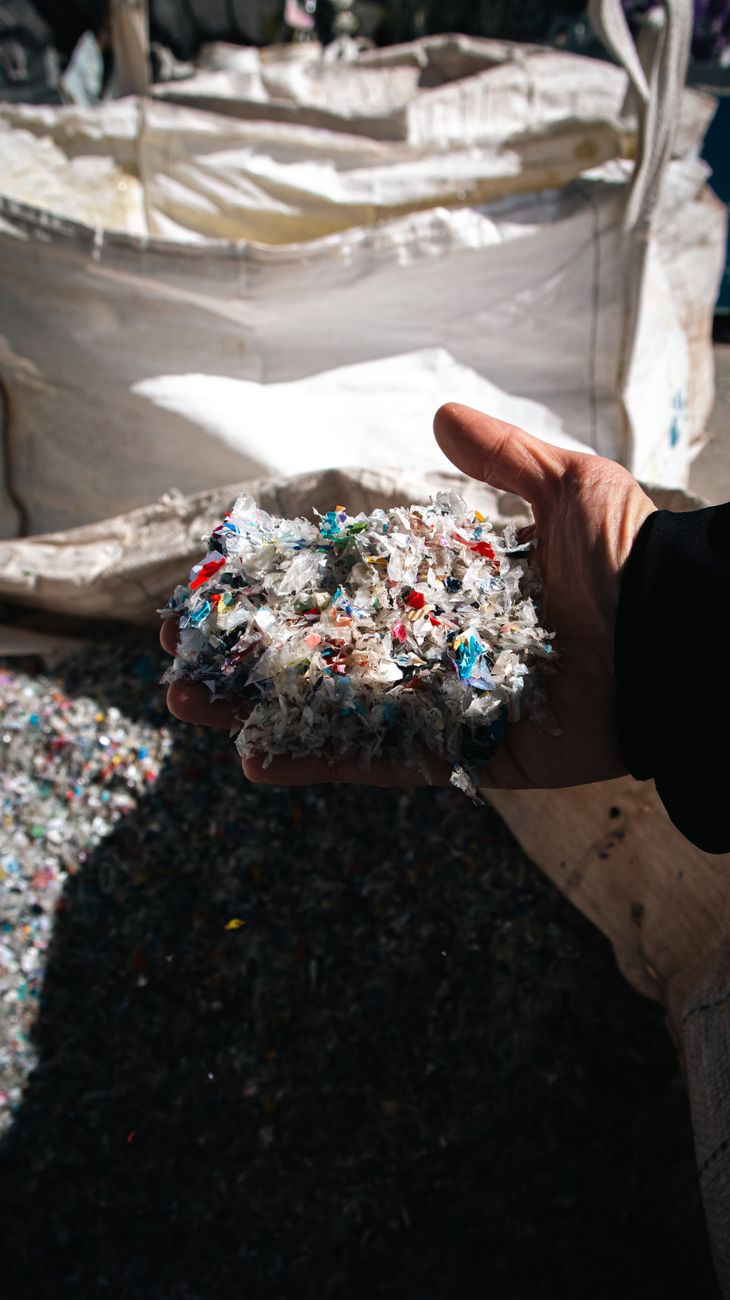
Unlike mechanical recycling, where plastic is washed, shredded and remoulded, chemical recycling changes the structure of the polymer itself.
Technologies such as pyrolysis, gasification, dissolution and depolymerisation convert plastic waste into oils, gases, monomers or chemical feedstocks that can potentially be used to manufacture new plastics.
The biggest attraction is the possibility of closed-loop recycling.
For example, PET bottles can be broken down into their original chemical components and rebuilt into new PET with similar quality, avoiding the “downcycling” problem seen in conventional recycling.
Why Has Chemical Recycling Gained Attention?
Global plastic production has crossed 400 million tonnes annually, while only a small fraction of plastic waste is recycled. Around 9% of global plastic waste has historically been recycled, with the majority ending up in landfills, incineration or the environment.
The rise of e-commerce, flexible packaging and multilayer plastics has made traditional recycling more difficult. Chemical recycling offers a pathway for handling some of these complex waste streams that are currently difficult to process.
For industries such as food packaging, automotive and electronics, where recycled material quality and safety standards are critical, chemical recycling could provide access to recycled polymers closer to virgin material quality.
The Challenges Ahead
Despite its potential, chemical recycling is not a magic solution.
Many projects are still at an early commercial stage and face challenges related to high energy consumption, economic viability, feedstock quality and environmental impact.
One major debate is whether all chemical recycling processes truly create new plastics or simply convert waste into fuels. Environmental groups have raised concerns that some pyrolysis-based systems may result in plastic-derived fuels, which do not solve the long-term plastic pollution problem.
Another challenge is cost.
Collecting, sorting and preparing plastic waste remains expensive. Without strong waste management systems, even advanced recycling technologies struggle to secure consistent feedstock.
The Future: A Combination Approach
The future of plastic management will likely not depend on a single technology.
Reduce, reuse, better product design, mechanical recycling and chemical recycling will all have roles.
Chemical recycling should be viewed as a tool for difficult-to-recycle plastics rather than a replacement for reducing unnecessary plastic consumption.
With improvements in technology, renewable energy integration and stronger regulations, it could become an important part of building a circular plastics economy.
The question is not whether chemical recycling can solve the plastic crisis alone, it cannot. The real question is how effectively it can complement other solutions to keep valuable materials in circulation.
References for Further Reading
- Chemistry World – Where does chemical recycling of plastics go from here?
- Royal Society of Chemistry – Fundamental, technical and environmental overviews of plastic chemical recycling
- Chemistry World – How depolymerisation could enable infinite reuse of plastics and the circular economy
- OECD – Global Plastics Outlook: Economic Drivers, Environmental Impacts and Policy Options
- UNEP – Turning off the Tap: How the world can end plastic pollution and create a circular economy


Leave a Reply