Introduction
For decades, lithium-ion batteries have powered everything from smartphones to electric cars and grid-storage systems. But lithium batteries come with challenges: dependence on critical minerals, complex supply chains and significant manufacturing concentration in China.
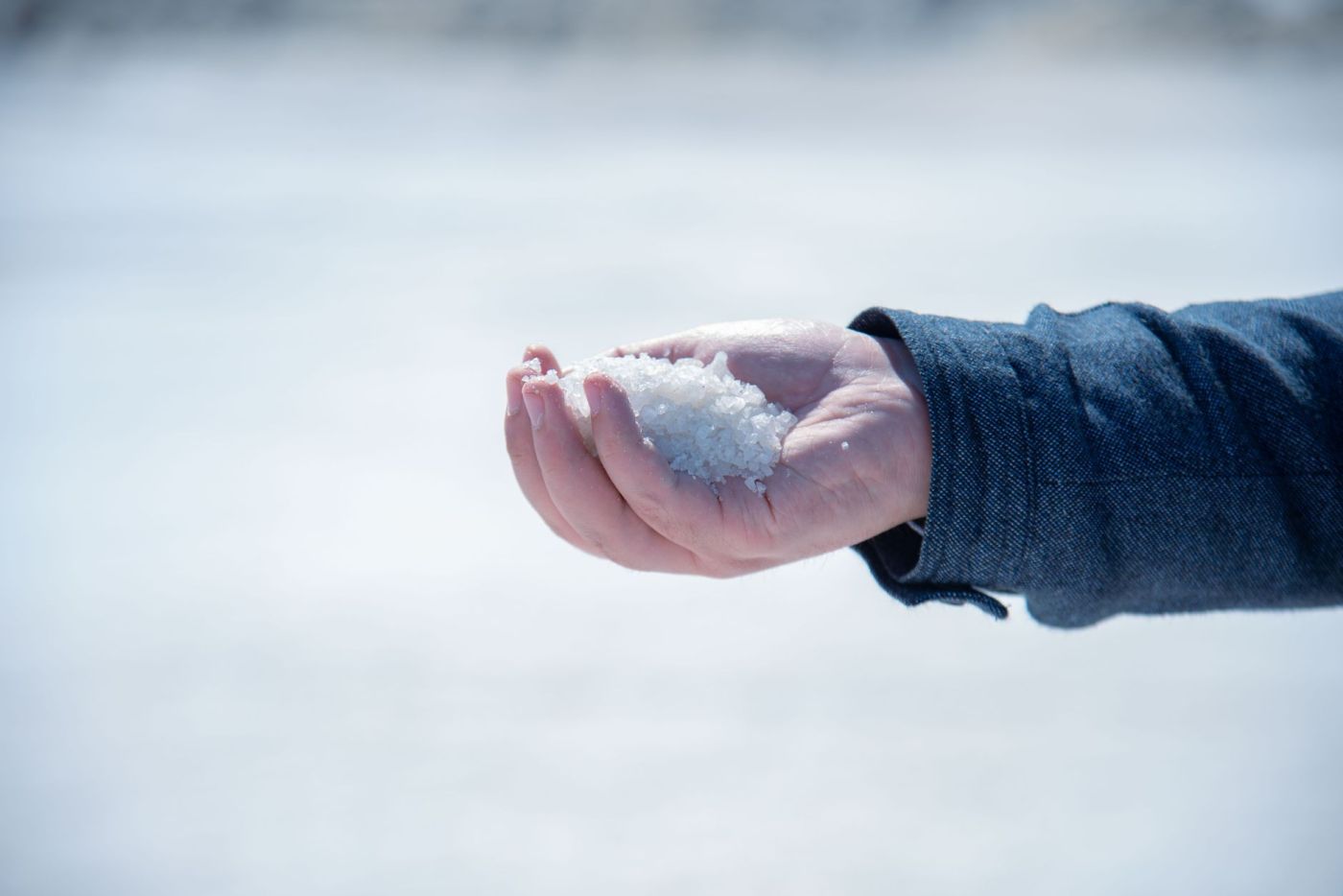
A new generation of startups believes sodium-ion batteries could offer an alternative. Sodium—the key element in ordinary salt—is far more abundant and widely distributed than lithium.
Meet Peak Energy
One of the startups at the centre of this emerging market is Peak Energy, founded by former Tesla engineers. Instead of competing directly with lithium batteries in electric vehicles, Peak is focusing on stationary energy storage—the large batteries needed to store electricity for grids, renewable-energy projects and data centres.
The company plans to establish a 183,000-square-foot battery-pack factory in Sacramento, California, with production targeted for 2027 and an annual capacity of about 4 GWh. It has also announced more than $1.1 billion in customer deals, including agreements involving Jupiter Power, Energy Vault and RWE Americas.
Why Sodium-Ion Batteries Matter
The biggest advantage is the availability of raw materials. Sodium does not face the same resource constraints as lithium and can reduce dependence on minerals such as nickel and cobalt.
Sodium-ion batteries can also offer better safety, lower cooling requirements and good performance in stationary applications. This makes them particularly attractive for storing solar and wind power, where weight is less important than cost, safety and reliability.
But It Is Not a Lithium Replacement Yet
There is an important limitation: sodium is heavier, and sodium-ion batteries generally have lower energy density than lithium-ion batteries. That makes them less attractive for applications where weight matters, particularly long-range electric vehicles.
The more immediate opportunity is therefore grid-scale storage. As renewable electricity grows, affordable batteries will be needed to store power when the sun is shining or wind is blowing and release it when demand rises.
The Bigger Race Is About Manufacturing
The irony is that sodium-ion technology may reduce dependence on Chinese raw materials while China is already moving aggressively to manufacture sodium-ion batteries at scale.
That means the real challenge for startups such as Peak Energy is not simply inventing a better battery. It is building competitive manufacturing capacity quickly enough.
If they succeed, salt-based batteries could become an important piece of a more diversified, safer and potentially cheaper global energy-storage system.


Really thorough breakdown on Salt Could Change the Battery Race. The analysis provides practical clarity on key developments and future implications.
LikeLike