Background
A tokamak is a machine designed to harness nuclear fusion, the same fundamental process that powers the Sun.
Unlike conventional nuclear power plants, which generate energy by splitting heavy atoms through nuclear fission, fusion attempts to release energy by combining light atomic nuclei, typically isotopes of hydrogen. When these nuclei fuse, a small amount of mass is converted into a large amount of energy.
Working of the Reactor
The tokamak provides the extreme conditions required for this process. Its name comes from a Russian acronym describing a toroidal, or doughnut-shaped, chamber with magnetic coils.
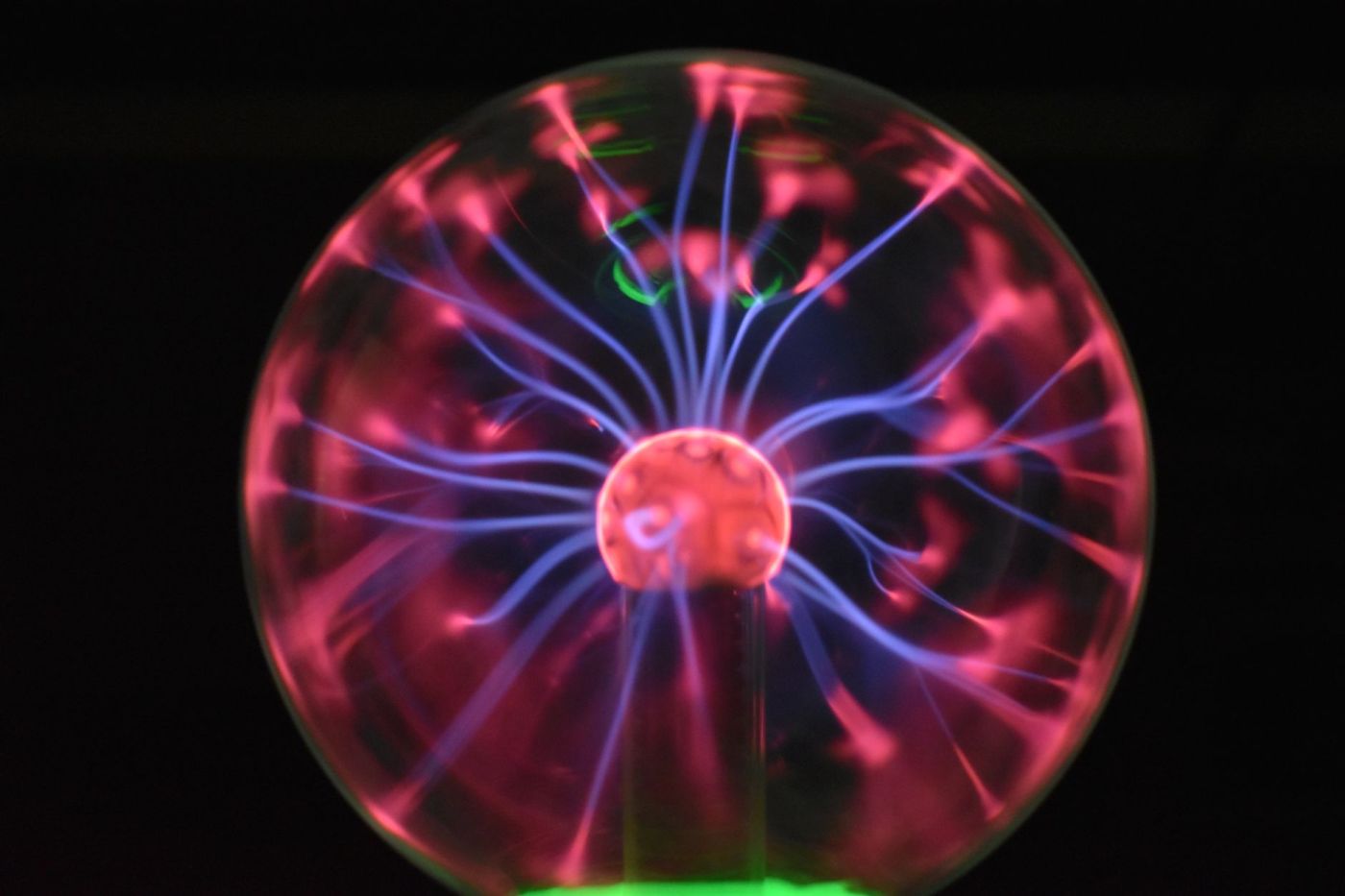
Inside the chamber, hydrogen fuel is heated to extraordinarily high temperatures until it becomes plasma, an electrically charged state of matter.
At fusion temperatures (typically around 100–150 million°C for deuterium-tritium fusion) the plasma cannot be allowed to touch the machine’s walls. Instead, powerful magnetic fields hold and shape the plasma inside the chamber.
The basic challenge is therefore twofold:
- Create extremely hot plasma
- Keep plasma stable and confined long enough for fusion to occur
This challenge is addressed using sophisticated magnets, vacuum systems, heating technologies, sensors and control systems.
If fusion is successfully sustained, the energy released can ultimately be converted into heat and then electricity.
Relevance for India
India has now entered an important new phase of this global effort.
Bengaluru-based Pranos Fusion has developed PRAGYA, described as India’s first privately built fusion tokamak.
PRAGYA is not yet a fusion-power reactor, rather it is a testbed for plasma control and tokamak technology.
According to Pranos, it is a low-aspect-ratio, medium-scale tokamak integrating advanced plasma-control capabilities and high-temperature superconducting magnet technology.
The company’s longer-term ambition is to develop Praniq, a larger fusion reactor intended to demonstrate net energy gain.
This distinction is important: building a tokamak is itself a major engineering achievement, but a commercially useful fusion reactor must go much further into sustaining fusion, managing enormous heat and neutron loads, operating reliably and ultimately producing more usable energy than the overall system consumes.
Path Forward
Tokamaks therefore represent one of the leading technological pathways towards low-carbon fusion energy.
Projects such as ITER and national fusion programmes are working on similar challenges, while private companies are developing smaller and potentially more commercially scalable approaches.
India’s emergence of private tokamak development through PRAGYA signals growing domestic capability in this highly advanced field.
References / Further Reading
ThePrint – Bengaluru startup builds India’s 1st private nuclear fusion tokamak
Pranos Fusion – Official website and technology overview


Leave a Reply