
Introduction
When discussing data centres, one figure appears repeatedly: GW (gigawatts). At first glance, this can seem unusual. Data centres are buildings filled with servers, so why is their capacity discussed in the same unit used for power plants?
The answer is simple: data centres are becoming major consumers of electricity.
Data Centres Are Power-Intensive Infrastructure
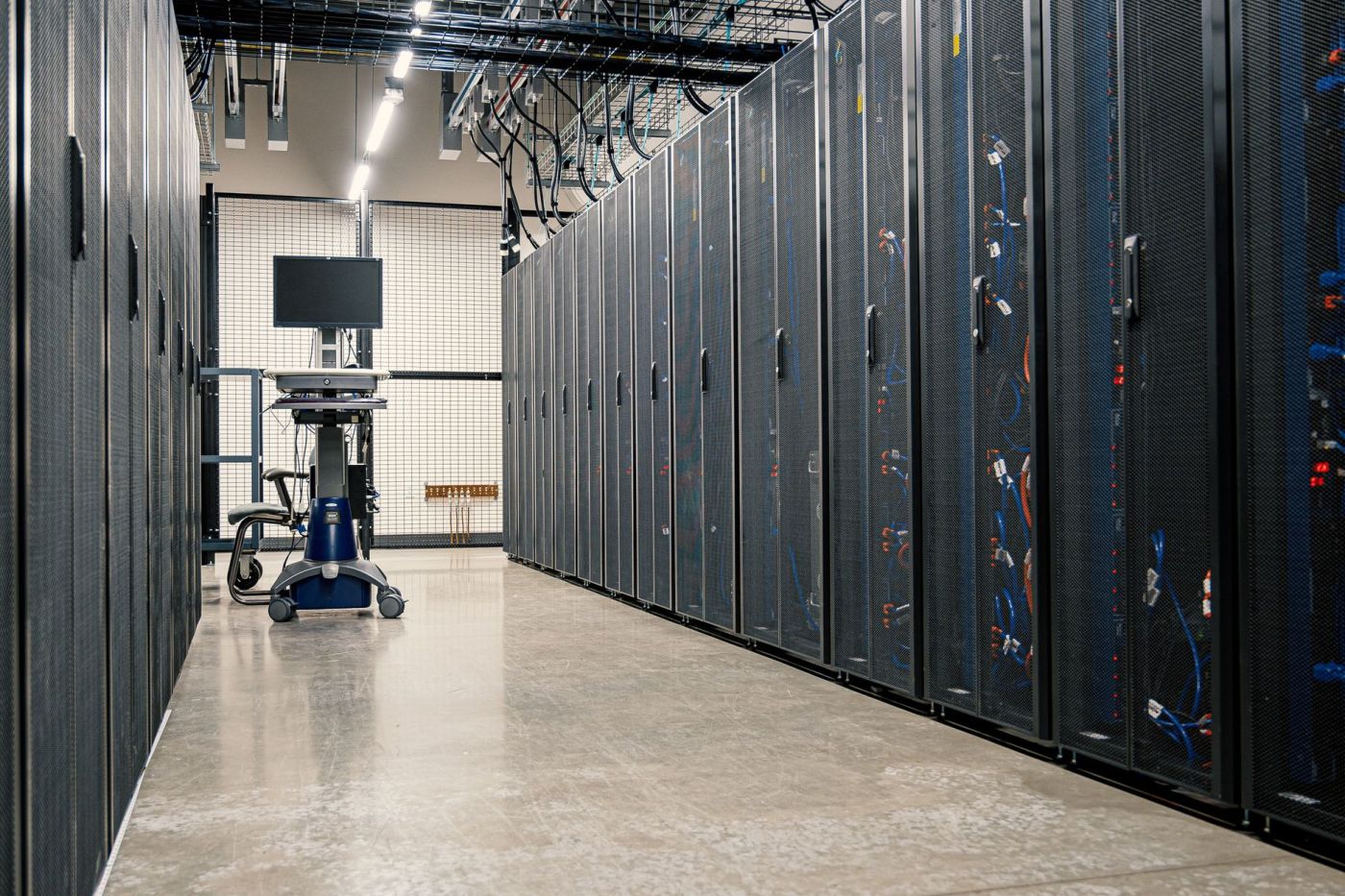
A data centre houses thousands of servers that process and store digital information. These servers operate continuously and require electricity not only for computing but also for cooling, networking, backup systems and other infrastructure.
The electricity demand of a large data-centre campus can therefore reach hundreds of megawatts (MW). A cluster of facilities can collectively require multiple gigawatts (GW) of power.
For perspective, 1 GW = 1,000 MW. A 1-GW data-centre cluster, therefore, represents a very substantial electricity load.
AI Is Changing the Equation
The rapid growth of artificial intelligence has made the relationship between data centres and power even more important.
AI models require large numbers of high-performance GPUs and other accelerators. These chips consume considerably more electricity than conventional computing infrastructure. Moreover, AI workloads often operate at high utilisation levels.
This means that the discussion is increasingly shifting from simply asking “How much data-centre space is being built?” to “How much power will these data centres require?”
Why GW Matters to Investors and Governments
A data-centre announcement mentioning 500 MW or 1 GW is essentially also a statement about future electricity demand.
For power companies, this creates an opportunity for additional generation and long-term electricity contracts. For transmission and distribution companies, it means new grid infrastructure may be required. Renewable-energy developers can also benefit as data-centre operators seek reliable, low-carbon electricity.
For governments, however, rapid data-centre expansion creates another challenge: can the local electricity grid supply the required power reliably?
GW Is Becoming a Measure of Digital Infrastructure
This is why data centres are increasingly discussed in GW rather than just square metres, server numbers or storage capacity.
The digital economy ultimately has a physical requirement: electricity. As cloud computing, AI, streaming and digital services expand, the infrastructure supporting them becomes increasingly power-intensive.
In this sense, a 1-GW data-centre pipeline is not merely a technology story; it is also a power, infrastructure and investment story.


Leave a Reply