Introduction
Note: This post uses the video How to Start Bio CNG Manufacturing Business | Industrial Tour as a primary reference. The content below is intended to provide ideas and a conceptual starting point for entrepreneurs interested in the Waste-to-Wealth segment.
The Opportunity in Green Energy
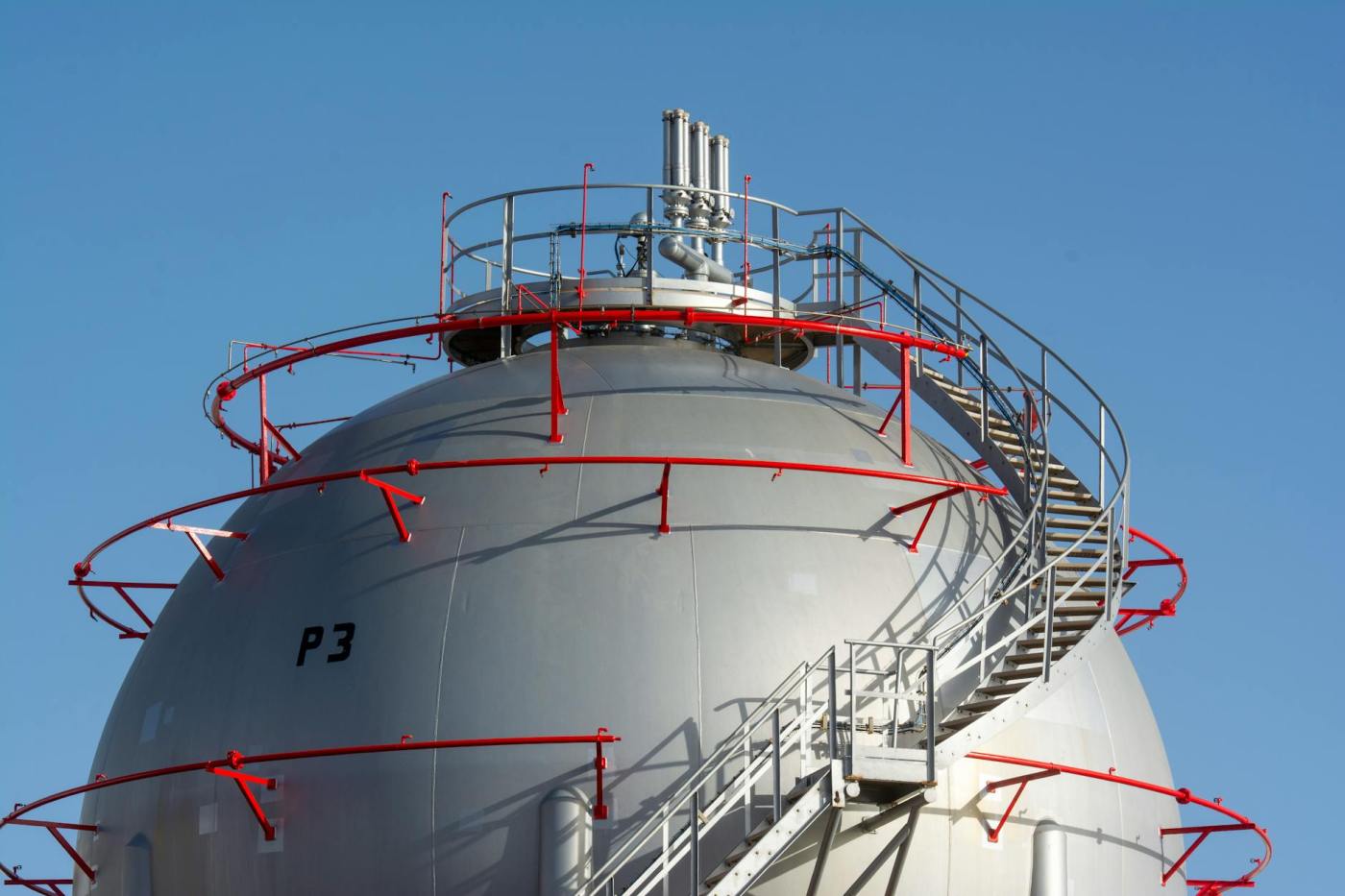
As the world shifts away from fossil fuels, Bio-CNG (Compressed Biogas) has emerged as a powerhouse in the “Waste-to-Wealth” sector. It is a purified form of biogas produced from organic waste, such as cow dung, agricultural residue, and kitchen waste, that serves as a sustainable alternative to petrol and diesel [01:13].
How the Process Works
Starting a Bio-CNG plant involves a systematic conversion process:
- Collection & Mixing: Raw materials like animal waste or food scraps are collected and mixed in a mixing tank [02:10].
- Digestion: The slurry is fed into an Anaerobic Digester, where natural bacteria break down the organic matter to produce biogas [02:23].
- Purification: Using PSA Technology or water scrubbers, impurities like CO2 and Nitrogen are removed to isolate pure Methane [02:32].
- Compression: The final Bio-CNG is compressed and filled into cascades for distribution to vehicles or industrial units [02:46].
Business Essentials
- Infrastructure: You typically need 3 to 4 acres of land and a power connection of 100-125 kW [03:36].
- Investment: Setting up a plant requires an initial investment of approximately ₹2.25 to ₹3 Crores, with expected profit margins of 10-15% [04:06].
- Workforce: A team of 15 to 20 people is generally required to manage operations [03:45].
Next Steps & Resources
If you are ready to explore this further, here are the essential links and regulatory steps:
- Registration: Apply for GST and Udyam Registration to formalize your business [04:34].
- Compliance: You must obtain clearances from the Pollution Control Board and the PESO (Petroleum and Explosives Safety Organization) [04:41].
- Support: Visit the Institute for Industrial Development (IID) for detailed project reports and consultancy [05:07].
- Government Schemes: Explore the SATAT scheme (Sustainable Alternative Towards Affordable Transportation) for subsidies and government backing in India.
Bio-CNG not only cleans the environment but also boosts the local economy by generating employment [02:03].
It’s a win-win for both the planet and your portfolio.


Leave a Reply