
Introduction
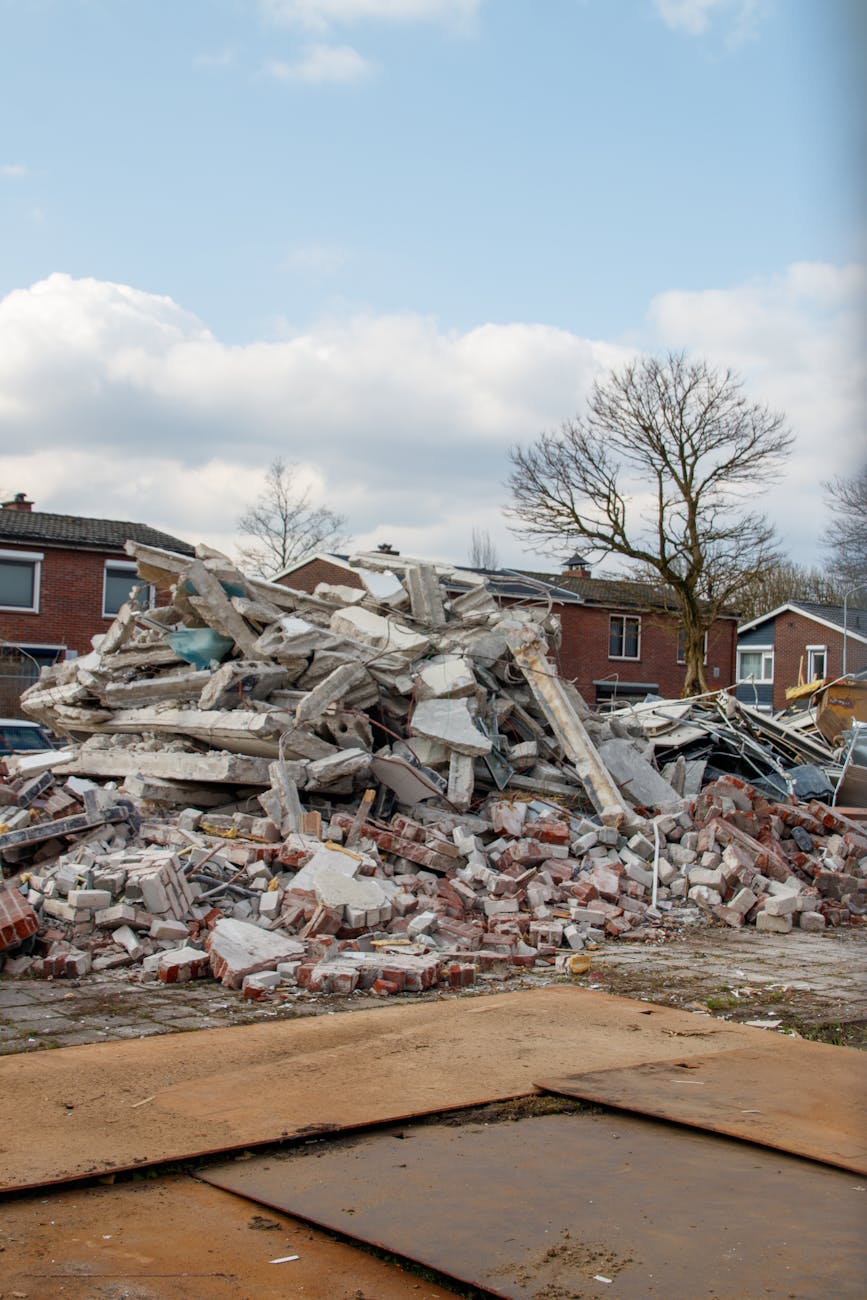
Construction and debris waste, often called C&D waste, refers to the materials generated during construction, renovation, demolition, and repair activities. It includes concrete, bricks, wood, metal, glass, plaster, asphalt, tiles, and soil. With rapid urbanisation and infrastructure growth, cities are producing massive amounts of such waste every day.
A large portion of this waste is still dumped in open landfills, riverbanks, or vacant plots. However, many of these materials can actually be reused or recycled into new construction inputs. If managed properly, construction waste can become a valuable resource instead of an environmental burden.
What Are the Issues Linked to Recycling?
One of the biggest challenges is the poor segregation of waste at the source. Materials like concrete, wood, metal, and plastic often get mixed together, making recycling difficult and expensive.
Another issue is the lack of awareness and accountability among contractors and builders. In many projects, waste management is treated as an afterthought rather than part of the construction process.
Transportation and logistics also create barriers. Construction debris is bulky and heavy, which increases the cost of collection and movement to recycling facilities. Additionally, many cities still lack enough recycling plants or proper processing infrastructure.
There is also hesitation in using recycled construction products because some buyers believe recycled materials are inferior in quality. This limits market demand and slows the circular economy journey.
What Recycling Methodology Can Lead to a Stable Circular Journey?
The first step is source segregation at construction sites. Separating concrete, metals, wood, and plastics can significantly improve recycling efficiency.
Concrete and bricks can be crushed and converted into aggregates for roads, pavements, and non-structural construction work. Metals can be melted and reused multiple times without losing quality. Wood waste can be processed into boards, furniture inputs, or biomass fuel.
Digital waste tracking, mandatory recycling targets, and incentives for green buildings can further strengthen the ecosystem. Local governments, recyclers, builders, and consumers must work together to create a stable demand for recycled construction materials.
Conclusion
Construction and debris waste is not just a disposal problem, but it is a resource management opportunity.
With proper segregation, recycling infrastructure, and market acceptance, cities can reduce landfill pressure, conserve natural resources, and move towards a more circular and sustainable construction industry.


Leave a Reply