
Introduction
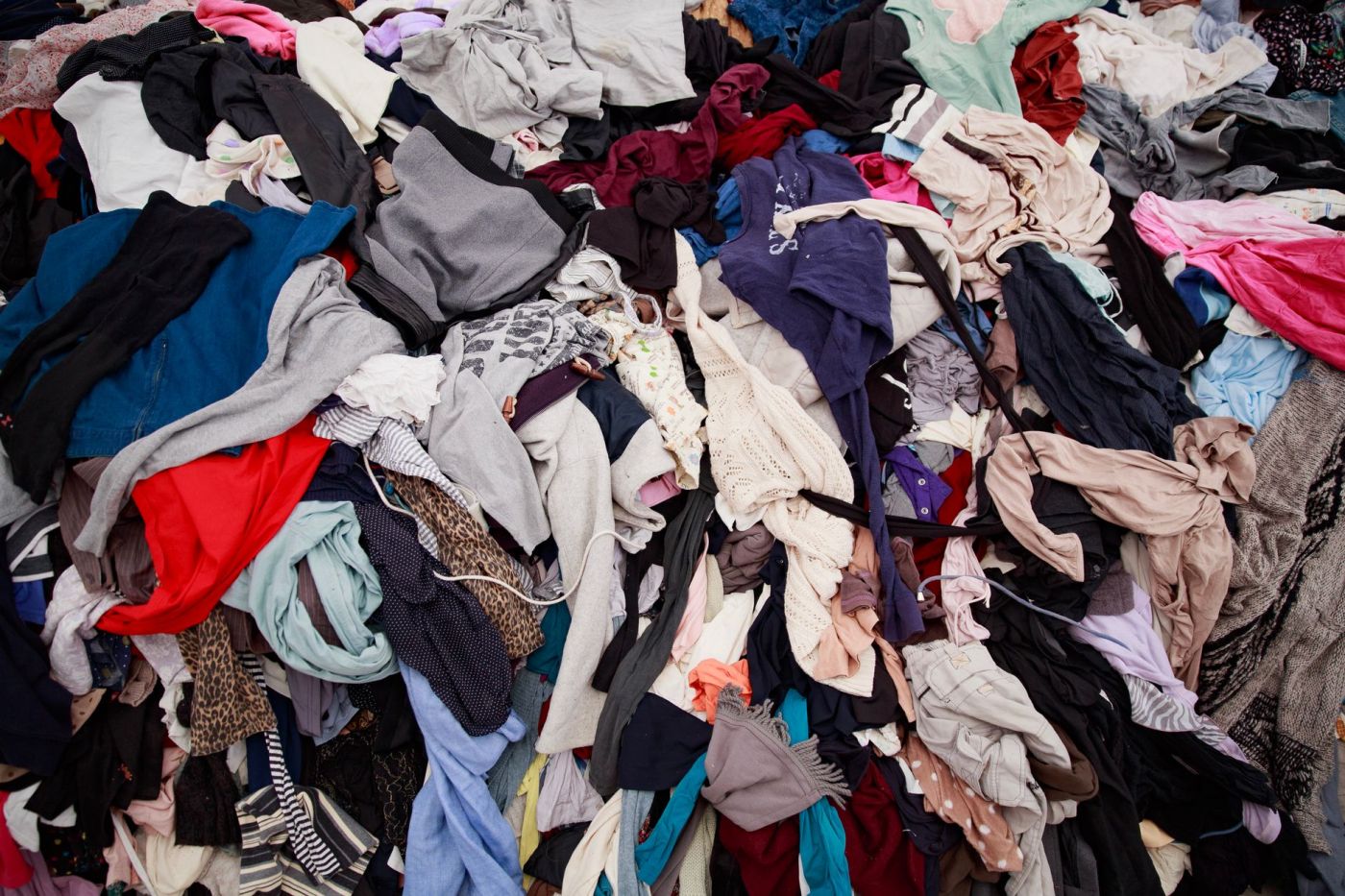
India’s textile and apparel industry generates enormous quantities of waste from manufacturing scraps, rejected garments, used clothing and fast-fashion consumption. Unlike single-material waste streams such as PET bottles, textile waste is highly complex because modern garments combine multiple fibres, dyes, coatings and accessories. Cotton, polyester, nylon, PU coatings, spandex, rayon, elastane and blended fabrics often exist together, making recycling difficult.
The biggest challenge is not the availability of waste but creating a consistent, economically viable feedstock for recycling.
Why Textile Recycling Is Difficult
Different textile materials require different recycling pathways:
Cotton and natural fibres:
Cotton can be mechanically shredded and converted into recycled fibres. However, repeated recycling reduces fibre length and strength, often requiring blending with virgin fibres.
Polyester (PET):
Polyester is one of the easiest fibres to recycle. Mechanical recycling can convert polyester waste into fibres, while chemical recycling can break it back into raw materials for new polyester production.
Nylon:
Nylon recycling is technically possible through chemical processes, but collection volumes and segregation challenges limit commercial adoption.
Spandex/Elastane:
Spandex provides stretch but creates major recycling problems because even small quantities can affect fibre recovery processes.
PU-coated fabrics and synthetic leather:
Common in fashion accessories and performance wear, these materials are difficult to separate from base fabrics and usually end up in downcycled applications.
Most Practical Textile Recycling Models for India
A completely closed-loop “old garment to new garment” system is currently difficult because of mixed materials and high sorting costs. The most practical approaches for India are:
1. Reuse and Repair First
The highest-value pathway is extending garment life through resale, repair, alteration and redistribution. This avoids the energy required for recycling.
2. Mechanical Recycling for Large Waste Streams
Industrial textile waste from garment factories is easier to recycle because it is cleaner and more uniform. Shredding, carding and spinning can convert cotton and polyester waste into yarn, blankets, insulation materials and non-woven products.
3. Regional Textile Recovery Hubs
India’s textile clusters such as Tiruppur, Surat, Panipat and Ahmedabad can develop sorting and recycling hubs where waste is segregated closer to the source. Fashion for Good studies indicate that cotton and polyester blends represent important opportunities for building textile recycling systems in India.
Is Textile Recycling Cost Viable in India?
The answer is yes, but only with the right model.
A nationwide system based purely on collecting household clothing and recycling every fibre is currently not economically viable due to:
- High collection and transportation costs
- Manual sorting requirements
- Mixed-material garments
- Low-value recovered fibres
A cost-effective Indian model would combine:
- Brand-funded collection programmes under sustainability commitments
- Municipal and NGO collection networks
- Automated or AI-assisted sorting in the future
- Mechanical recycling for bulk materials
- Chemical recycling for high-value polyester and nylon streams
Chemical recycling technologies are advancing globally, especially for blended fabrics, but they still require scale and reliable waste supply.
Future of Textile Circularity in India
The long-term solution is designing textiles for recycling. Brands need to move towards:
- Mono-material garments
- Reduced use of mixed fibre blends
- Easy removal of buttons, zippers and coatings
- Digital tracking of fibre composition
India’s informal textile recycling ecosystem already demonstrates economic potential. The opportunity is to upgrade this system with better collection, worker safety, technology and organised markets.
Textile recycling in India will not be solved by one technology. A combination of reuse, mechanical recycling, targeted chemical recycling and better product design will create the most practical circular textile economy.
References for Further Reading
- Fashion for Good – Wealth in Waste Report: https://www.fashionforgood.com/report/wealth-in-waste/
- Circle Economy – Textile Recycling Technologies: https://www.circle-economy.com/
- European Environment Agency – Textiles and Circular Economy: https://www.eea.europa.eu/
- Ellen MacArthur Foundation – Circular Fashion: https://www.ellenmacarthurfoundation.org/topics/fashion/overview
- Recover Textile Systems: https://recoverfiber.com/


This article highlights a crucial issue in the fashion industry—textile waste is such a complex challenge due to the mix of materials in garments. It’s surprising how even materials like spandex can complicate the recycling process, potentially limiting effective solutions. How can we promote awareness about the importance of responsible consumption to mitigate this waste, especially with fast fashion’s growing popularity?
LikeLike