Introduction
Expanded polystyrene (EPS), commonly known as thermocol, is one of the more difficult plastic waste streams to manage economically. The polymer itself is recyclable, but its extremely low density makes collection and transportation expensive. As a result, India’s emerging EPS recycling ecosystem is increasingly focused on densification — converting bulky foam into compact polystyrene blocks, lumps or granules.
Who Is Building EPS Recycling Machines in India?
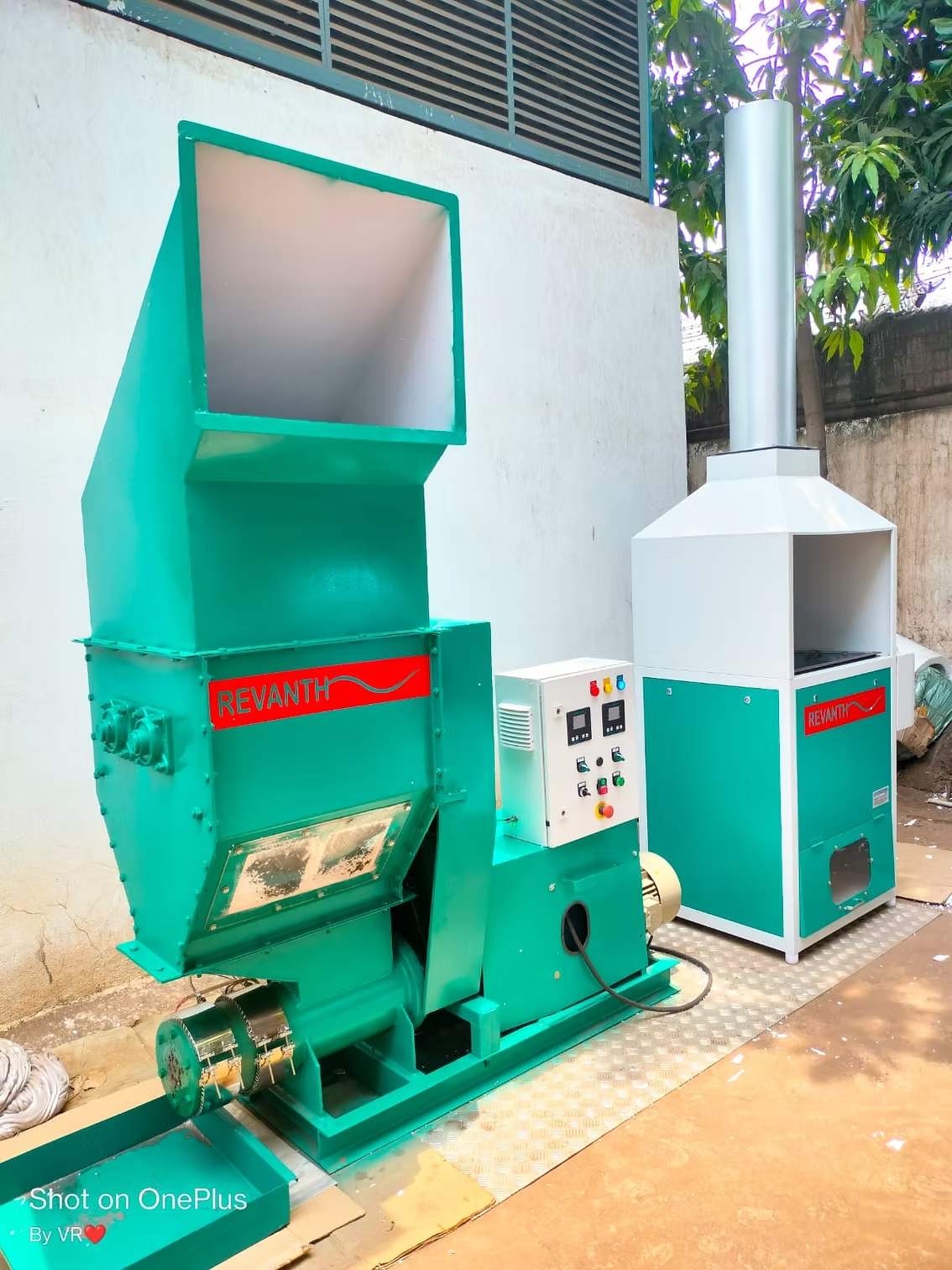
India has a growing ecosystem of machinery manufacturers, particularly around Faridabad, Haryana. Companies such as Laxmi Engineering, DS EPS Machinery, Thermokol India, Vasundhra EPS MKD and Kishor Machinery offer equipment ranging from small 40–100 kg/hour systems to industrial machines exceeding 500 kg/hour.
The business models for most manufacturers vary as follows:
- Sell machinery, leaving the customer responsible for sourcing EPS and finding buyers for the output
- Buy-back and financing arrangements, where processed EPS can potentially be purchased back from the machine operator (Thermokol India promoted)
This is important because the biggest challenge is rarely the machine itself — it is securing consistent feedstock and an assured market for the recycled material.
What Happens to the EPS?
The typical process is:
Collection → Sorting → Cleaning → Shredding → Heating/Densification → Cooling → Sale
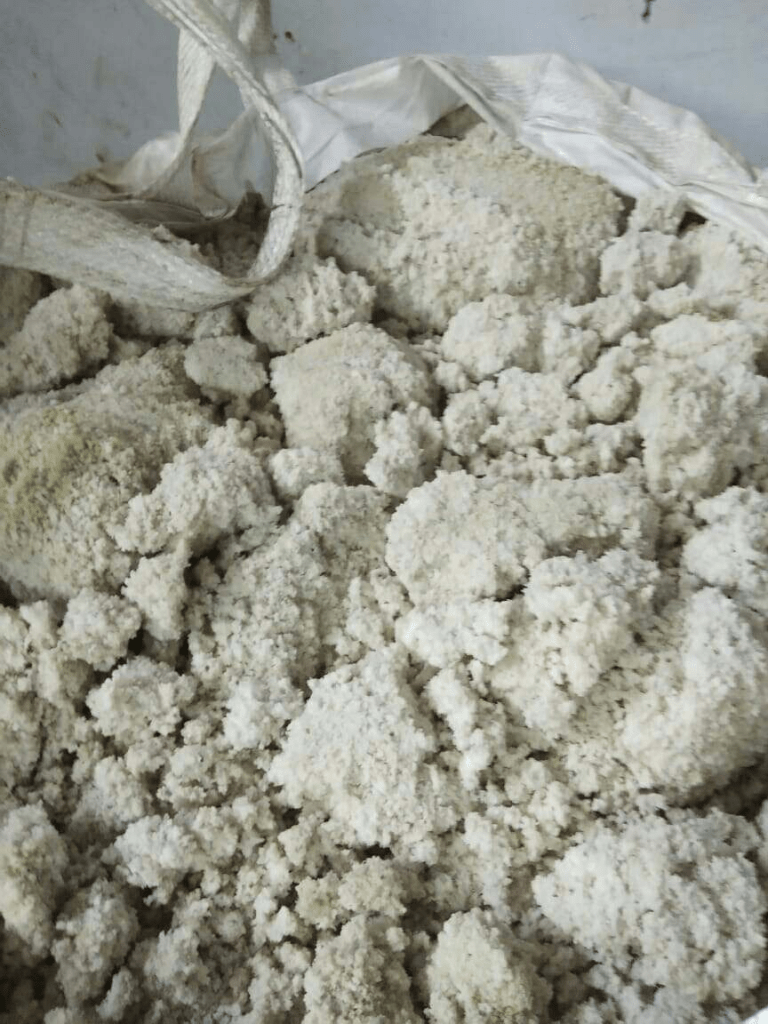
The EPS is first cleaned and shredded. It is then heated, causing the cellular structure to collapse while mechanical compression removes the trapped air. Industrial processes generally operate at elevated temperatures, with studies reporting approximately 170–200°C for thermal densification.
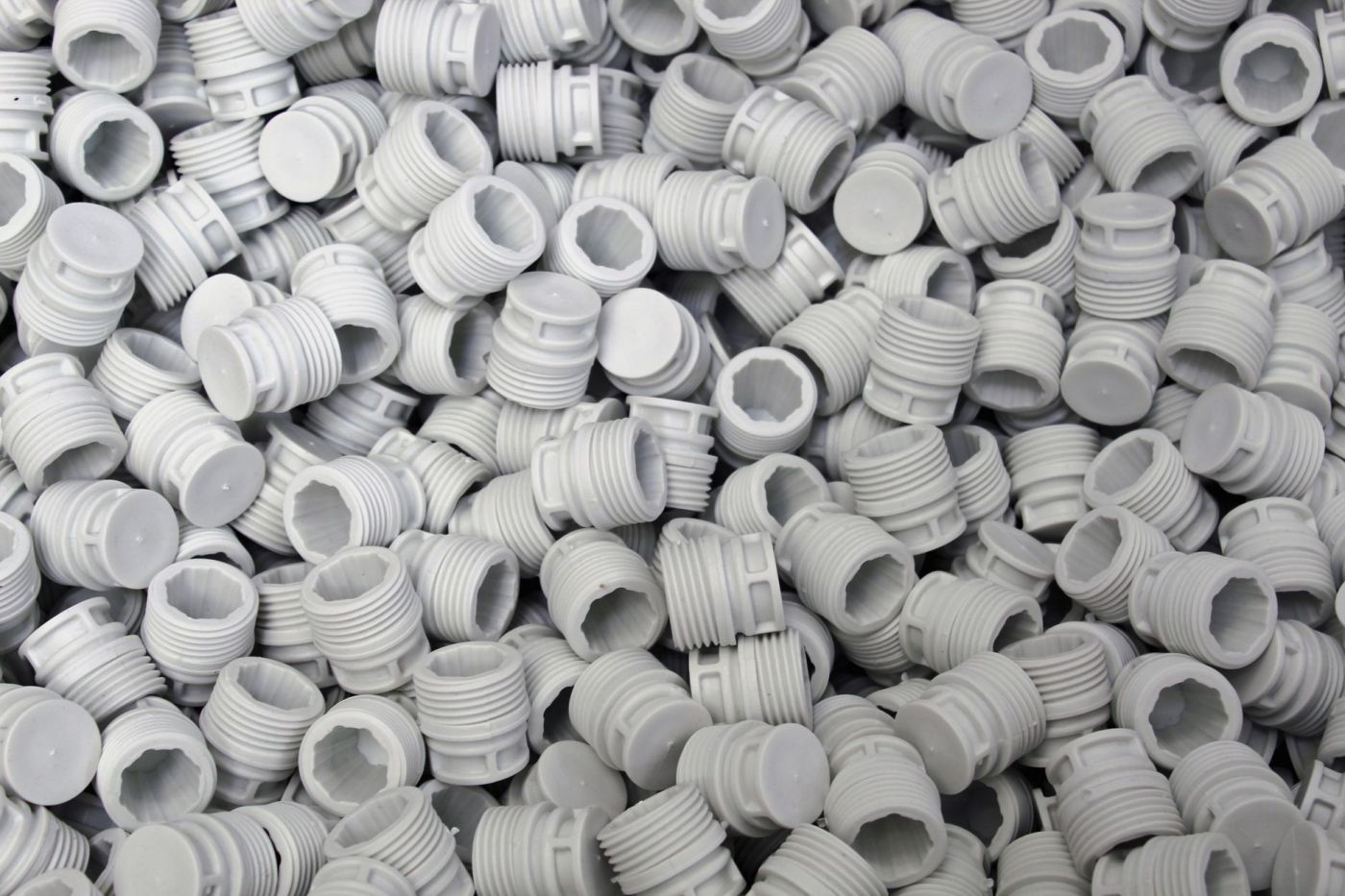
The resulting dense material can be sold as PS lumps/gatta, further processed into granules, or used directly in manufacturing.
Where Can the Output Go?
Densified EPS can become a secondary raw material for products such as:
- Picture frames and profiles
- Moulded plastic products
- Hangers and furniture components
- Insulation-related products
- Sheets and boards
- Other non-food applications
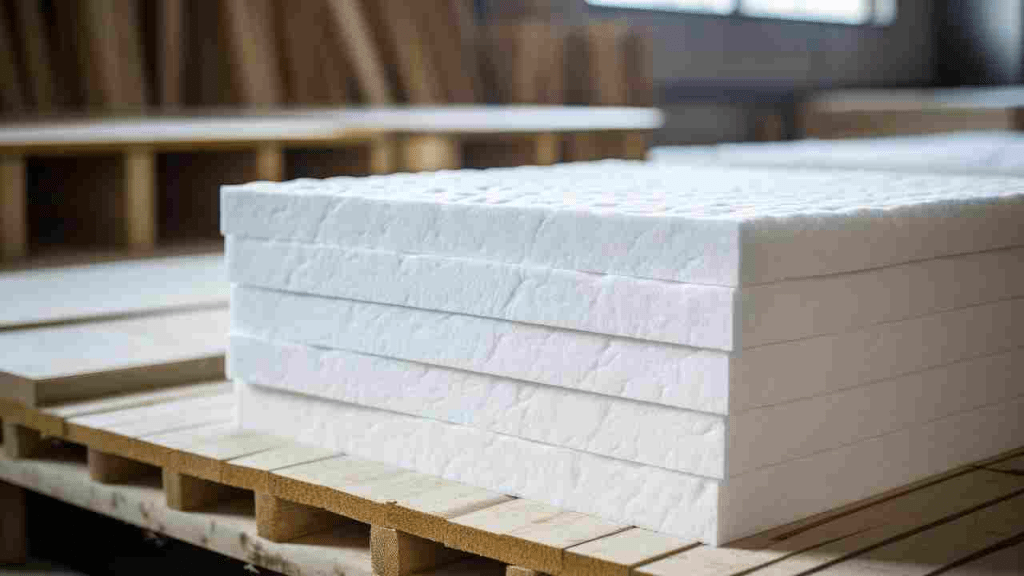
A more advanced route is extrusion and pelletisation to produce recycled PS granules. However, this requires cleaner and more consistent feedstock.
The Emerging MRF Opportunity
Projects in places such as Ganjam, Ranchi and Bastar have demonstrated the possibility of installing EPS recycling equipment within Material Recovery Facilities. This model is attractive because collection, sorting, labour and other infrastructure already exist.
The key lesson is simple: EPS recycling works best when the machine is located close to a concentrated source of waste.
Instead of transporting trucks full of air, India can develop regional EPS aggregation and densification hubs that convert a bulky waste stream into a commercially transportable secondary material.


Leave a comment