Introduction
Lithium-ion batteries dominate electric vehicles, consumer electronics and energy storage because they combine relatively high energy density with mature manufacturing and supply chains. But rising battery demand has increased interest in alternatives that can reduce dependence on lithium and other critical materials.
Sodium-ion batteries are one such alternative. Sodium is abundant and widely available, potentially offering a more diversified and cost-effective battery supply chain. However, sodium-ion is not simply a drop-in replacement for lithium-ion. Its lower energy density can mean heavier or larger battery packs for the same amount of stored energy.
How Does a Sodium-Ion Battery Work?
The basic principle is similar to a lithium-ion battery. During charging and discharging, ions move between the cathode and anode through an electrolyte.
The difference is the ion involved: sodium ions replace lithium ions.
This change affects the battery’s size, weight, voltage and energy density. Sodium-ion cells can also use aluminium current collectors, potentially reducing reliance on more expensive materials used in conventional lithium-ion systems.
The New Breakthrough: Measuring Interchangeability
The Interesting Engineering article highlights work by researchers at Southwest Research Institute (SwRI), who developed an Electrical Interchangeability Index (EII).
Instead of asking whether sodium-ion and lithium-ion batteries have identical specifications, the EII asks a more practical question:
Can both batteries perform the same job under the same operating conditions?
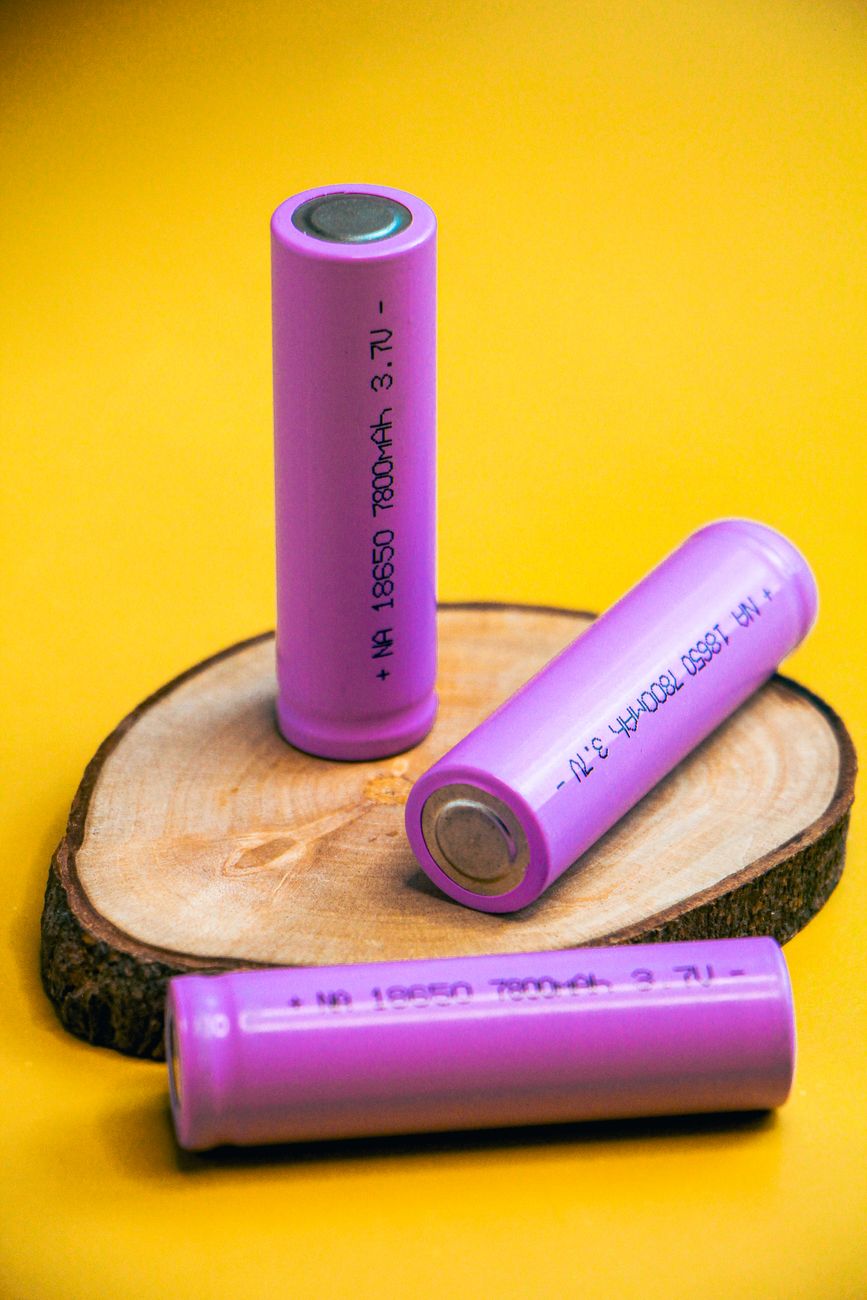
Researchers tested sodium-ion cells against 18650-format lithium-ion cells across different charging, discharging, power and voltage conditions. They identified operating regions where the two technologies demonstrated strong functional equivalence, as well as regions where substitution would not be appropriate.
Where Could Sodium-Ion Make Sense?
The technology could be particularly relevant for stationary energy storage, affordable EVs, two- and three-wheelers, commercial vehicles and hybrid battery systems, where maximum energy density may be less important.
Sodium-ion also has potential advantages in cold-weather performance. The International Energy Agency notes that sodium-ion batteries are already being considered for applications where their characteristics complement lithium-ion technology.
Why Lithium-Ion Is Not Going Away
Sodium-ion still faces significant challenges. The IEA estimates that leading sodium-ion cells currently reach around 175 Wh/kg, compared with up to approximately 205 Wh/kg for LFP and 255 Wh/kg for some NMC lithium-ion cells. Manufacturing capacity and supply chains are also far more developed for lithium-ion.
Therefore, the future is unlikely to be simply sodium replacing lithium. It may instead be a multi-chemistry battery market, with different technologies serving different applications.
The Bigger Picture
The importance of the SwRI research is that it provides manufacturers with a framework to determine where sodium-ion can actually substitute for lithium-ion without unnecessarily redesigning an entire system. The EII could support battery technology selection, second-source qualification and hybrid battery development.
Sodium-ion is therefore less about ending the lithium-ion era and more about adding another battery chemistry to the energy-storage toolkit.


Leave a Reply