
Introduction
RUCO or Re-purpose Used Cooking Oil, is an initiative launched by the Food Safety and Standards Authority of India (FSSAI) in 2018.
Its objective is to prevent repeatedly used cooking oil from re-entering the food chain and instead channel it towards productive uses such as biodiesel and soap manufacturing.
Why Used Cooking Oil is a Problem
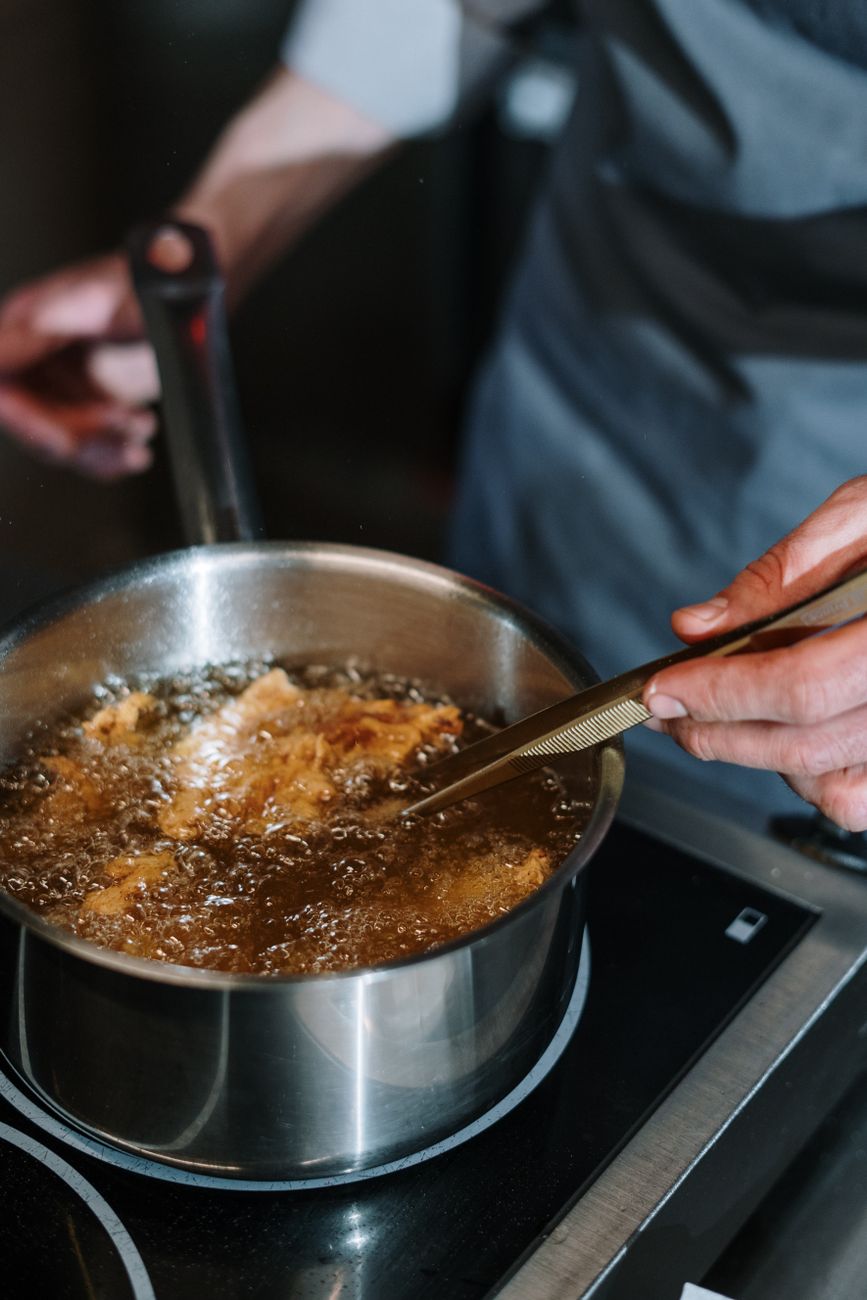
Repeatedly heating cooking oil changes its chemical properties and increases Total Polar Compounds (TPCs).
FSSAI has set 25% TPC as the maximum limit for used cooking oil. Oil exceeding this limit should not be used for cooking.
Improper disposal is another concern. Pouring used oil into drains can contribute to blockages and wastewater problems. RUCO therefore aims to create a formal collection and reuse pathway.
How RUCO Works
The model is relatively simple:
Food businesses → UCO aggregators → Biodiesel/soap manufacturers → End-use
Restaurants, hotels, canteens and other food businesses can store their used cooking oil separately.
Authorised aggregators collect it and transfer it to biodiesel or other manufacturers. This helps ensure that used oil does not return to the food chain.
From Waste to Fuel
Used cooking oil can serve as a feedstock for biodiesel, creating a link between food safety, waste management and renewable energy.
As of July 2025, the Government reported that more than 55 lakh litres of used cooking oil had been collected under RUCO, with over 39 lakh litres converted into biodiesel.
The programme also had 53 enrolled biodiesel manufacturers and 12 soap manufacturers.
Why RUCO Matters
RUCO demonstrates how a waste stream can be converted into an economic resource.
It can simultaneously support food safety, waste reduction, resource recovery and alternative fuel production.
The larger opportunity is to build stronger collection networks so that more used cooking oil is formally captured rather than being discarded or potentially diverted back into the food chain.


Leave a Reply