Introduction
Plastic packaging is deeply embedded in the consumer-goods industry, but growing concerns about plastic waste are pushing companies to explore alternatives.
One of the most interesting developments is the paper bottle, and companies such as Diageo, PepsiCo and Unilever are investing in technologies that could make it commercially viable.
What Is a Paper Bottle?
A paper bottle is not simply a conventional paper container.
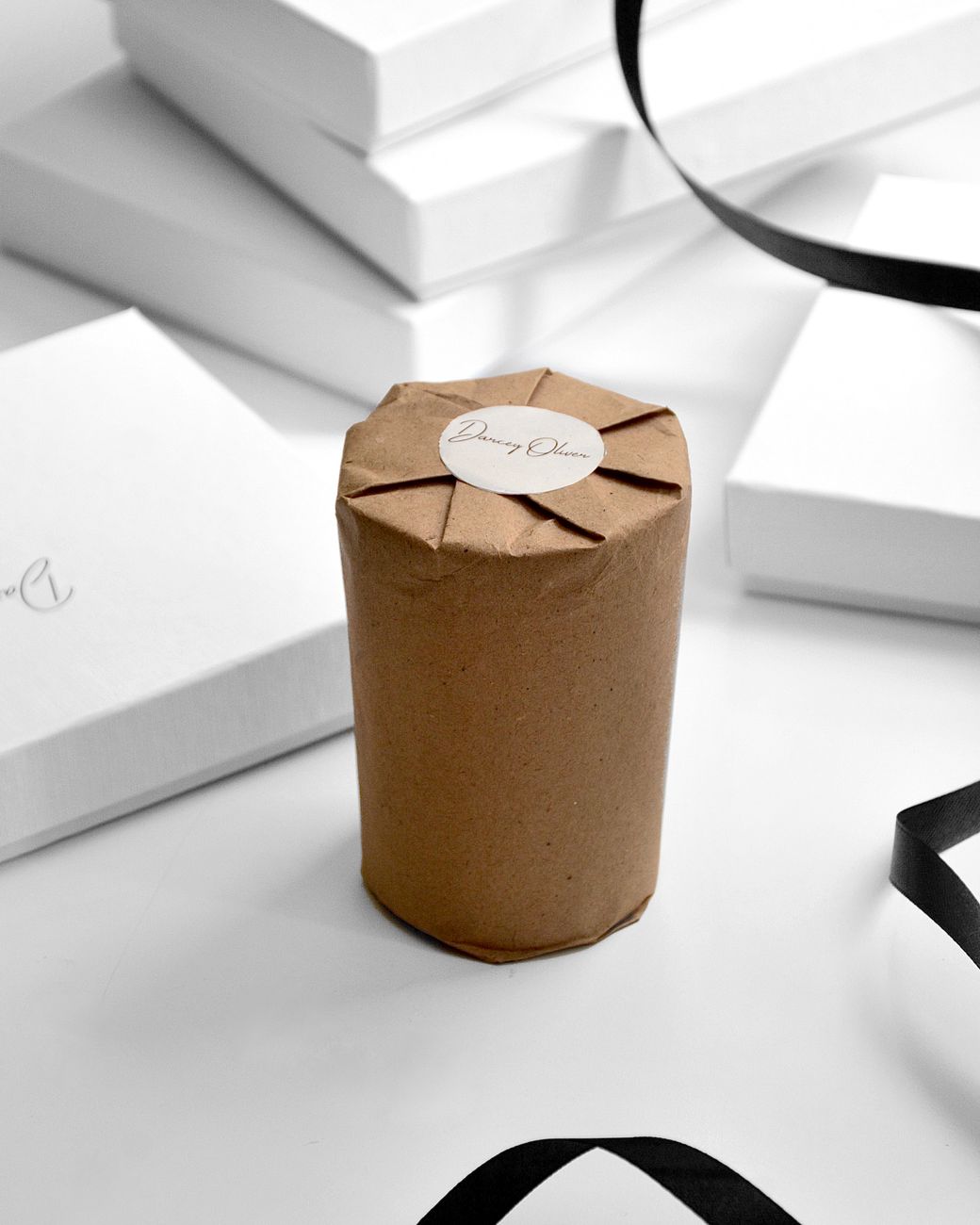
It uses moulded fibre to create the bottle structure, combined with specialised barrier technologies to prevent liquids from leaking into the paper.
Pulpex, a packaging technology company created by Diageo and Pilot Lite, has developed a paper-bottle platform using moulded fibre.
PepsiCo and Unilever were among the major companies that joined its consortium to develop the technology.
Why Replace Plastic or Glass?
Paper has some potential advantages. Fibre-based bottles can be lighter than glass, potentially reducing transportation weight and breakage. They could also reduce dependence on virgin plastic in applications where paper-based packaging can deliver the required protection.
For example: Diageo is testing 70cl Johnnie Walker paper-based bottle produced a package approximately 60% lighter than its glass equivalent, with an initial lifecycle assessment indicating up to 47% lower potential carbon emissions for the prototype.
The Technology Challenge
Replacing plastic isn’t as simple as replacing one material with another.
Paper is naturally porous and has weaker barrier properties. Packaging therefore needs to protect the product from moisture, oxygen, grease and contamination, while also maintaining shelf life.
This is particularly difficult for liquid products. Some paper-based bottles therefore still require a thin plastic liner or coating, meaning the packaging may not be completely plastic-free.
PepsiCo itself has noted that challenges such as product shelf life remain technically complex.
From Pilot Projects to Mass Production
The next challenge is scale. Pulpex is developing commercial manufacturing and licensing models, while the wider packaging industry is investing in fibre-based technologies.
The movement is also extending beyond bottles. In September 2026, the PaperFlex Consortium, involving PepsiCo, Unilever and other major consumer-goods companies, was launched to accelerate recyclable and biodegradable paper-based flexible packaging.
Is Paper Automatically More Sustainable?
Not necessarily.
The environmental performance of packaging depends on its entire lifecycle: raw materials, manufacturing, transportation, product protection, reuse or recycling and end-of-life management.
A paper package that contains plastic layers may have different recycling characteristics from a genuinely fibre-based package. Similarly, increased demand for fibre requires responsible sourcing of raw materials.
The real objective should therefore be lower-impact packaging that works within existing or emerging waste-management systems, rather than simply replacing “plastic” with “paper.”
What This Means for the Packaging Industry
The shift towards paper bottles signals a broader change: packaging companies are moving from a single-material mindset to materials engineering.
The future could involve a combination of paper, recycled plastics, bio-based materials, advanced coatings, reuse and refill systems, with the appropriate solution depending on the product and geography.
For India, this trend could create opportunities for fibre-based packaging manufacturing, recycled-material supply chains, sustainable coatings and new recycling infrastructure.
Further Reading
- Barron’s – Paper Bottles Are Coming to Store Shelves
- Diageo – Paper-Based Bottle Initiative
- PepsiCo – Packaging
- Unilever – Plastics and Packaging
- Ellen MacArthur Foundation – PaperFlex Consortium


Leave a Reply